

Your daily habits could be wrecking your mental health.
Here’s how to fix them
The way you start and structure your day plays a huge role in your mental wellbeing. Small, seemingly harmless habits - like checking your phone first thing or skipping breakfast - can set off a chain reaction that affects your mood, energy, and stress levels.
Circadian rhythm disruption can worsen PMOS symptoms due to its role in hormone regulation and overall metabolic health. Specifically, disruptions in circadian rhythms can affect hormones like cortisol, melatonin, and those related to reproduction (LH and testosterone), which are already often elevated in PMOS. Maintaining a regular sleep-wake cycle and healthy circadian rhythm can help manage PMOS symptoms by improving hormone balance and potentially reducing insulin resistance.
The good news is that you don’t need to overhaul your entire life to see improvements. Simple, strategic tweaks can have a big impact, helping you feel calmer, more in control, and more resilient to daily stress.
The stress loop - how modern life is making you more anxious
For many people, stress feels like a normal part of life. But modern habits are keeping stress levels high, even when there’s no immediate reason to feel anxious.
Cortisol, the body’s main stress hormone, follows a daily rhythm, naturally rising in the morning and tapering off at night. But common lifestyle choices - poor sleep, irregular eating, excessive screen time - disrupt this rhythm, leading to chronic stress and low resilience.
Erratic blood sugar levels can also play a role. When meals are skipped or loaded with refined carbs, blood sugar spikes and crashes, triggering cortisol release and creating a cycle of energy dips, cravings, and mood swings.
Breaking free from this loop means taking a closer look at your own daily habits and making small but powerful adjustments.
How your morning routine could be ruining your mood
Morning habits set the tone for the entire day. Some of the most common ones can actually increase stress levels, making it harder to stay focused, productive, and emotionally balanced.
Phone before food - scrolling through emails or social media first thing in the morning spikes cortisol, putting the body into stress mode before the day has even begun.
Caffeine on an empty stomach - coffee first thing might feel like a quick energy boost, but without food, it can cause a blood sugar crash later in the morning, affecting mood and focus.
Skipping protein at breakfast - protein provides the building blocks for neurotransmitters like dopamine and serotonin. A low-protein breakfast (or skipping breakfast entirely) can leave you feeling sluggish and irritable.
Lack of daylight exposure - natural light helps regulate the body’s internal clock and supports serotonin production, essential for mood and sleep. Spending the first hours of the day indoors can throw off this natural balance.
Making simple changes to the morning routine can help stabilise energy, improve focus, and set the stage for a calmer, more productive day.
5 daily habits that will boost your brain and lift your mood
Get light before screens - exposure to natural light in the morning helps regulate cortisol and serotonin levels. Stepping outside for five to ten minutes shortly after waking can improve mood, energy, and sleep quality. If you have time for a walk, that’s great. Even sitting outside with your morning cuppa will work.
Eat within an hour of waking - a balanced breakfast with protein, healthy fats, and fibre helps keep blood sugar steady, reducing mid-morning energy crashes and irritability. The stress hormone cortisol is naturally higher in the morning. Extending a fast until later in the morning – particularly if you’re already stressed – will cancel any positive gains you think you’re getting.
Move more, but gently - exercise is beneficial for mental health, but intense workouts can raise cortisol levels if the body is already under stress. Low-impact movement, like walking or stretching, can be a better choice for stress resilience.
Prioritise protein and healthy fats - protein-rich foods help produce two of the important brain chemicals that support mental wellbeing, dopamine and serotonin, while healthy fats support brain health and inflammation control. Good choices include eggs, nuts, seeds, oily fish, and avocado.
Set a wind-down boundary - evening habits influence how well the body handles stress the next day. Limiting screen time, dimming lights in the evening, and avoiding late-night work can support better sleep and stress regulation.
Small changes, big impact
Improving mental wellbeing doesn’t require a complete lifestyle overhaul. Focusing on small, sustainable habit shifts, such as getting more natural light, stabilising blood sugar, and setting healthy boundaries with screens, can make a noticeable difference in how you feel.
Trying just one of these habits for a week can be enough to see positive changes. The key is consistency over perfection. Making small but intentional choices each day can help break the stress cycle, improve resilience, and support long-term mental wellbeing.
So where will you start? What jumps out at you. And if you would like to talk more, don't hesitate to book in a free call with me here.

Grilled Salmon with Spiced Carrot and Sweet Potato Mash
This is a great way to include oily fish into your diet. Salmon is high in Omega 3 fats, which are essential for brain health and helping to improve mood.
Ingredients:
2 large carrots, sliced
1 large sweet potato, sliced
200g green beans, trimmed
½ sweetheart cabbage, chopped
½ bag kale, destalked and roughly chopped
4 salmon fillets
½ tsp mixed spice
Sea salt & black pepper
Lemon wedges, to serve
Method:

Good health begins as a thought
Achieving long-term health and energy is a balancing act. Quite simply, what you put into your mind may have as much of an impact as the food and supplements you feed your body.
Many studies have been conducted on the mind-body connection. What we know for sure is that a positive attitude works – when we remember to nurture it.
Wholesome food, avoiding sugar and toxins are obvious tools for great health but how should you deal with the consequences of negative thinking and stress?
Experts rate exercise, sufficient sleep, controlling negative thoughts and building a strong social support as some of the best ways to decrease stress and boost immunity – so paying attention to your feelings and needs is as vital as drinking enough water and avoiding junk food.
Winning ways to promote good mind-body health
1. EXERCISE
The release of endorphins during exercise promotes a sense of wellbeing, which has the added benefit of boosting your immune system.
During exercise, the lymphatic system – a network of tissues and organs that helps your body to eliminate toxins and waste – is mobilised. Its main role is to transport lymph fluid, which contains infection-fighting white blood cells. Unlike the blood, which is transported by the heart, lymph fluid only moves if you do.
A recent study from a North Carolina university showed that people who exercised for five or more days weekly experienced 43% fewer days of upper respiratory infections.
Walking, running or any other muscle-moving activity also dramatically reduces stress by ‘working off steam’ when you are upset or angry. With the release of endorphins, your body receives a natural mood boost, resulting in reduced stress levels, which in turn puts less pressure on your immune system.
2. GET ENOUGH SLEEP
According to an American Psychological Association study, stress is what keeps more than 40% of adults awake at night.
To aim for the recommended seven to eight hours of sleep per night, avoid caffeine, digital screens and try to turn in at the same time each evening.
3. FOCUS ON SELF-CARE
Make an effort to do something nice for yourself every day. Neglecting your own needs adds unnecessary stress to the system, resulting in increased vulnerability to illness.
Women, in particular, tend to put their own needs last, especially if they’re caring for children and/or elderly parents. If you battle with guilt when you take an hour off to read, go for a manicure or have a coffee with a friend, remind yourself that if your bucket is empty, you’ll have nothing left to give anyone else. Simple, but effective.
4. MINDFULNESS
You cut in half the chances of catching a cold by meditating. A University of Wisconsin study showed that people who practised mindfulness – a type of meditation or mental state achieved by focusing your awareness on the present moment, while accepting feelings, thoughts and bodily sensations – noted 13 fewer illnesses and took 51 fewer sick days. Researchers concluded that this reduced the physical effects of stress, which is known to weaken the immune system.
5 IT TAKES A VILLAGE…
Building strong social connections has proven psychological and physiological benefits. Whether you are an introvert or extrovert, having a ‘support group’ – no matter how big or small – boosts immunity by creating ‘stress buffers’.
Being able to share stress or concerns with close family or friends provides an opportunity for outside support and advice, which alleviates a sense of being alone in your situation.
“When we get too caught up in the busyness of the world, we lose connection with one another – and ourselves.” – Jack Kornfield, American author and Buddhist mindfulness pioneer.

Superboost Sesame Salad
A quick and easy fibre-filled salad just perfect for weekday lunches, and perfect for feeding your friendly bacteria!
Serves 2
Ingredients:
1 x 400g can of chickpeas, rinsed and drained
2 celery sticks, finely chopped
6 pieces of marinated artichoke hearts, roughly chopped
6 spring onions, finely chopped
1 tbsp sesame seeds
1 tsp toasted sesame oil
½ lemon, juiced
¼ bag watercress
¼ bag baby leaf spinach
Handful of basil leaves
Extra virgin olive oil, to drizzle
Extra lemon to serve
Method:
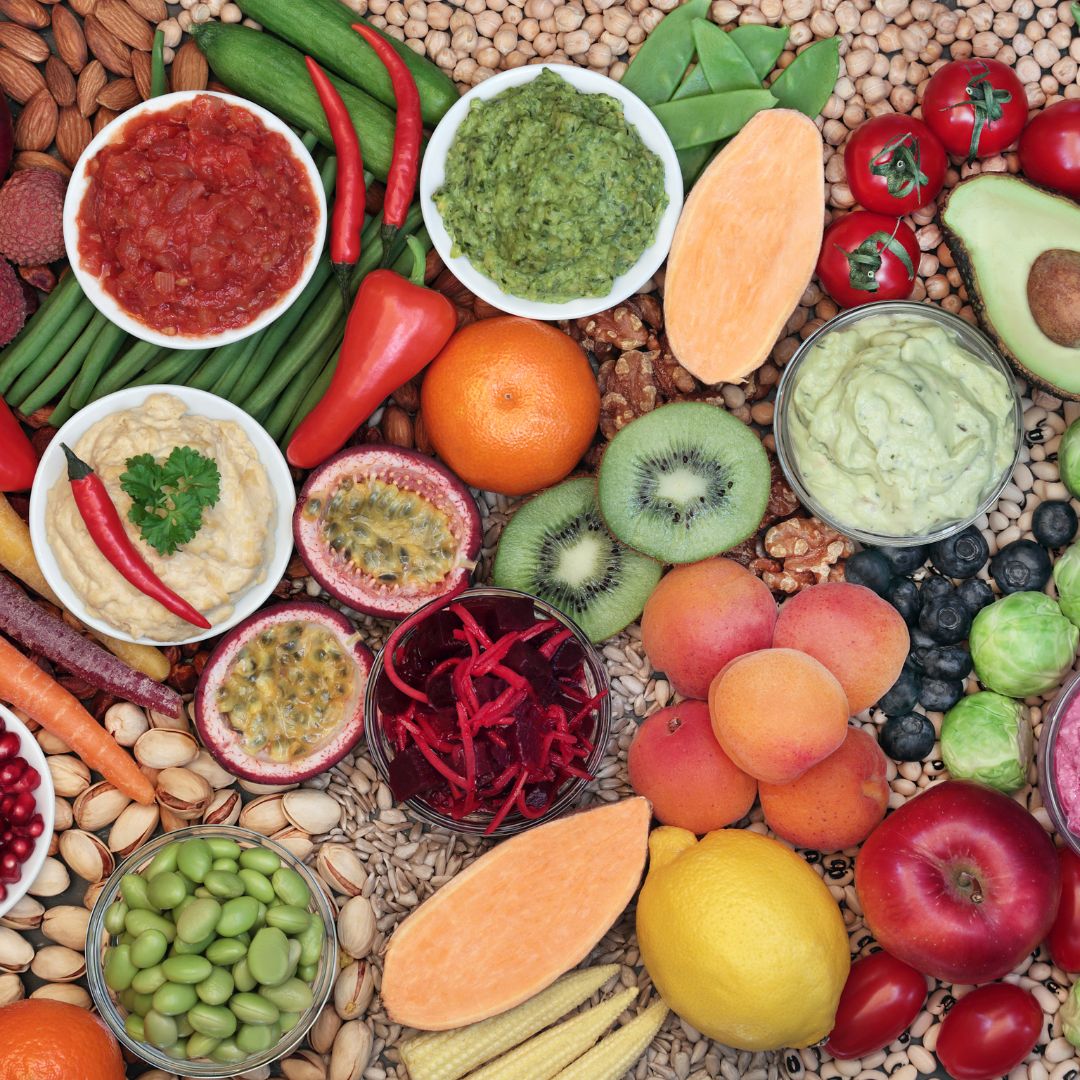
Foods for a Healthy Gut
Some foods are excellent for supporting our digestion and here are some of my favourites that I suggest to clients on a regular basis:
Cruciferous vegetables
These fab veg bring amazing health benefits on a number of different levels. Since we’re talking about foods that are helpful for your digestion, you should know that they contain compounds called glucosinolates, which are fermented by bacteria and used as fuel. They are prebiotic.
Examples include: Bok choy, broccoli, Brussels sprouts, cabbage, cauliflower, kale , rocket, spring greens, watercress.
Fermented foods
Fermented foods have a long tradition in some parts of the world, especially Asia, Africa, and Eastern Europe. Bacteria (and sometimes beneficial yeasts) might be involved in the process and the result is an increase of good bacteria in the foods. You’ve probably heard of live or ‘bio’ yoghurt.
Some of these other probiotic foods might sound peculiar and a little ‘advanced’ for most regular people. However, they are now commonly found on supermarket shelves and, while they might not be the kind of product you would usually go for, it is always worth experimenting. Kimchi, in particular, is often combined with chilli and other flavours and is far tastier than its name might suggest.
Examples include yoghurt, pickles (gherkins), sauerkraut, kimchi (fermented cabbage), tempeh (fermented soya beans), natto (fermented soya beans), miso soup (fermented soya beans), tamari soy sauce, buttermilk, some cheeses like cottage cheese, gouda, mozzarella and cheddar.
Fermented drinks
Like other fermented products, these were once only found in health food shops and were perhaps the prevail of people who ate a very clean and unprocessed diet.
These were a secret waiting for the masses to discover. Often flavoured with fruits, they really are delicious and do not taste 'worthy'. You'll find them in the chilled drinks section in most supermarkets.
Kombucha (fermented tea - sweet and fizzy but without sugar) and kefir (fermented dairy drink very much like a yoghurt drink) are examples.
The only way you’ll know if it’s for you is to try!
Fibre
Fibre is one of the best things to eat to support healthy digestion. Fibre is described as being either insoluble or soluble.
This is part of the plant wall in fruit and veg. It’s indigestible so it passes right through your system, sweeping up toxins and other waste products as it goes, and keeping you regular. The undigested fibre is also fermented by gut bacteria, producing the beneficial short chain fatty acids mentioned earlier.
YOU CAN FIND INSOLUBLE FIBRE IN:
Fruit and veg, beans and lentils, oats and wholegrain foods like brown rice and wheat.
This can be partially digested and is well-celebrated for its ability to reduce cholesterol in the blood and normalise blood sugar levels.
YOU CAN FIND SOLUBLE FIBRE IN:
Oats, veg, fruit (especially apples, pears, berries, and citrus fruits), beans and lentils.
Anti-Microbial Foods
Some foods exert a natural antibiotic or anti-fungal effect and can be useful for keeping nasties like pathogenic bacteria or unwelcome yeasts at bay.
These include caprylic acid found in coconut. Coconut oil is also a very good oil to use in cooking, especially at high temperatures.
Garlic contains the active ingredient allicin, which has historically proven itself to be an effective killer of both bacteria and viruses, making it a great immune-boosting ingredient. Use it raw wherever possible.
Olive oil – the oleic acid has anti-bacterial properties. Use it generously to dress salads and veg.
And we can’t have a list of the foods to add in, without looking at what we need to avoid for a happy tummy:
Sugar and refined carbohydrates
In same way there are things your digestive system loves, there are things it will not love you for. Sugar. That’s the number one thing to avoid, plus anything that contains added sugar.
Other things your tummy is not fond of include highly refined products like white rice, pasta, pastry and snacks like crisps and biscuits.
If you would like to take a look at your gut health – whether you have symptoms or would just like to be optimally well – why not book in a free call? You can book via the link.

Fix Your Digestion Naturally
There are few things worse than tummy troubles. If your digestive system doesn’t work as it should, the result might be pain or discomfort right through to downright embarrassment at the gurgly noises and bad smells your body produces. And this can be doubly annoying if it is also exacerbating your symptoms of IBS.
It doesn’t have to be that way and, as a nutrition practitioner, I am always amazed by how long some of my clients have been trying to muddle through before they seek my help.
What scientists now call the ‘microbiome’ is a parallel universe of all kinds of different microorganisms running all through your digestive tract, that runs from your mouth to… well, the other end.
Most of these organisms are bacteria, and there are lots more of these than there are cells in your body - about ten times as many. The balance of the bacteria in your digestive system has implications for your health in general and not just your innards. In short, it’s important to have the right kinds of bacteria in the right places. It matters that the ratio of good to bad bacteria works – when you’re out of balance (there are more unfavourable bacteria and other microorganisms) nutritionists call this ‘dysbiosis’.
Dysbiosis can result in your digestive system becoming a more favourable environment for yeasts like candida or parasites. There are some places you don’t really want many bacteria, whether good or bad, like in the small intestine. Your body really should do a daily swoosh of all bacteria from the small intestine down to the colon (it's called the Migrating Motor Complex).
There are many reasons why this might happen – like having had food poisoning in the past – and the result is that the bacteria left behind feast on the food you’re eating, causing bloating, wind, feelings of nausea, diarrhoea and constipation (or a combination of the two). Essentially, all those things you might be linking to your irritable bowel syndrome (IBS).
I’m going to be straight with you and say that the ideal situation is that you bring your digestive problems to me, and that we talk about getting to the bottom (excuse the pun) of exactly why your system isn’t working the way it should, and this usually involves some testing. When you’re ready to prioritise your health, you know where I am.
In the meantime, here are my top 5 tips to help to fix your digestion
The first step in the digestive process is often overlooked but it's a really important one. Known as the cephalic phase, it’s triggered when you see or smell food. You are literally whetting your appetite. When you start thinking about the lovely meal you are going to prepare, you are getting your digestive juices flowing. The enzymes in your saliva help you break down your food more easily so, when the time comes, your body is actually ready to start digesting food before you have even cut the first slice – never mind actually putting anything in your mouth.
It may sound an incredibly simple step – and it is – but these days we are often so busy that we don’t make the time to think about our food in this way. If you find you're always eating on the go, throwing a sandwich down your neck at your desk or having a TV dinner, this is a vital step you are missing out on. One trick is to be mindful and try and spend a few minutes thinking about your tasty lunch before you eat it to get the digestive juices going.
Your stomach does not have teeth! Chewing your food is the second phase of digestion, and it’s key when it comes to good gut health. With proper chewing, you are mechanically breaking down the food into smaller pieces, so that there’s a greater surface area and the digestive enzymes can get to work more easily, doing their job. And the bad news?
If you’re not chewing properly, it’s highly likely that you’re not digesting your food properly. And that means you won’t be absorbing vital nutrients either. Not chewing also means the food you eat takes much longer to break down and, as it hangs around in your digestive system, it can start to ferment, causing uncomfortable wind, gas and bloating. Don’t worry about chewing a certain number of times – that all depends on what you are eating and various other factors.
Instead try this test: chew your food enough so that if someone asked you to spit it out, they wouldn’t know what you had been eating. Another sign you need to chew more is if you start to see undigested food in your stools.
Sales for heartburn tablets are skyrocketing because so many people wrongly assume that their digestive troubles are because of too much stomach acid. What nutritionists like me find more frequently in the clinic is the total opposite! Getting older, stress and some over-the-counter medications can make your stomach acid levels drop to the extent that you don’t produce enough to digest food sufficiently.
Why is this important? The stomach acid you produce not only kills any bacteria in the food you are eating, but it also breaks down the protein in your meal. If you’re not properly digesting the protein element in food, it can start to ferment, creating gases that force up the oesophagal sphincter muscle (a type of muscle flap) and what little stomach acid there is can escape. So that burning feeling, especially if accompanied by smelly gas, can be a sign your digestion isn’t working as well as it should be.
One solution is to have a teaspoon of apple cider vinegar before each main meal. It’s important you choose apple cider vinegar with the ‘mother’ rather than one you can buy in the supermarket (that’s for your chips).
There are people who genuinely produce too much stomach acid and, if you try the apple cider vinegar trick and it seems to make things worse, you can neutralise the acid by taking a little bicarbonate of soda.
Digestive enzymes break down your food into nutrients so your body can absorb them. But as you age, you naturally produce fewer of these helpful enzymes. You can counteract this by increasing your intake of foods that are higher in them – eating pineapple or papaya before a meal can help.
If you aren’t a fan of these fruits, instead try a digestive enzyme capsule (available from health food shops), which will give your system a gentle boost to help it do its job properly.
Not eating is almost as important for your health as eating. It’s important to space out your meals so the digestive system actually gets a chance to rest. This might require some self-discipline if you’re a frequent grazer.
Eating every 4-6 hours is a good benchmark to aim for and gives the body enough time to completely digest the previous meal and have a break before you put it to work again.
Of course, there will be days when your eating routine falls out of whack, but don’t beat yourself up. Just try and get back on track the following day.
And if you would like some help working out *why* you have these symptoms, why not get in touch? You can book a free call here.








For any conditions other than PMOS, please feel free to be in touch with our sister clinic Alex Allan Nutrion
PMOS Clinics is part of the Green Leaf Company (London) Ltd, a limited company registered in England and Wales. Registered number: 10990293
Disclaimer: ‘Please note that nutritional therapy is not medical advice - this should always be sought from your doctor or other medical provider. We aim to work alongside your doctor or GP to provide nutritional and lifestyle advice to support any underlying imbalances.'
Website by Phuse Media - Web Design Southend
