
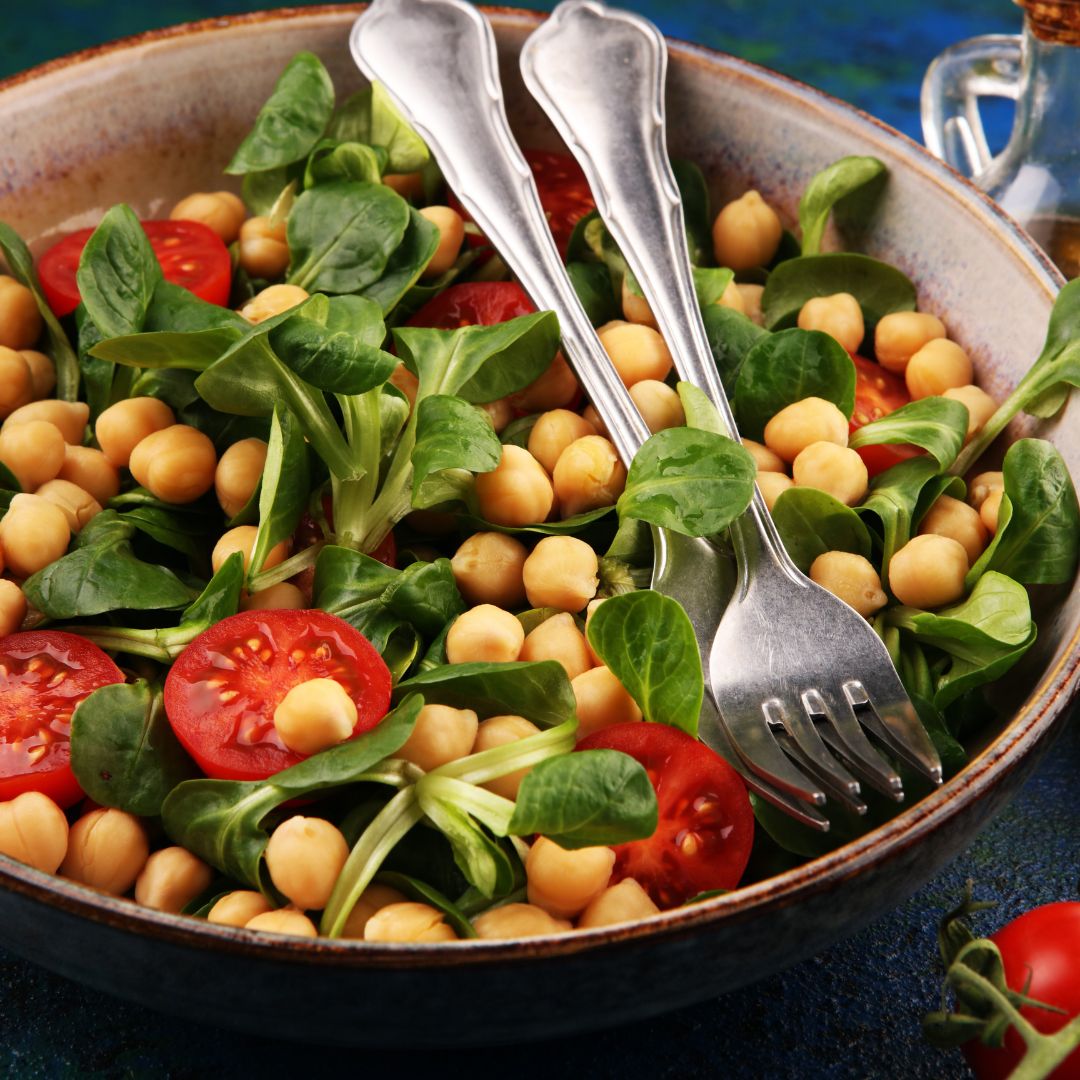
How to Build Meals That Actually Keep You Full
If you have PMOS, previously known as PCOS, and your meals never quite seem to hit the spot, the usual advice is to eat less and try harder.
I would like to suggest something different: build your meals better.
As we saw in the last blog, hunger in PMOS has a biological basis. The encouraging part is that the way a meal is put together can influence how satisfying it is, and none of this requires weighing food or cutting out whole food groups.
It is worth saying that the International Evidence-Based Guideline does not recommend one particular diet for PMOS, because no single eating pattern has been shown to be better than the rest. So, think of these as building blocks, not rules.
Here are eight places to begin.
1. Give Protein a Proper Place at Every Meal
Protein is generally the most filling of the three macronutrients. A review of the research suggested that meals providing around 25 to 30g of protein are associated with better appetite control than lower-protein meals.
Breakfast is where most of us fall short. Toast and jam, or a bowl of cereal, provides very little.
In practice, 25 to 30g looks roughly like a chicken breast or salmon fillet, a tin of tuna, two eggs alongside a pot of Greek yoghurt, or a generous portion of tofu, lentils and beans combined. You do not need to hit a number precisely. The aim is simply that protein is a main feature of the meal and not an afterthought.
If you have kidney disease, check with your doctor before increasing your protein intake.
2. Add Fibre - and Add It Gradually
The NHS recommends 30g of fibre a day for adults. Most of us manage around 20g.
Fibre adds bulk and slows digestion. Viscous fibres, such as those in oats, beans and lentils, form a gel in the gut that slows the rate at which food leaves the stomach.
The research on fibre and fullness is more mixed than you might expect, and the effect seems to depend on the type of fibre and the food it comes in. That is one reason I would always choose beans, lentils, oats, vegetables, seeds and whole fruit over a fibre supplement sprinkled on an otherwise low-fibre meal.
If your current intake is low, increase it slowly and drink plenty of fluid.
3. Use Volume to Your Advantage
Your stomach responds to how much food arrives, not only to how much energy it contains.
Foods with a high water and fibre content, such as vegetables, soups, stews and fruit, provide more food for the same energy. Studies from Professor Barbara Rolls' laboratory have repeatedly shown that people feel just as satisfied after meals with a lower energy density, and that starting with a vegetable soup or salad tends to reduce how much is eaten at that meal overall.
This is not about replacing dinner with a plate of lettuce. It is about making vegetables a generous part of the plate, which is easy in November when soups, stews and roasted roots are exactly what we want to eat.
4. Include Fat, but Do Not Rely on It Alone
Fat slows stomach emptying, prompts the release of gut hormones involved in fullness and makes food taste good. Satisfaction matters, and a fat-free meal is rarely a satisfying one.
But fat is also energy dense and, calorie for calorie, less filling than protein or fibre. In a classic study that compared 38 common foods, those higher in protein, fibre and water were the most filling, while fattier foods were the least. Boiled potatoes came top. Croissants came bottom.
So, include olive oil, nuts, seeds, avocado and oily fish as part of a meal. They work best alongside protein and fibre, not instead of them.
5. Give Your Meal a Structure
A useful template is protein, a fibre-rich carbohydrate, plenty of vegetables and some fat.
Notice that carbohydrate is still on the plate. You do not need to remove it. Eating carbohydrate together with protein, fibre and fat slows digestion and tends to produce a steadier rise and fall in blood glucose, which may help with that familiar dip in energy and return of hunger a couple of hours later.
Porridge made with milk and topped with Greek yoghurt, seeds and berries is a different meal from porridge made with water and honey.
6. Avoid Enormous Gaps
There is no magic number of meals a day, and the evidence on meal frequency is genuinely mixed.
However, if you have run on coffee until two o'clock, arriving at lunch ravenous is not a character flaw. It is a predictable biological response. When we are very hungry, we eat faster, choose differently and find it much harder to notice when we have had enough.
Most people do well with three meals, plus a planned snack when a gap is going to stretch much beyond four or five hours. Oatcakes with hummus, yoghurt with berries, or an apple with nut butter all work well.
7. Chew Your Food More Often Than You Drink It
Liquids are generally less filling than solids.
In one study, 58 adults were given apple in different forms before lunch. Whole apple was more filling than apple purée or apple juice, even when fibre was added back to the juice, and people who ate the whole apple consumed 15% less at lunch overall than when they had nothing beforehand.
A meta-analysis of food texture came to a similar conclusion, and a systematic review found that more chewing reduced self-reported hunger.
This does not mean a smoothie is never appropriate. One made with protein and fibre can be useful when time or appetite is short. Just be aware that it may not hold you for as long as a meal you chew. The NHS suggests keeping fruit juice and smoothies to a combined 150ml a day.
Slowing down helps too. You do not need to count chews. Sitting down and putting your cutlery down between mouthfuls is plenty.
8. Notice Hunger Versus Habit, Gently
Not all eating is driven by hunger. Grazing can be a response to tiredness, boredom, stress or simply the biscuit tin being where it always is.
Physical hunger tends to build gradually, and most foods sound appealing. A habit or craving often arrives suddenly, is usually for something specific and tends to be tied to a time, a place or a feeling.
When you find yourself reaching for something, try a brief pause and a single question: am I hungry, or is this something else? If you are hungry, eat. If you are tired, stressed or bored, it is worth asking what you actually need.
This is curiosity, not a test you can fail.
If you notice that you are monitoring every mouthful, feeling anxious or guilty about eating, or regularly eating in a way that feels out of control, please speak to your GP. Disordered eating is more common in PMOS and it deserves proper support. The eating disorder charity Beat also has a helpline.
Start with One Thing
You do not need to rebuild every meal tomorrow.
Choose the tip that sounds most like you.
If breakfast is toast and coffee, add protein. If lunch is a meal deal eaten at your desk in four minutes, sit down and slow down. If there are seven hours between lunch and dinner, plan a snack. If vegetables only appear in the evening, add some to lunch.
The aim is not a perfect plate.
It is meals that leave you comfortably satisfied, so that food takes up a little less room in your head for the rest of the day.
Next week I will be sharing a smoky turkey and black bean chilli that puts all of this into one pan.

PMOS Myth-busting: What Does the Science Really Say?
PMOS, previously known as PCOS, is one of the most common endocrine conditions affecting women, yet it remains surrounded by misinformation. Search online and you may be told that you need to lose weight, stop eating carbs, exclude dairy and gluten, take a pricey supplement, or identify your exact “type” of PMOS before you can improve your health.
Some of these ideas contain a grain of science. Others are misleading. And some can make an already complicated condition even harder to navigate.
So, for PMOS Awareness Month, let's look at what the evidence actually tells us.
Myth 1: You need ovarian cysts to have PMOS
Despite the old name, you do not need ovarian cysts to have PMOS. In fact, what have traditionally been described as “cysts” are actually numerous small ovarian follicles rather than cysts in the usual medical sense.
In adults, diagnosis generally requires two of three features: ovulatory dysfunction, clinical or biochemical androgen excess, and polycystic ovarian morphology on ultrasound or elevated AMH where appropriate. This means someone can have irregular periods and androgen excess and meet the diagnostic criteria without having polycystic ovaries at all.
Equally, an ultrasound showing polycystic ovarian morphology does not automatically mean someone has PMOS.
Myth 2: PMOS only affects women who are overweight
PMOS can occur at any body size. Higher body weight can worsen insulin resistance and some metabolic features in susceptible individuals, but it does not cause PMOS.
Insulin resistance can also occur in women with a BMI within the healthy range. The Monash International Evidence-Based Guideline specifically states that women with PMOS have an increased risk of impaired glucose tolerance and type 2 diabetes regardless of age or BMI.
Myth 3: You need to cut out carbohydrates
Carbs have acquired a particularly bad reputation in the PMOS world because of the relationship between glucose, insulin and insulin resistance.
But having insulin resistance does not mean carbohydrates need to disappear from your diet altogether.
The international guideline concludes that there is no evidence that one particular macronutrient composition is superior for everybody with PMOS. What we eat alongside carbohydrates, the amount we eat, how processed they are, and our overall dietary pattern all influence the glucose response.
There is a considerable nutritional difference between a sugary drink and a meal containing lentils, vegetables and wholegrains, yet all contain carbohydrate.
Myth 4: Everyone with PMOS should give up gluten and dairy
There is currently no recommendation in the international PMOS guideline for routine gluten or dairy exclusion.
Someone with coeliac disease needs to avoid gluten. Someone with lactose intolerance may benefit from adapting their dairy intake. Food allergy or other gastrointestinal conditions may require individual dietary changes.
But that is completely different from saying gluten or dairy causes PMOS.
Unnecessary exclusion can also reduce dietary variety and make it harder to obtain nutrients such as fibre, calcium, iodine and protein, depending on what foods are removed and how they are replaced.
Your diet should be personalised because of your health needs, not because everybody with PMOS has been given the same prohibited-food list.
Myth 5: Losing weight will cure PMOS
Weight loss may improve metabolic and reproductive outcomes for some women living with excess weight, but weight loss is not a cure for PMOS.
PMOS also occurs in lean women, and the underlying genetic and endocrine susceptibility does not disappear because somebody reaches a particular number on the scales.
Importantly, the international guideline recognises that healthy lifestyle changes have benefits even in the absence of weight loss.
Physical activity can improve insulin sensitivity. Resistance training can support muscle and glucose disposal. A nutritious diet can improve diet quality and cardiometabolic health. Better sleep and stress management may influence metabolic and psychological wellbeing.
Those changes have value even when somebody's weight remains stable.
The guideline also specifically calls upon healthcare professionals to recognise and minimise weight stigma in PMOS care.
Myth 6: There are four root-cause types of PMOS
You may have seen quizzes telling you that you have “insulin-resistant PCOS”, “adrenal PCOS”, “inflammatory PCOS” or “post-pill PCOS”.
This is not an internationally recognised diagnostic classification.
There are recognised PMOS phenotypes based on different combinations of ovulatory dysfunction, hyperandrogenism and polycystic ovarian morphology.
And there is absolutely biological variation within PMOS. Insulin resistance may be particularly prominent in one person. Another may have significant adrenal androgen production. Inflammation, stress physiology, sleep and metabolic health can vary considerably between individuals.
But these systems also interact. They do not divide neatly into separate boxes.
For example, somebody may have insulin resistance, raised adrenal androgens, and increased inflammatory signalling simultaneously.
Understanding individual drivers can be useful. Believing that everyone belongs to one simple “root cause type” is less helpful.
Myth 7: A supplement can “balance your hormones”
If only it were that simple.
Supplements including inositol, vitamin D, omega-3 fatty acids, NAC and various herbal products are widely promoted for PMOS.
Some have interesting evidence, but the quality and consistency of that evidence vary considerably.
Supplements can form part of an individualised programme, but they should not replace assessment of nutrition, sleep, physical activity, metabolic health or appropriate medical care.
Myth 8: PMOS only matters if you want to get pregnant
This may be the most damaging misconception of all.
PMOS is a leading cause of ovulatory infertility, but fertility is only one part of the condition.
Women with PMOS have increased risks relating to impaired glucose tolerance and type 2 diabetes, cardiovascular risk factors, obstructive sleep apnoea and endometrial health. Anxiety, depression, body-image distress and disordered eating are also considerably more common.
This is why modern PMOS care should consider metabolic, cardiovascular, psychological and sleep health as well as periods and fertility.
Nobody should be told to simply “come back when you want a baby”.
Myth 9: If you have PMOS, you won't be able to get pregnant
PMOS can make conception more difficult, particularly when ovulation is irregular or absent.
But PMOS does not mean infertility is inevitable.
Some women with PMOS ovulate regularly, while others ovulate intermittently. Many conceive naturally, and effective fertility treatments are available when help is needed.
If pregnancy is a goal, improving preconception health is worthwhile, but women should also know that they have evidence-based treatment options rather than feeling that PMOS has removed the possibility of motherhood.
Myth 10: Perhaps the biggest myth: there is one answer for everyone
If there is one message to take away from PMOS Awareness Month, it is that PMOS affects every woman differently.
That means good PMOS care should not begin with: “Everyone with PCOS needs to do this.”
It should begin with: “What is happening for you?”
But there is a growing evidence base that can help us understand the condition, identify individual priorities and make informed decisions about long-term health. And that is far more useful than another list of foods you're apparently never allowed to eat again.

How to Prepare for Your GP Appointment
If you think you may have PMOS, making that first GP appointment can feel surprisingly difficult.
Perhaps your periods have always been irregular. Maybe you have developed acne, facial hair or thinning hair. Perhaps you are struggling with fertility, weight changes or fatigue. Or you may simply have a collection of symptoms that nobody has yet connected.
Preparing beforehand can help you use your appointment well and give your GP a clearer picture of what has been happening.
This does not mean arriving with a self-diagnosis or demanding a long list of blood tests. It means being able to describe your symptoms, menstrual history and wider health clearly so that you and your doctor can decide what needs investigating.
Before your appointment: write down your symptoms
PMOS can affect much more than periods, so think about the whole picture.
Make a note of any symptoms you have experienced, including:
You do not need to have all of these to have PMOS.
Also note when symptoms started and whether they have changed. Gradual facial hair growth over several years, for example, gives your doctor different information from very rapid new hair growth accompanied by other marked hormonal changes.
Take your menstrual history with you
Your cycle history is particularly useful because one of the main diagnostic features of PMOS is ovulatory dysfunction.
If possible, make a note of:
A period-tracking app can be useful, but a simple calendar or written record works just as well.
If you have gone for long periods without menstruating, tell your GP. Infrequent periods matter not only for diagnosis but because prolonged untreated amenorrhoea can increase the risk of endometrial hyperplasia.
Tell your GP about medication and contraception
This is especially important if you take the combined oral contraceptive pill or another hormonal treatment.
Hormonal contraception can change androgen production and increase sex hormone-binding globulin, or SHBG, making biochemical assessment of androgen excess more difficult.
That does not mean you should stop contraception yourself before your appointment.
Instead, tell your GP exactly what you are using, how long you have used it and what your periods and symptoms were like before you started. If hormonal testing is necessary, your doctor can advise whether medication affects the interpretation and what the safest next step should be.
Bring a list of other medicines and supplements too.
Family history can provide useful clues
PMOS has a strong genetic component, so tell your GP if your mother, sisters or other close relatives have PMOS or similar symptoms.
It is also useful to mention a family history of type 2 diabetes, gestational diabetes or cardiovascular disease, because PMOS is associated with increased metabolic risk.
And if you have previously had gestational diabetes yourself, make sure this is included.
What is your GP actually looking for?
PMOS is not diagnosed by one blood test. In adults, diagnosis is generally based on finding at least two of three features after other possible explanations have been excluded:
Ovulatory dysfunction, usually demonstrated by irregular or absent menstrual cycles.
Clinical or biochemical hyperandrogenism, meaning physical signs, such as acne or facial hair, or laboratory evidence of increased androgen activity.
Polycystic ovarian morphology, assessed by ultrasound, or raised AMH where appropriate.
If irregular cycles and hyperandrogenism are already present, an ultrasound or AMH measurement may not be necessary.
This is why simply asking for an ovarian scan is not the best way to investigate suspected PMOS. You can have PMOS without polycystic-looking ovaries, and you can have polycystic ovarian morphology without having the syndrome.
What blood tests might be considered?
Exactly which tests are appropriate will depend on your symptoms, age, medication and medical history.
To investigate biochemical hyperandrogenism, the international guideline recommends total and free testosterone, with calculated free testosterone or the Free Androgen Index commonly used in assessment.
If testosterone is not elevated but androgen excess is still suspected, other androgens such as androstenedione or DHEAS may sometimes provide additional information.
Your GP may also investigate other conditions that can produce similar symptoms. Depending on your individual presentation, this can include thyroid dysfunction, raised prolactin and non-classic congenital adrenal hyperplasia. This differential diagnosis is important. Irregular periods, acne, hair growth and hair loss are not exclusive to PMOS.
If androgen levels are markedly elevated, or symptoms such as hirsutism or virilisation have developed rapidly, further investigation may be needed to exclude less common causes.
Don't forget metabolic health
One of the biggest changes in our understanding of PMOS is recognising that assessment should extend beyond reproductive hormones.
Women with PMOS have an increased risk of impaired glucose tolerance and type 2 diabetes regardless of age or BMI.
The 2023 international guideline recommends assessing glycaemic status at diagnosis. A 75g oral glucose tolerance test, or OGTT, is considered the most accurate method of assessing glycaemic status in PMOS. If an OGTT cannot be performed, fasting glucose and/or HbA1c may be considered, although they are less accurate in this population.
This is worth knowing because a normal body weight does not automatically mean that metabolic screening is unnecessary.
Current international guidance also recommends assessing cardiovascular risk factors. This includes a lipid profile at diagnosis and blood-pressure assessment, with future monitoring depending on individual risk.
So, if the conversation focuses entirely on your periods, it is reasonable to ask: “Do we also need to consider my metabolic health?”
What about insulin testing?
This is an area where there is considerable confusion online. Insulin resistance is an important part of PMOS physiology, but the international guideline does not currently recommend routinely available insulin assays for diagnosing or monitoring insulin resistance in everyday clinical practice because currently available measures are not sufficiently accurate or standardised.
That may seem contradictory, particularly when insulin plays such an important biological role in PMOS. The distinction is that insulin resistance is mechanistically important, but routine clinical insulin measurements do not yet provide a sufficiently reliable diagnostic measure of it.
This is why the guideline concentrates on assessing glycaemic status and wider metabolic risk.
Tell your GP what matters most to you
PMOS management should not revolve solely around fertility.
You might be most concerned about facial hair. It might be acne.
You might want to understand why your cycles have disappeared.
You might be trying to conceive.
Or perhaps your greatest concern is fatigue, weight changes, anxiety or your future risk of diabetes.
Say this.
The international guideline specifically emphasises person-centred care and recognises the significant effects PMOS can have on quality of life, body image and psychological wellbeing.
Everyday Nutrition Tips for Clearer Skin
When your skin is breaking out, it is easy to feel as though everything you eat is under suspicion.
Was it the chocolate? The cheese? The coffee? The meal out at the weekend? Should you remove dairy, gluten, sugar, carbohydrates or all of them at once?
Online advice can make acne feel like evidence that you have eaten badly. Yet acne is absolutely not caused by a lack of dietary discipline, and nutrition is just one part of a much larger picture involving hormones, genes, insulin signalling, inflammation, skincare, stress and the skin microbiome.
This is especially important in polycystic ovary syndrome (PCOS), now also known as polyendocrine metabolic ovarian syndrome or PMOS. Acne may be influenced by androgen activity and insulin resistance, but that does not mean that food alone can switch these processes on or off.
The evidence around nutrition and acne is still developing. NICE advises that there is currently insufficient evidence to recommend a specific therapeutic diet for acne. Research suggests that some broad dietary patterns may support metabolic and skin health, particularly when they improve blood sugar regulation and provide adequate protein, essential fats, fibre, minerals and plant nutrients.
The aim is not to create a flawless “clear-skin diet”. It is to build everyday meals that support the environment in which your skin is trying to function.
Why Blood Sugar Balance Matters for Skin
Blood sugar may not seem immediately connected to the pores on your face, but the two can be linked through insulin and insulin-like growth factor 1, usually shortened to IGF-1.
When we eat carbohydrates, they are broken down into glucose, which enters the bloodstream. The pancreas then releases insulin to help move that glucose into cells, where it can be used or stored. This is a normal and essential process. The problem is not carbohydrates themselves. However, meals and snacks dominated by rapidly absorbed carbohydrates may produce a faster rise in blood glucose and require a larger insulin response, particularly when they contain little protein, fibre or fat.
In PMOS, cells may already be less responsive to insulin. The body can compensate by producing more of it, even before blood glucose or HbA1c moves outside the normal laboratory range. Higher insulin levels can stimulate ovarian androgen production and reduce the liver’s production of sex hormone-binding globulin. This may leave more biologically available testosterone able to act on tissues such as the skin. Insulin and IGF-1 can also influence sebaceous-gland activity, skin-cell growth and the processes that contribute to blocked follicles.
Several small trials have found that lower-glycaemic-load diets may reduce acne lesion counts or alter acne-related hormonal signals. A systematic review concluded that high glycaemic index and glycaemic load diets may have an acne-promoting effect, although the studies were relatively small and did not specifically focus on women with PMOS.
This does not mean adopting a very low-carbohydrate diet or removing fruit, potatoes, oats and wholegrains entirely. It means changing the way carbohydrates appear within the meal.
Begin with a useful question: What can I add to make this meal more balanced?
For example:
For many women with PMOS, three satisfying meals containing around 25 to 30 grams of protein can also reduce the need to graze throughout the day. This is not a rigid rule, and individual needs vary, but protein can make meals more filling and slow the overall digestion of the meal.
Rather than judging your skin after one meal, look at patterns over several weeks. Skin changes slowly, and acne naturally fluctuates with the menstrual cycle, stress, sleep, skincare and treatment. A single breakout the morning after eating something does not prove that the food caused it.
Nutrients That Support Skin Health
Skin is constantly renewing itself. It needs amino acids to build proteins, fats to maintain cell membranes and the skin barrier, and vitamins and minerals to support antioxidant defence, wound healing and normal immune function.
This does not make every nutrient a treatment for acne. It does mean that repeatedly under-eating, skipping meals or following a highly restricted diet may leave the skin without the full range of materials it needs.
Make protein a foundation
Protein supplies amino acids needed for the formation and repair of skin tissue. It also helps balance meals and may support steadier blood glucose.
Useful sources include fish, poultry, eggs, Greek or natural yoghurt, cottage cheese, tofu, tempeh, beans, lentils, edamame, lean meat, seafood and good-quality protein powders.
You do not need to eat an enormous chicken breast at every meal. Protein can be spread across the day and combined from several sources. A bowl containing lentils, quinoa and seeds, for example, may provide protein from more than one ingredient.
One acne-related consideration is whey protein. Case reports and observational evidence have linked whey-based sports supplements with acne in some susceptible people, although good-quality controlled research is limited. If acne began or noticeably worsened after introducing a whey protein shake, it may be worth discussing an alternative with a nutritional professional rather than removing all dairy automatically.
Include omega-3 fats regularly
Omega-3 fats are incorporated into cell membranes and help regulate the production of inflammatory signalling molecules. The most directly usable forms, EPA and DHA, are found predominantly in oily fish.
Good sources include salmon, sardines, mackerel, trout, herring and anchovies. Plant foods such as flaxseed, chia seeds and walnuts provide alpha-linolenic acid, or ALA, although only a limited proportion is converted into EPA and DHA.
A 2024 study followed 60 people with mild-to-moderate acne who were encouraged to follow a Mediterranean-style diet and were given omega-3 supplements. Acne severity improved over 16 weeks, particularly among those who reached the study’s target omega-3 status. However, the study was small, had no separate placebo group and combined dietary changes with supplementation, so it cannot prove that omega-3 alone caused the improvement.
A sensible food-first target is to include oily fish two or three times per week where appropriate. People who do not eat fish may obtain omega-3 from algae-based products, but supplements should be considered individually, particularly when taking medication or during pregnancy.
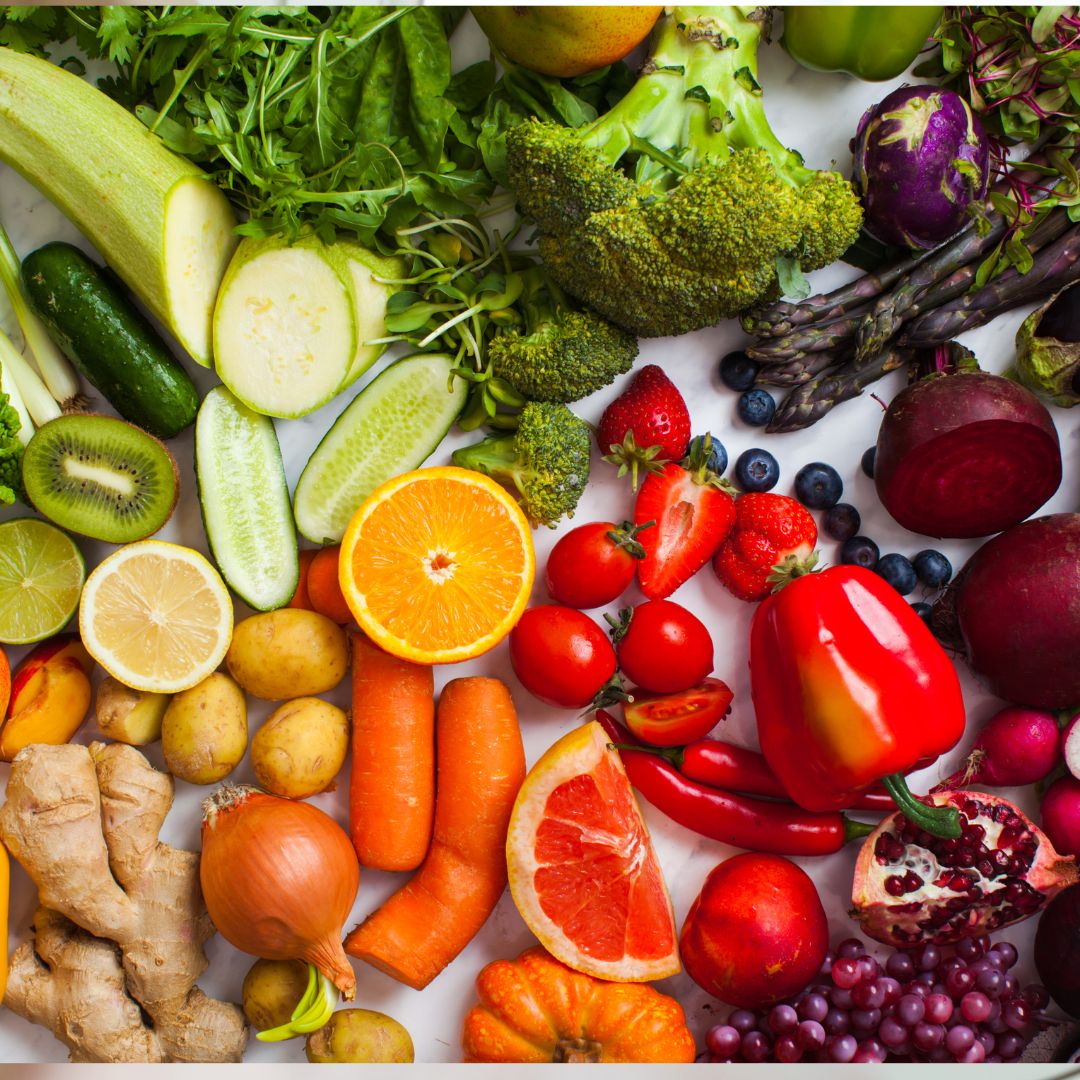
Eat the rainbow, but not because it “detoxes” your skin
Colourful plant foods supply vitamin C, carotenoids and polyphenols, which participate in antioxidant and inflammatory-regulation systems.
Vitamin C is also required for collagen formation and wound healing. Sources include peppers, berries, kiwi fruit, citrus fruit, broccoli, tomatoes, cabbage and leafy greens.
Rather than searching for the single best fruit for acne, aim for variety. Frozen berries, tinned tomatoes, frozen spinach and pre-chopped vegetables still count. A realistic colourful diet is more useful than an expensive fridge full of produce that goes uneaten.
Try to include two or three different plant colours at a main meal. This might look like berries and seeds at breakfast, tomatoes and rocket at lunch, or broccoli, red pepper and herbs with dinner.
Think food first for zinc
Zinc contributes to normal immune function, wound healing, cell division and antioxidant protection. Some studies have found lower average zinc concentrations in people with acne, while a meta-analysis reported that oral zinc may reduce inflammatory papules. However, the trials varied considerably in dose, zinc form and quality.
Food sources include oysters and other shellfish, meat, poultry, cheese, eggs, pumpkin seeds, beans, lentils, tofu and wholegrains.
This is one area where “more” is not necessarily better. High-dose zinc supplements can cause nausea and interfere with copper absorption. Supplementation should therefore be based on individual need rather than added automatically to a generic skin programme.
Foods That Help Support the Gut–Skin Connection
The gut and skin are separate organs, each with its own microbial community, barrier and immune system. However, both communicate with the immune and metabolic systems, leading researchers to explore what has become known as the gut–skin axis.
An evidence-informed approach is to feed the gut microbiome through ordinary foods. Dietary fibre reaches the large intestine, where certain bacteria can ferment it and produce short-chain fatty acids. These compounds help support the intestinal lining and interact with immune and metabolic pathways.
Useful fibre-rich foods include:
Variety matters because different microbes use different carbohydrates and plant compounds. Instead of suddenly eating enormous amounts of fibre, increase it gradually and drink enough fluid, especially if you are prone to bloating or constipation.
Fermented foods can add further microbial and dietary variety. Examples include live yoghurt, kefir, sauerkraut, kimchi, miso and traditionally fermented vegetables. They are not compulsory, and they may not suit everyone, particularly during a digestive flare or where histamine-containing foods are poorly tolerated.
Dairy
It is also worth being cautious about blaming dairy as a whole food group.
Observational studies have found associations between milk intake, particularly skimmed milk, and acne. However, these studies cannot establish that milk directly caused the acne, and findings for yoghurt and cheese are less consistent. Removing dairy unnecessarily may reduce calcium, iodine and protein intake, especially in women who already have a limited diet.
If you strongly suspect a relationship, keep a symptom record and seek guidance before making a long-term exclusion. Where dairy is removed, use nutritionally appropriate alternatives rather than simply replacing yoghurt with a low-protein coconut product.
Ultimately, the most useful nutrition pattern for skin health is unlikely to be dramatic. It will usually look like regular balanced meals, plenty of varied plants, sufficient protein, beneficial fats, fibre-rich carbohydrates and fewer meals dominated by highly refined carbohydrates.
Acne may still require medical skincare or prescription treatment. Nutrition is best viewed as supportive care rather than a replacement for your GP, pharmacist or dermatologist.
And if you’d like to investigate how nutrition and lifestyle changes may be able to help with your acne, why not book a free call?
This article is for educational purposes and does not provide medical diagnosis or treatment. Nutritional therapy works alongside medical and dermatological care. Please speak to your GP or dermatologist about painful, persistent, rapidly worsening or scarring acne, significant pigmentation, sudden androgen-related symptoms, or acne that is affecting your mental wellbeing.

Eating Out on Holiday with PMOS
How to Enjoy Food Without the Blood Sugar Rollercoaster
Eating out on holiday should feel enjoyable! But if you live with PCOS / PMOS, restaurant meals, hotel buffets and social eating can sometimes feel more complicated than they should. You may want to relax and enjoy yourself, but you may also worry about bloating, cravings, energy dips, feeling out of control around food, or undoing the progress you have made at home.
This can create an incredibly exhausting internal dialogue. Should I have the bread? Is pasta a bad idea? Will dessert make my cravings worse? Should I skip breakfast because dinner will be bigger? What if there is nothing I can eat?
If this sounds familiar to you, please rest assured you are not alone.
PMOS is closely linked with metabolic health, insulin resistance, appetite regulation, inflammation, mood and stress physiology. This means that when your holiday brings weird mealtimes, disrupted sleep, a bit more alcohol than usual, low protein intake, and loooong gaps between meals this can throw a wobbler for your symptoms. But that doesn’t mean you have to follow strict food rules on holiday – it’s about getting the mix right.
By understanding how to build meals that support blood sugar, digestion and energy, this should give you the flexibility to enjoy restaurants, local food and social occasions. Which is what a holiday should be!
Why Holiday Meals Can Feel Difficult with PMOS
Many women with PMOS feel better when meals are regular, balanced and protein-rich. Travel and holidays often disrupt exactly these foundations.
You may eat breakfast later than usual, drink more coffee, walk more than expected, have a lighter lunch, then eat a much larger dinner late in the evening. You may have more alcohol, fewer vegetables, more refined carbohydrates and a different sleep pattern. None of this is “wrong”, but it can make symptoms feel less stable.
For some women, this shows up as cravings. For others, it is bloating, reflux, fatigue, anxiety, low mood, poor sleep or waking up feeling puffy and sluggish.
This is not simply about willpower. When blood sugar becomes a rollercoaster, the body naturally looks for quick energy. If you have eaten very little protein during the day, or have relied mainly on coffee, pastries, crisps, bread or sweet snacks, it is understandable that your appetite may feel stronger by the evening.
This is why skipping meals to “save calories” before a restaurant dinner often backfires. You may arrive too hungry, eat more quickly, crave more sugar or alcohol, and then feel uncomfortable afterwards. A more supportive approach is to eat normally earlier in the day, especially including protein, then enjoy your meal from a calmer place.
The Plate Structure That Helps Without Feeling Restrictive
A helpful PMOS-friendly meal does not need to be low carb, joyless or complicated, I promise you.
A good starting point is to think about protein, fibre-rich carbs, healthy fats and colour. This structure helps meals feel more satisfying and can support steadier energy.
In a restaurant, this might look like fish with potatoes and veggies, chicken with rice and salad, eggs with sourdough and avocado, Greek yoghurt with berries and seeds, tofu with noodles and vegetables, or a bean-based dish with olive oil and a side salad if you tolerate legumes well.
The point is not to avoid carbs. Carbohydrates can absolutely fit within a PMOS-supportive diet. The issue is often how they are eaten. A large plate of refined carbohydrates on its own may affect you differently from the same carb eaten alongside protein, veggies and healthy fats.
For example, pasta with seafood, vegetables and olive oil may feel more stable than a plain bowl of pasta followed by dessert after skipping lunch. Pizza with salad and protein may feel better than pizza eaten very late after a day of coffee and snacks. Bread at the table may be fine when it is part of a balanced meal but may not feel so good if it becomes the whole meal.
This is where holiday food can become more flexible. You are asking, “How can I make this work better for my body?” rather than “Is this allowed?”
Buffets, Breakfasts and Restaurant Menus
Hotel breakfasts can be either very helpful or a blood sugar rollercoaster waiting to happen.
The classic holiday breakfast of pastries, toast, juice and coffee may taste lovely, but for many women with PMOS it does not keep energy steady for long. You may feel hungry again quickly, crave more sugar by mid-morning, or find that your mood and concentration dip.
A more supportive approach is to start with protein. Eggs, Greek yoghurt, smoked salmon, cheese, nuts, seeds, tofu, beans or a protein-rich smoothie can help create a steadier foundation. You can then add carbs you enjoy, such as oats, sourdough, fruit or potatoes, plus colour from vegetables or berries where available.
This does not mean avoiding the pastry. It may simply mean not making the pastry the whole breakfast. Having a croissant after eggs and fruit may affect you differently from having a croissant and coffee on an empty stomach.
At buffets, it can help to do a quick scan before filling your plate. Choose your protein first, then add plants, then add the carbohydrate you genuinely want. This tends to work better than starting with everything that looks tempting and ending up with a plate that is very heavy but not very satisfying.
Restaurant menus can be approached in the same way. Look for the protein anchor first. This might be fish, seafood, chicken, lean meat, eggs, tofu, beans, lentils or yoghurt-based dishes. Then think about what you can add for fibre and colour: vegetables, salad, fruit, herbs, legumes, wholegrains or potatoes.
If the menu is mostly pizza, pasta or bread-based dishes, that is not a disaster. Choose something you will enjoy and add what you can. A side salad, vegetables, seafood, chicken, cheese, yoghurt dip or olive oil can all help make the meal feel more balanced.
Alcohol, Desserts and Food Guilt on Holiday
Alcohol and desserts often bring up guilt for women with PMOS.
But guilt is not a useful health strategy, and we shouldn’t have to put up with it! Guilt tends to increase that all-or-nothing thinking, which can make food feel more chaotic and give us a case of the ‘sod its’.
Alcohol can affect sleep and blood sugar regulation. And for some of us it can worsen cravings the next day, especially if combined with a late night and poor sleep. Working out your pattern and what works for you is a great strategy.
So, for example, if you drink alcohol with food rather than on an empty stomach, you might feel a whole lot better and be able to enjoy the local cocktails. Think about alternating alcoholic drinks with water, or avoiding the very sugary mixers, if they don’t suit you. Think about choosing to have an earlier night when you feel a little run down. For some of us, keeping alcohol moderate is one of the biggest factors in maintaining better energy and mood on holiday.
Desserts can also fit - always. If you want dessert, have dessert! A helpful approach is to enjoy it after a balanced meal (ie plenty of protein, fibre and healthy fats) rather than using it to fill the gap left by under-eating all day. If you know very sweet foods can trigger cravings for you, sharing a dessert, choosing something with protein or fat such as yoghurt, nuts or cheese, or simply slowing down and eating it mindfully may help.
The key is to avoid the “I’ve blown it” mindset. One meal, one dessert or one cocktail does not undo your health. The body responds to patterns, not isolated moments.
Eating Out Without Losing Trust in Yourself
Many women with PMOS have spent years being given weight-focused, restrictive or oversimplified, terrible advice. This can make holiday eating feel incredibly emotionally loaded.
You may worry that if you relax, you’ll lose control. You may feel guilty for eating foods you enjoy. You may compare your choices to other people’s. You may feel anxious in photos, swimwear or group meals.
This matters because stress itself can affect digestion, appetite and blood sugar regulation. A supportive PMOS approach should not increase shame. It should help you feel more confident in your body and more capable of making choices that work for you.
What can be helpful is to choose a few flexible principles rather than rigid rules. You might decide that you will aim for protein at breakfast, water through the day, vegetables when they are available, and a walk after dinner when it feels enjoyable. That is enough. You do not need to track, compensate or make every meal perfect.
If a meal is less balanced, the next meal can simply bring you back to your foundations. No drama. No punishment. No starting again on Monday.
A Simple PMOS-Friendly Eating Out Strategy
Before you go away, think about the part of holiday eating that usually feels hardest.
If breakfast is your weak point, plan a protein-rich option. If you get over-hungry before dinner, pack a snack or eat a proper lunch. If alcohol affects your sleep and cravings, decide what moderation looks like for you. If buffets overwhelm you, start with protein and plants before adding extras. If desserts trigger guilt, practise enjoying them without turning them into a moral issue.
This is not about controlling your holiday. It is about reducing the blood sugar rollercoaster so that you feel more stable, more energised and more relaxed around food. And then you can really enjoy your time away!
PMOS nutrition should support your life, not shrink it.
If eating out, cravings, food guilt or blood sugar dips feel difficult to manage, there may be deeper foundations to look at, including insulin resistance, sleep, stress, gut health, appetite regulation and your relationship with food.
You do not have to work all of this out alone. Why not get in touch with us?

Midlife Hormones and PMOS
For many women, perimenopause can feel confusing enough on its own. When you add PMOS or PMOS into the mix, it can sometimes feel as though your hormones are becoming even more unpredictable.
You may notice changes in your cycle, worsening sleep, increased anxiety, more stubborn weight gain, fatigue, joint aches, digestive symptoms or feeling far less resilient to stress than you used to. Many women also tell me that the strategies that once “worked” for their body suddenly no longer seem effective.
This can feel incredibly frustrating, particularly for women who have often spent years trying to manage symptoms already.
The good news is that nutrition and lifestyle factors may still have a powerful impact during this stage of life. While we cannot stop hormonal changes from occurring, we can often support how resilient and supported the body feels through the transition.
Why perimenopause can feel more intense with PMOS/PMOS
Perimenopause is the stage leading up to menopause where hormone levels begin to fluctuate more significantly. Oestrogen and progesterone levels may rise and fall unpredictably, which can affect mood, sleep, appetite, energy and menstrual cycles.
For women with PMOS/PMOS, this transition can sometimes feel more complicated because many are already dealing with underlying insulin resistance, inflammation, disrupted ovulation or nervous system dysregulation.
Research suggests that insulin resistance may become more significant during midlife due to age-related changes in muscle mass, body composition and hormonal signalling. This may contribute to increased fatigue, cravings, blood sugar swings and changes in weight distribution around the abdomen.
Sleep disturbances may also worsen during perimenopause, and poor sleep itself can negatively affect blood sugar balance, appetite regulation and stress hormones.
Many women also find that they become less tolerant to restrictive dieting, skipping meals or over-exercising during this stage of life. The body often responds far better to nourishment, consistency and recovery than to extremes.
Interestingly, research suggests that menopause itself may look slightly different in women with PMOS/PMOS compared with women without the condition.
Some studies suggest that women with PMOS may experience menopause slightly later on average, potentially due to a larger remaining follicle pool across the lifespan. However, this does not necessarily mean symptoms are easier. Many women continue to experience metabolic and hormonal challenges well into midlife and beyond.
Although testosterone levels often decline with age, women with PMOS/PMOS may still have relatively higher androgen levels after menopause compared with women without the condition. Insulin resistance also frequently persists, even after periods stop, which means blood sugar regulation, cardiovascular health and body composition often remain important areas of support.
This is one reason why some women notice increasing abdominal weight gain, rising cholesterol levels, worsening sleep or changes in energy levels during perimenopause and menopause. The hormonal shifts of midlife may amplify underlying insulin resistance and inflammatory pathways that were already present to some degree.
Research also suggests that women with PMOS may have a higher long-term risk of conditions linked to metabolic health, including type 2 diabetes, fatty liver disease and cardiovascular disease. This does not mean these outcomes are inevitable, but it does highlight the importance of focusing on sustainable lifestyle foundations during midlife rather than approaching menopause as simply the end of reproductive symptoms.
At the same time, many women with PMOS/PMOS describe feeling relieved once cycles become less unpredictable and ovulation-related symptoms settle. For some, this stage can become an opportunity to shift away from years of restrictive approaches and towards a more supportive and sustainable relationship with food, movement and health.
Protein, fibre and blood sugar balance
One of the most helpful places to start during perimenopause is often blood sugar balance.
Fluctuating blood sugar levels may contribute to energy crashes, increased hunger, poor concentration, mood swings and cravings. For women with PMOS/PMOS, stabilising blood sugar may also help support insulin sensitivity and overall hormone regulation.
This is where protein becomes particularly important.
Many women are simply not eating enough protein earlier in the day, which can leave them feeling hungrier, more fatigued and more likely to rely on sugar or caffeine to get through the afternoon.
Including protein at meals may help support:
Foods such as eggs, Greek yoghurt, fish, lean meat, chicken, tofu, edamame beans, lentils and high-protein breakfasts can all be useful additions depending on individual preferences and tolerances.
Fibre is equally important. Research increasingly shows that fibre supports not only digestive health, but also blood sugar regulation, cholesterol balance and the gut microbiome. This becomes especially relevant during midlife, when cardiovascular and metabolic health become increasingly important considerations.
Most women would benefit from gradually increasing fibre intake through foods such as:
A Mediterranean-style approach to eating is consistently associated with better metabolic, cardiovascular and cognitive health outcomes, and may be particularly supportive during perimenopause.
Nutrients that matter most in midlife
Rather than focusing on trendy supplements or restrictive protocols, I often encourage women to focus on nutritional foundations first. Some nutrients that may become increasingly important during perimenopause include:
Protein Important for muscle mass, blood sugar balance, bone health and recovery.
Calcium and vitamin D Both play important roles in bone health, particularly as oestrogen levels decline.
Omega-3 fats May help support cardiovascular, cognitive and inflammatory health.
Magnesium Involved in hundreds of processes in the body including sleep, muscle function, stress regulation and blood sugar balance.
Iron Heavy or irregular periods during perimenopause may still contribute to low iron status in some women, which can affect energy and concentration.
Phytoestrogen-rich foods Foods such as ground flaxseeds, tofu, tempeh and edamame contain naturally occurring phytoestrogens which may be supportive for some women during perimenopause.
Importantly, more supplementation is not always better. Individual needs vary significantly, and personalised support is often most helpful.
Supporting your body rather than fighting it
One of the biggest mindset shifts I encourage during perimenopause is moving away from punishment-based approaches to health.
Many women with PMOS/PMOS have spent years believing they simply need more willpower, stricter diets or more intense exercise. In reality, midlife hormones often respond far better to consistency, nourishment, sleep, stress support and realistic habits.
This stage of life is not about perfection. It is about building a way of eating and living that supports energy, metabolic health, muscle mass, mood and long-term wellbeing.
You can read more about bone and muscle health in my recent blog on Bone Health and PMOS/PMOS, where I discuss strength training, vitamin D and healthy ageing in more detail.
And don't forget you can always book in a free call with us too.
Please note: Nutritional therapy does not diagnose or treat medical conditions. Always speak to your GP regarding persistent symptoms or concerns about menopause or hormonal health.




For any conditions other than PMOS, please feel free to be in touch with our sister clinic Alex Allan Nutrion
PMOS Clinics is part of the Green Leaf Company (London) Ltd, a limited company registered in England and Wales. Registered number: 10990293
Disclaimer: ‘Please note that nutritional therapy is not medical advice - this should always be sought from your doctor or other medical provider. We aim to work alongside your doctor or GP to provide nutritional and lifestyle advice to support any underlying imbalances.'
Website by Phuse Media - Web Design Southend
