
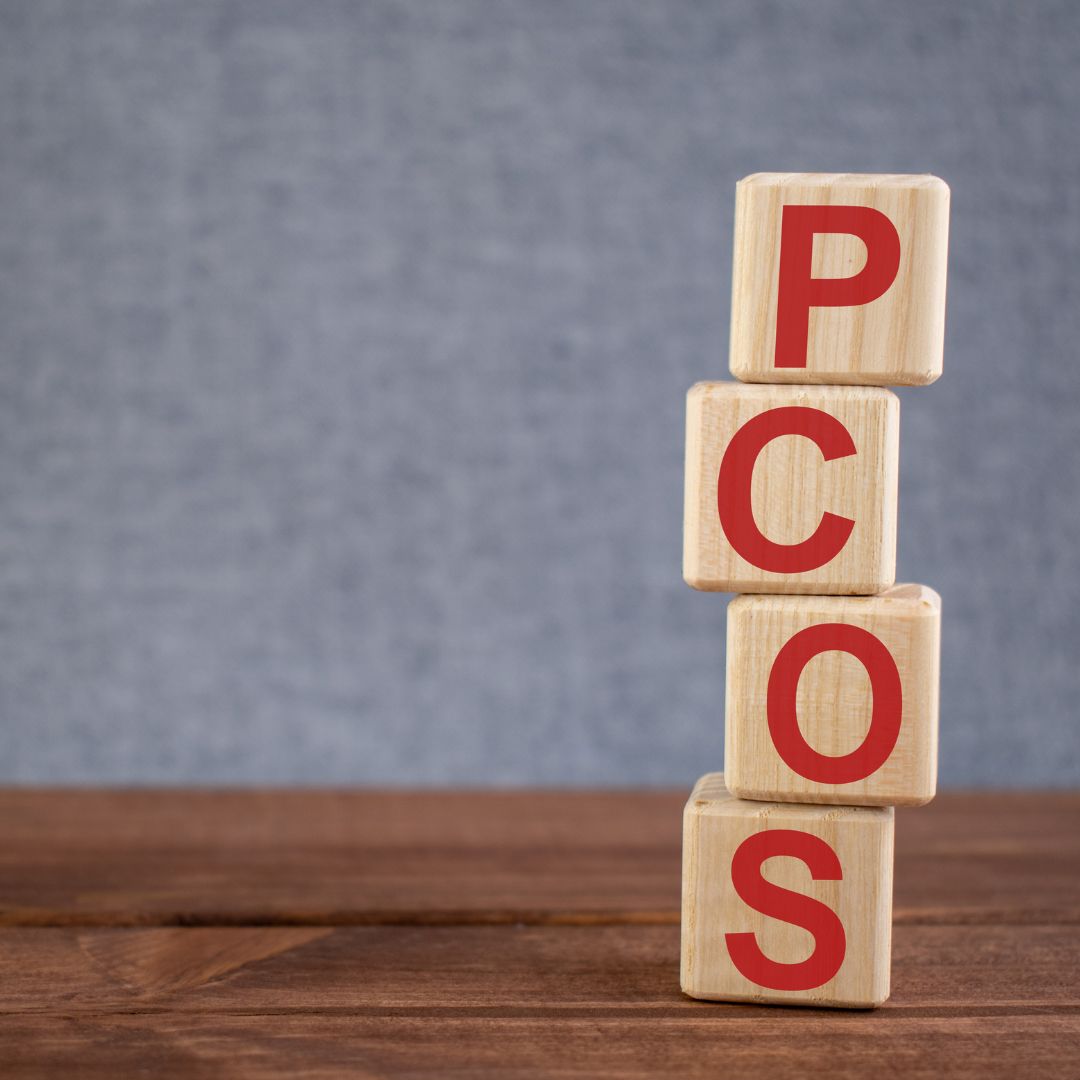
How do I know if I have PMOS for sure?
If you suspect you may have PMOS, the most important step is to speak with your GP. PMOS is what’s called a diagnosis of exclusion – this means other conditions need to be ruled out first. Only a healthcare professional can make the diagnosis, so it’s important to get checked rather than relying on self-assessment.
Things to reflect on before seeing your GP
While you cannot diagnose PMOS yourself, thinking about your symptoms can help you prepare for the appointment. For example:
If you answered “yes” to some of these questions, it may be worth discussing them with your GP.
Keeping a symptoms diary
Before your appointment, it can be useful to keep a record of your symptoms. This can help you and your GP look for patterns. You might want to note:
What guidelines say about diagnosis
According to current NICE guidance:
In adults (over 20 years old), a diagnosis of PMOS may be considered if two out of the following three are present, once other causes have been ruled out:
Or, put more simply:
In adolescents (under 20 years old), diagnosis is based on hormone levels and irregular or absent periods. Ultrasound is not usually recommended at this stage, as it is not considered reliable for diagnosis in younger women.
Adolescents with some PMOS features, but who do not meet the full diagnostic criteria, may be considered at increased risk. Guidelines suggest reassessment at or before full reproductive maturity (approximately eight years after the first period).
Depending on your age and symptoms, your GP may recommend blood tests and/or an ultrasound scan as part of the diagnostic process.
Important note
Nutrition and lifestyle approaches can support general wellbeing if you have PMOS symptoms, but they cannot replace medical diagnosis or treatment. Always seek advice from your GP if you are concerned about your symptoms.



For any conditions other than PMOS, please feel free to be in touch with our sister clinic Alex Allan Nutrion
PMOS Clinics is part of the Green Leaf Company (London) Ltd, a limited company registered in England and Wales. Registered number: 10990293
Disclaimer: ‘Please note that nutritional therapy is not medical advice - this should always be sought from your doctor or other medical provider. We aim to work alongside your doctor or GP to provide nutritional and lifestyle advice to support any underlying imbalances.'
Website by Phuse Media - Web Design Southend
