

The Link Between PMOS and IBS
PMOS is an endocrine (or hormonal) disorder, whereas IBS or Irritable Bowel Syndrome is a gastrointestinal disorder meaning it affects our gut health and digestion. It is generally given as a diagnosis of exclusion, where conditions like Crohn’s disease, ulcerative colitis and coeliac disease have been eliminated. It is thought to affect 1 in 5 people in the UK. Symptoms include Typical IBS symptoms include abdominal pain, diarrhoea and/or constipation, bloating, wind, indigestion, mucous.
If you have PMOS, you may also experience symptoms of IBS. Here are potential reasons behind the association, according to research:
High levels of hormones
PMOS is marked by overly high levels of luteinising hormone (LH) and follicle-stimulating hormone (FSH), which are there to stimulate ovulation. Not only are excess levels of these hormones indicative of PMOS, but they can also lead to symptoms of IBS. Research shows that high levels of LH and FSH can cause slow transit of food in the digestive tract, leading to constipation.
Being female
Studies show that far more women suffer with IBS than men. Therefore, being a woman may increase your chance for having both conditions.
Although it isn’t entirely clear why IBS is more common in women, it’s thought to be related to sex hormones. Oestrogen and progesterone may slow down intestinal muscle contractions leading to constipation. Plus, hormone fluctuations during menstruation can lead to fast transit, which can cause diarrhoea.
Inflammation
Inflammation is a common driver of PMOS symptoms – and it is a common driver of IBS.
Inflammation plays a role in the development of IBS. This includes inflammation of the mucosal gut lining, as well as neuroinflammation via the gut-brain axis The gut-brain axis is the neuronal system that connects your brain and gut.
Stress
Stress is another drive of PMOS, as we have seen.
Strong emotions like stress, anxiety, and depression trigger chemicals in the brain that turn on pain signals in your gut that may cause your colon to react. Stress and anxiety may make the mind more aware of spasms in the colon. IBS may be triggered by the immune system, which is affected by stress.
Alterations to the gut microbiome
We have around 2kgs of bacteria in our large intestine called our gut microbiome. These bacteria help with our immune tolerance, create special chemicals to feed our gut lining, help make vitamins and many other important jobs. Research shows that women with PMOS have far less diverse microbiomes than women without PMOS.
But why do we get IBS? As a syndrome it’s really an umbrella name for a variety of different digestive disruptions, such as:
Working with a qualified health practitioner, like our team here at PMOS Clinics, can help you get to the root cause of your digestive discomfort. Fully trained practitioners can organise testing such as:
If you’re suffering from symptoms of IBS, why not get in touch? We can help you determine the root cause of what’s going on for you. Tackling your IBS may be one of the main steps to getting your PMOS symptoms under control, especially as IBS can be a major trigger for inflammation. Why not book a call?

Ever feel like the weight of the world is a little lighter after a chat with a friend or a shared laugh with a group? It's not in your head. Science shows that community and connection are powerful ingredients in the recipe for better health - and they might just be the missing piece of your wellbeing puzzle.
We're wired for connection. Humans are social creatures, and our health depends on it. Studies have shown that people with strong social ties live longer, have better immune systems and even recover faster from illness. On the flip side, loneliness is as harmful to your health as smoking 15 cigarettes per day. Yes, really - click here to find out more.
Take Okinawa, Japan, where people form moais, small groups of friends who commit to supporting each other for life. Or Sardinia, Italy, where communal meals and shared celebrations are part of daily life.
What makes these communities special isn't a secret. They've simply made connection a priority. And that connection, whether through friends, family, or shared purpose, creates a ripple effect: better habits, stronger resilience, and a greater sense of belonging.
Let's be honest: making changes to your diet, exercise, or lifestyle isn't always easy. But when you are part of a supportive community, it's a whole lot easier to stay on track. Surrounding yourself with people who share your goals - whether it's eating better, moving more, or just being kinder to yourself - can inspire you to achieve more than you thought possible. This is one of the reasons Facebook groups - despite all the politics - are thriving.
Eating habits: Sharing healthy recipes or cooking with friends makes good nutrition feel fun and sustainable
Exercise motivation: Joining a walking group or fitness class keeps you moving (and accountable)
Emotional support: A quick chat with someone who 'gets it' can help you power through those tough days, particularly when dealing with a condition like PMOS
We tend to reflect the behaviours of those around us. So, finding a community that supports your goals isn't just nice - it's smart.
Connection isn't just about shared goals. It's about feeling seen, valued, and part of something bigger than yourself. That sense of belonging can lower stress, boost happiness, and even reduce inflammation in the body. It's the ultimate mind-body benefit.
Whether it's a group of close friends, a local community group, or even an online space where you feel at home, belonging feeds your soul and your health.
Community comes in all shapes and sizes, and finding the right fit for your personality, lifestyle, and goals is key. Here are some examples of thriving community spaces that can inspire connection and better health:
Health and wellness groups
Fitness classes: local yoga studios, Zumba sessions, or even park boot camps often create a strong sense of camaraderie. Sharing a workout with others can help you stay motivated, even on the days when you'd rather not lace up your trainers.
Why it works: The shared goal of better fitness fosters a positive, supportive environment. You're not just exercising: you're bonding over a shared challenge.
Cooking or nutrition workshops: Whether it's a meal-prep class or a group that meets to share healthy recipes, these spaces offer practical knowledge and social connection.
Why it works: Cooking and eating are inherently social activities, and group settings make them even more enjoyable. You can also swap tips, successes, and even the occasional healthy treat.
Virtual communities
Online forums and groups: Platforms like Facebook groups or community apps (eg Meetup or Nextdoor) allow people with shared interests to connect, regardless of location. For example, a virtual walking club where members log miles and cheer each other on through group chats or video calls. Or why not join our PMOS Facebook group? You can find it here.
Why it works: For people with busy schedules, mobility challenges, or who live in rural areas, online communities can offer the same benefits as in-person ones.
Cross-generational opportunities
Volunteering programmes: Community gardesn, charity events, or organisations like Age UK or Lady McAdden's often bring people together of all ages to work on shared projects.
Why it works: Cross-generational activities encourage empathy, expand perspectives, and bring a wealth of new ideas to the table. Plus, they create a sense of purpose.
Mentorship schemes: Whether it's through a professional organisation or a local school, mentorship provides a two- way exchange. The mentee gains knowledge, and the mentor finds fulfilment in giving back
Hobby-based groups
Outdoor clubs: Hiking groups, cycling clubs, or even birdwatching societies combine physical activity with the chance to connect over a shared love of nature.
Why it works: Time outdoors reduces stress, boosts mood, and offers a refreshing change of scene, while the group dynamic keeps you engaged.
Creative meetups: Think knitting circles, book clubs, or art workshops. These are spaces where people come together to create, learn and share.
Why it works: Creativity is a powerful way to relax and focus and doing it with other multiplies the joy and motivation.
Faith-based communities
Many religious and spiritual organisations offer regular gatherings that focus on connection, reflection, and shared purpose.
Why it works: Faith communities often create a strong sense of belonging, which can reduce stress and provide comfort in challenging times.
If you're thinking, "That sounds amazing, but where do I start?", here are some ideas:
Reconnect: Reach out to friends or family members who make you feel good.
Try something new: Join a class or club that sparks your interest.
Find your online tribe: Virtual communities can be just as supportive as in-person ones.
Start small: Even one meaningful connection can make a difference.
It's completely normal to feel unsure or hesitant when it comes to building connection. The important thing is to take that first small step. Whether it's to text an old friend, attending a new class, or simply smiling at someone in passing, every little effort counts. Over timelines those small moments of connection can grow into something bigger - a network of support, joy, and belonging.
So, who will you connect with today?
Who are your biggest cheerleaders?
How often do you connect with them?
What's the one thing you can do this week to nurture those relationships?
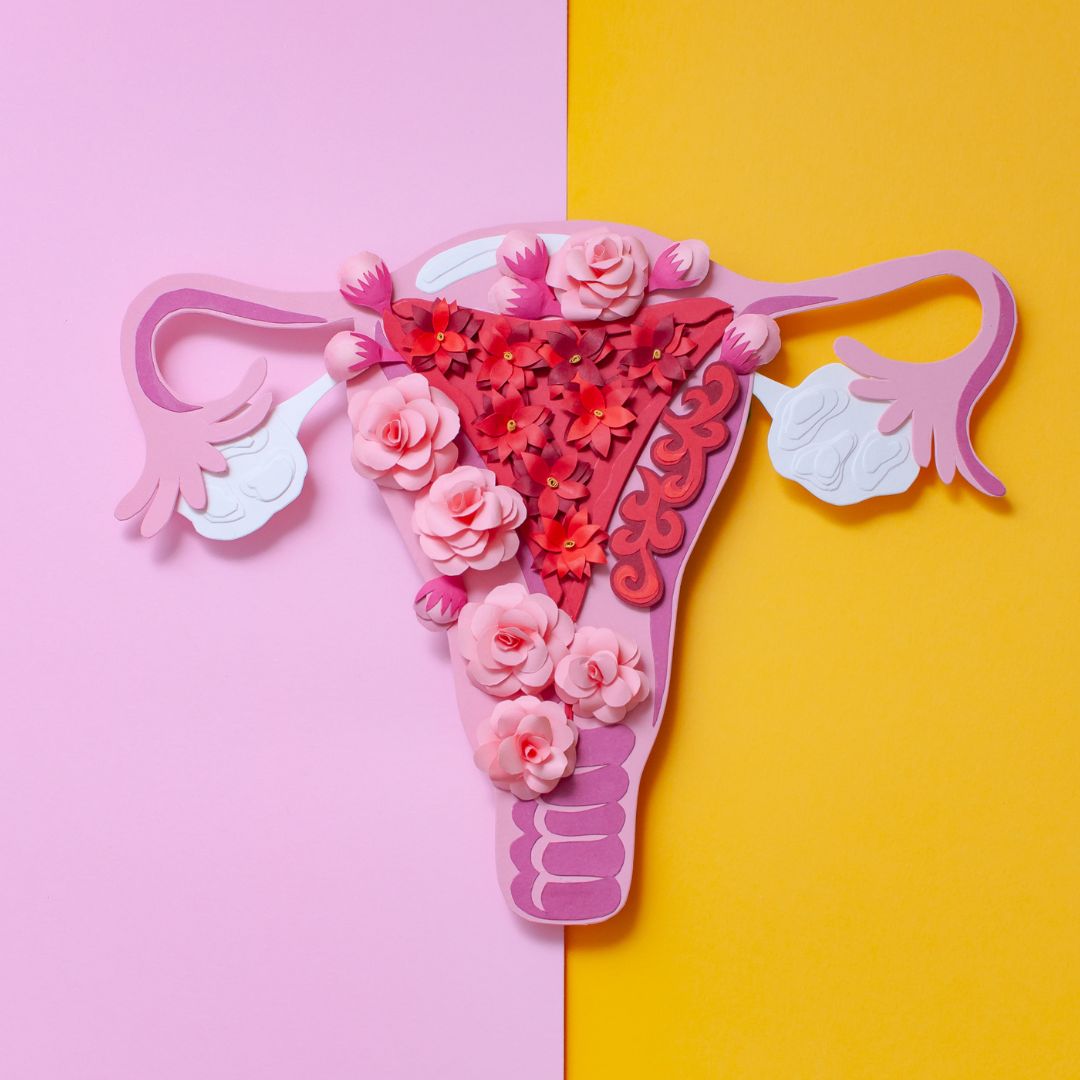
Understanding Endometriosis vs. PMOS
It is Endometriosis Awareness Month this month. Endometriosis affects about 1.5 million women in the UK, but it remains one of the most under-diagnosed conditions.
While we are PMOS specialists here at PMOS Clinics, we often see women with endometriosis as well as PMOS in clinic. So, what’s the difference?
Endometriosis and polycystic ovary syndrome (PMOS) are two common conditions that affect women. While both conditions can cause menstrual irregularities and fertility challenges, they differ in their underlying hormonal imbalances, symptoms, and treatment approaches. Understanding these differences is key to seeking the right diagnosis and treatment.
Endometriosis vs. PMOS: How They Differ
Both conditions can lead to heavy menstrual bleeding and issues with fertility, but they have distinct causes and symptoms:
Symptoms of Endometriosis vs. PMOS
|
Symptom |
Endometriosis |
PMOS |
|
Heavy bleeding |
Yes |
Yes |
|
Irregular periods |
Rare |
Yes |
|
Painful periods |
Yes |
Sometimes |
|
Pelvic pain |
Before periods |
Any time |
|
Pain during or after sex |
Yes |
No |
|
Painful urination or bowel movements |
Yes |
No |
|
Excess body hair |
No |
Yes |
|
Hair loss on head |
No |
Yes |
|
Acne and oily skin |
No |
Yes |
|
Fatigue and low energy |
Yes |
Yes |
|
Weight gain |
No |
Yes |
|
Bleeding without ovulation |
No |
Yes |
Prevalence of Endometriosis and PMOS
What Causes Endometriosis and PMOS?
Endometriosis Causes
While the exact causes are not yet known, the following hypotheses have been put forward:
PMOS Causes
Who is at Risk?
Risk Factors for Endometriosis
Risk Factors for PMOS
Can You Have Both Conditions?
Yes. Studies suggest a strong link between PMOS and endometriosis, particularly in individuals experiencing pelvic pain or infertility.
High androgen and insulin levels in PMOS may contribute to anovulatory periods (periods where we don’t ovulate), which may lead to higher levels of oestrogen, potentially exacerbating endometriosis.
Conventional Treatment Options for Endometriosis and PMOS
Endometriosis Treatment
PMOS Treatment
When to See a Doctor
Seek medical advice if you experience:
Early diagnosis is crucial for symptom management. A gynaecologist or endocrinologist can provide a tailored treatment plan.
Final Thoughts
Endometriosis and PMOS are distinct but often misunderstood conditions that can significantly impact overall health.
While endometriosis results from excessive oestrogen and misplaced uterine tissue growth, PMOS stems from an overproduction of androgens, leading to metabolic and reproductive complications. If you suspect you have either condition, early medical intervention can help manage symptoms and improve quality of life. And don’t forget the power of diet and lifestyle changes – if you’d like to know more, get in touch.
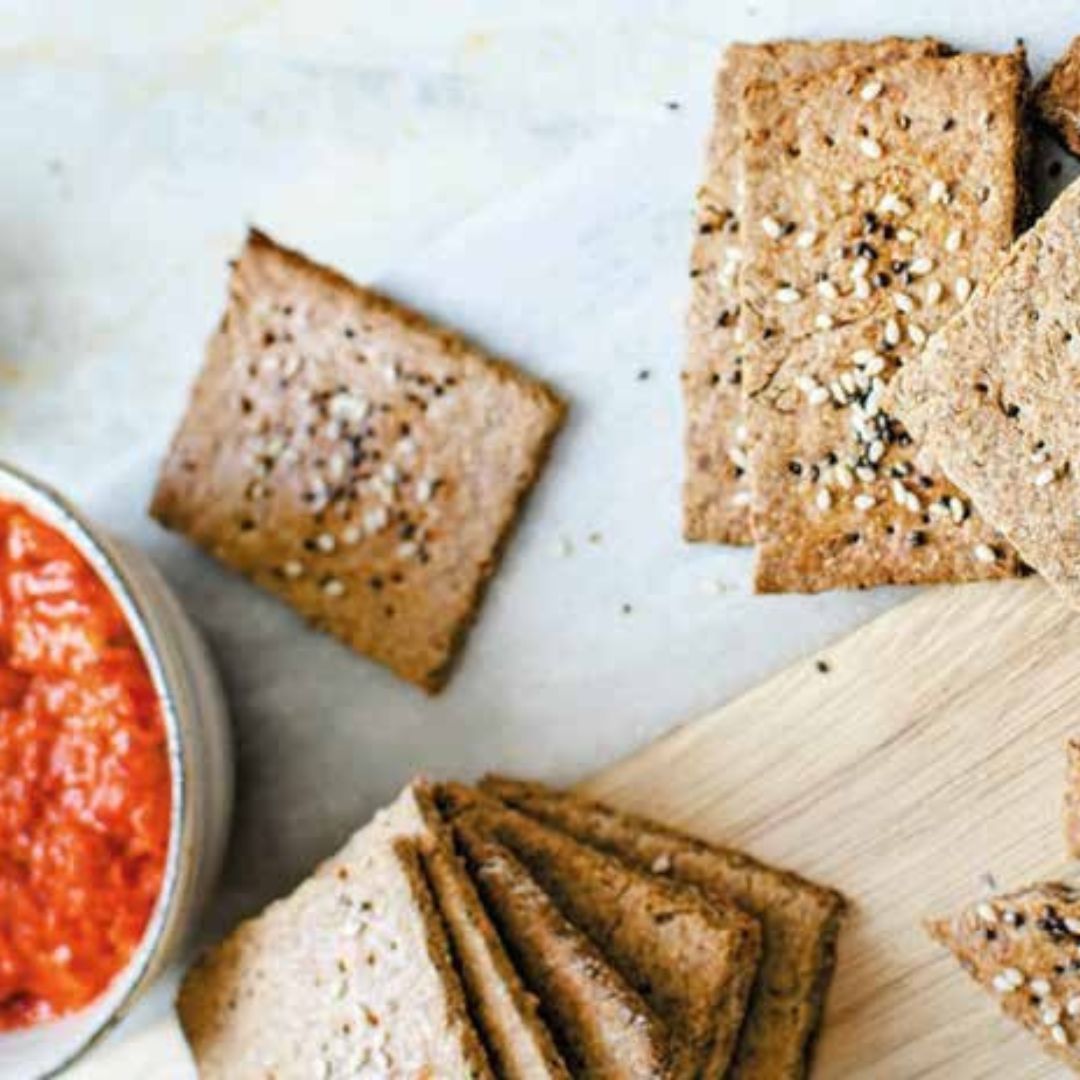
Cheesy flax crackers
These are a great addition to a hormone-balancing diet, as flaxseeds, the primary ingredient, contain lignans, a type of plant compound with oestrogen-balancing properties.
Plus, they’re low carb so are great for blood sugar balance.
Makes 10
Ingredients
50g grated Gruyère cheese (Parmesan also works well)
130g ground flaxseeds
2 tsp dried oregano
½ tsp chilli flakes
½ tsp salt ground black pepper to taste
Method

10 Reasons Why You Need More Sleep
I’m sure you’re already aware that getting more sleep is a great idea, but here’s something I see a lot in my nutrition clinic: knowing something doesn’t mean doing it.
Sometimes I feel it’s because people aren’t completely sure why sleep is so important for their health and, without that vital piece of information in place, it’s hard to persuade yourself it’s something you should be doing when there are so many other things calling for your attention and your valuable time.
So today I thought I would offer up some compelling reasons why making sleep a priority really is a good idea. You will likely already know many of the things you could do to make sleep more likely to happen but there is no urgency because the concept of sleep feels too far removed from the symptoms you’re experiencing. So, here’s my list, which is not exhaustive. Let me know which is the biggest reason you have for sleeping more!
Are you ready to discover the game-changer that could transform your health? Let's talk about sleep – the unsung hero of well-being – and what the lack of it is doing inside your body.
1. Promotes weight gain
Are those stubborn extra pounds refusing to budge? Enter sleep – a star player in your weight loss journey.
Many studies point to sleep restriction leading to increased levels of ghrelin, the hunger hormone, and decreased levels of leptin, the hormone responsible for fullness.
Not only that, chemical changes inside the brain also alter the kinds of foods you fancy eating. So, by ensuring sufficient sleep, you're not just avoiding late-night snacking; you're setting the stage for a metabolism that works in your favour.
2. Creates more inflammation
Practically every cause of dis-ease in the body (and also disease) is related one way or another to inflammation. Inflammation can wreak havoc on your body, and poor sleep might be fanning the flames.
Researchers found a clear link between sleep deprivation and increased inflammatory markers. So, when you prioritise sleep, you're not just easing into dreamland; you're actively reducing the risk of inflammatory conditions of all kinds.
3. Destabilises your hormones
Your body is a finely-tuned orchestra of hormones, and sleep plays the role of the conductor. Skimping on sleep can throw this delicate symphony off balance, impacting everything from stress hormones to those governing metabolism (like hunger and fullness) as well as female hormones. For women, sleeping well is not a luxury.
When you don’t sleep, what might be on the cards includes menstrual irregularities due to interruptions your body’s natural wake-sleep rhythm, exacerbated PMS as well as problems with fertility, too. A harmonious hormonal dance begins with a restful night's sleep.
4. More stress on top of your existing stress
Feel like stress and anxiety are running the show? Let sleep be your backstage pass to tranquillity. Author of the book Why We Sleep, Matthew Walker, highlights the crucial role of sleep in emotional regulation. Get less sleep, expect heightened emotional reactivity, increased stress and anxiety, and symptoms of mental health disorders like depression.
So, when you're tucked in for the night, you're not just escaping reality temporarily; you're arming yourself against the stressors of tomorrow.
5. Poor memory
Ever wondered why a good night's sleep leaves you feeling mentally refreshed? It’s because sleep contributes to memory consolidation and cognitive function.
When you prioritise sleep, you're not just catching up on dreams; you're enhancing your brain's ability to tackle challenges, adapt to new circumstances, make better decisions, and retain information. That sounds like a win on every level imaginable.
6. Compromised immunity
Picture sleep as your body's superhero cape, especially when it comes to the immune system.
Insufficient sleep weakens your defences, making you more susceptible to infections and worse – studies point to lack of sleep also being a risk factor in a variety of cancers. Want to stay healthy? Make sleep your immune-boosting sidekick.
7. Greater risk of heart disease
Heart disease is a leading cause of illness and death across the western world and there are a huge number of risk factors involved, from smoking to being overweight. Interestingly, there is an increasing amount of attention being given to poor sleep and cardiovascular risk. It’s thought to be linked to the non-REM sleep stages, during which your whole body slows down (heart rate, blood pressure, breathing) and this is restorative for the heart.
Now imagine getting less sleep or interrupted sleep… Small wonder that chronic sleep deprivation is linked to a wide range of cardio conditions, like high cholesterol, stroke and heart attack. Guard your heart – prioritise those peaceful nights.
8. More likely to get diabetes
Watch out for the blood sugar rollercoaster! If you’ve been in my world for a while, you might have seen me talk about blood glucose levels being key for hormone balance. It’s a subject I never tire of talking about it and it’s easier to get under control than you might think. This is a key part of all my nutrition programmes so do let me know how I can help.
Lack of sleep has been linked to insulin resistance, paving the way for type 2 diabetes. Plus, as I covered in my happy healthy hormones blog, balancing sugar helps balance insulin, which keeps our sex hormones balanced.
9. You’ll die earlier
If you want to live longer (and spend more of those years in good health), sleep must be high on your to-do list. Consistent sleep patterns are key. According to the American College of Cardiology, who analysed data from a whopping 172,321 people, if you sleep well, for long enough and feel rested when you wake, you are 30% less likely to die prematurely, 21% less likely to die from cardiovascular disease, 19% less likely to die from cancer, and 40% from other causes.
Ready to feel great?
10. Get more sleep, you’ll be happier
We all know everything looks better after a decent night’s sleep. There’s not a single pasture that is not greener. It’s official. A good night’s sleep means you’ll be happier and more satisfied with life. That’s enough for me!
Are you struggling with sleep right now? Why not book in a call and find out how I can help.

Your hormone balancing action plan
If you’re looking to balance your hormones, here are my five top tips:
Prioritise sleep
There are some actions you can take to make a good sleep much more likely. These include things like avoiding drinks containing caffeine after lunch, going to bed at the same time every day, keeping the temperature in your bedroom comfortable, keeping the bedroom completely dark so you’re not disturbed by light and making an effort to relax for at least 5 minutes before going to bed - a warm bath, massage, meditation and so on.
The biggest tip I can give you is to really ensure that you prioritise your sleep. Make a real effort to focus on all the things you can do to improve your sleep hygiene rather than ‘kind of’ doing it.
Move your body
Exercise can have a noticeable effect on hormones and mood. You might have heard how exercise releases endorphins and the feel-good hormones dopamine and serotonin.
Instead of moving in such a way that you place excessive stress on the body, consider how your body likes to move. Focus on things like brisk walks, yoga or pilates, and weight training ahead of more punishing regimes involving spin classes and long runs.
Improve your digestive health
There might seem quite a geographical distance between your digestive system and your brain but the two are actually very closely connected. In fact, the digestive system is often referred to as the ‘second brain’.
If you have any problems with your digestive system, it will be worth working on these with a nutrition professional. Your nutritionist will be able to advise if any functional testing might be appropriate to look for food reactions (allergies or intolerances) or a broader test to see whether you might have bacterial imbalance or infection.
For the purposes of this blog, it might be helpful to ensure you regularly eat probiotic foods like natural yoghurt, kefir and kombucha (all are now widely available even in supermarkets) or even take a probiotic supplement.
Reduce stress
Taking action to reduce stress in your life is essential but many people are concerned the specific things they might do are too much of a luxury in their already-busy lives.
Bottom line: you can’t simply keep going the way things are.
Taking some time to empty the ‘stress bucket’ is critical for your wellbeing. Yoga and mindfulness/meditation are proven ways to reduce stress but consider taking time out just to do the things you love to do quietly, mindfully and on your own: sitting in the garden with a cuppa, reading, colouring, knitting, or trying out a new hobby.
Balance your blood sugar
Blood sugar levels have a profound effect on our hormones largely due to the effect they have on insulin, which has a knock-on effect to our sex hormones. Balancing blood sugar could be an entire blog in itself, so do check back on previous blogs I have written.
But, in essence, try to stick to three good meals per day, and avoid snacks unless absolutely necessary. Make sure to have good quality protein with every meal and/or snack, and make sure that half your plate is covered with veggies (the green and brightly-coloured kind – not potatoes!)
And don’t forget, I’m always here if you’d like to discuss hormone testing or look further into why your hormones might be acting up right now. Just book in a call here.



For any conditions other than PMOS, please feel free to be in touch with our sister clinic Alex Allan Nutrion
PMOS Clinics is part of the Green Leaf Company (London) Ltd, a limited company registered in England and Wales. Registered number: 10990293
Disclaimer: ‘Please note that nutritional therapy is not medical advice - this should always be sought from your doctor or other medical provider. We aim to work alongside your doctor or GP to provide nutritional and lifestyle advice to support any underlying imbalances.'
Website by Phuse Media - Web Design Southend
