

Why movement matters in PMOS
Many of my clients with PMOS describe the same pattern: constant cravings, afternoon energy dips, and a sense that workouts don’t really make much of a difference. These can be common experiences when insulin resistance is part of the picture.
However, regular physical activity is one of the most effective ways to improve insulin sensitivity, support glucose control, and enhance overall metabolic health in PMOS. Exercise also benefits mood, sleep quality, and body confidence - all key areas that can be affected by PMOS.
The 2023 International Evidence-Based PMOS Guideline identifies movement as a first-line approach to managing PMOS symptoms and improving long-term health. UK guidance recommends at least 150 minutes of moderate activity per week (such as brisk walking or cycling) or 75 minutes of vigorous activity, along with strength training on two or more days each week. Breaking up long periods of sitting is equally important.
Strength training and insulin sensitivity
Resistance or strength training plays a central role in improving insulin sensitivity. It increases muscle mass, and muscle tissue is one of the main sites where glucose is stored and used for energy. The more efficiently muscles take up glucose, the less insulin the body needs to produce, reducing insulin resistance over time.
Several studies have shown that women with PMOS who include resistance training experience improvements in insulin sensitivity, body composition, and metabolic markers. This type of exercise also helps protect bone density and maintain healthy weight as we age.
If you’re new to it, begin with two sessions per week using your bodyweight, resistance bands, or light dumbbells. Focus on controlled movements that target major muscle groups - such as squats, lunges, presses, and rows. Over time, gradually increase the challenge by adding repetitions, sets, or resistance. But do check with your GP if you are new to exercise or have any other health conditions.
Cardio and blood sugar balance
Aerobic or cardiovascular exercise helps the body use glucose more efficiently during and after activity. For women with PMOS, both moderate-intensity and interval-based cardio have been shown to improve insulin resistance and cardiovascular fitness.
Moderate-intensity options include brisk walking, swimming, or cycling at a pace where you can still hold a conversation. If you enjoy shorter, more dynamic workouts, interval training, alternating periods of higher effort with active recovery can be highly effective for improving insulin sensitivity and energy levels.
Aim for activities you genuinely enjoy and can maintain consistently. The goal is regular movement, not perfection.
The role of daily activity (walking, stretching)
Exercise isn’t only about structured workouts. Small amounts of daily movement make a real difference to blood sugar control and energy levels.
Simple habits, like walking after meals, taking the stairs, standing during phone calls, or doing gentle stretches before bed, all help counter the effects of prolonged sitting.
Even 10 minutes of light activity after eating can support post-meal blood glucose regulation and help stabilise afternoon energy. Over time, these micro-movements build a foundation of consistent activity that supports metabolic and hormonal balance.
How to find the right exercise for you
The most effective movement plan is one that fits your current energy, preferences, and lifestyle. Consistency matters more than intensity.
A balanced weekly routine might include:
If you’re feeling tired, recovering from illness, or just getting started, gentle movement such as stretching, walking, or yoga is still beneficial. Gradually build up frequency and intensity as your energy and confidence grow.
For best results, pair regular movement with balanced nutrition, good sleep, and effective stress management - all of which further support insulin sensitivity and hormone balance.
For further information, check out our blog How to Fuel Exercise with PMOS or why not book a call?
This article is for educational purposes only and does not replace medical advice or diagnosis.
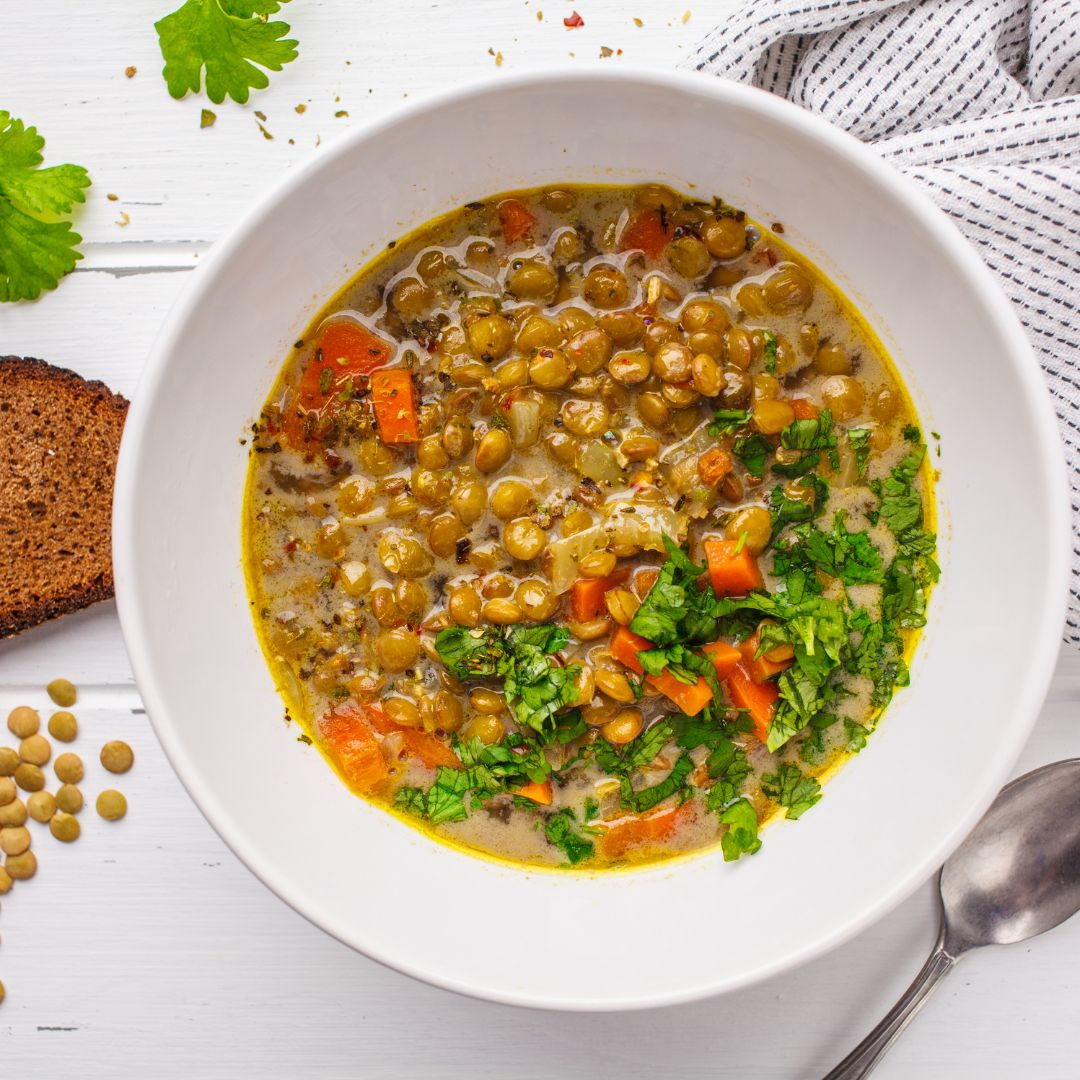
PMOS-Friendly Lentil and Spinach Stew
Many women with PMOS find that meals high in refined carbohydrate leave them hungry or craving sugar soon after. Building meals with protein, fibre, and low-GI carbohydrates helps slow glucose release and support steadier energy.
Pulses such as lentils are naturally low GI and high in fibre and protein, which can help moderate post-meal blood glucose.
Lentils
Plant protein plus soluble fibre slow carbohydrate absorption and support fullness. As a low-GI pulse, lentils are a useful base for blood-sugar-friendly meals.
Spinach
Very low in carbohydrate and a source of magnesium and folate, nutrients involved in energy metabolism and general health.
Onion and garlic
Add natural flavour. Emerging human research suggests garlic may improve some metabolic markers (glucose/insulin indices) in certain adult groups.
Tomatoes
Provide vitamin C and carotenoids such as lycopene, contributing to an overall nutrient-dense, plant-forward pattern.
Serves: 2–3
Ingredients
Method
Serving suggestions and variations
Get more blood sugar-friendly recipes by joining our free private Facebook group – PMOS Unlocked – or check the Recipes section of the blog.
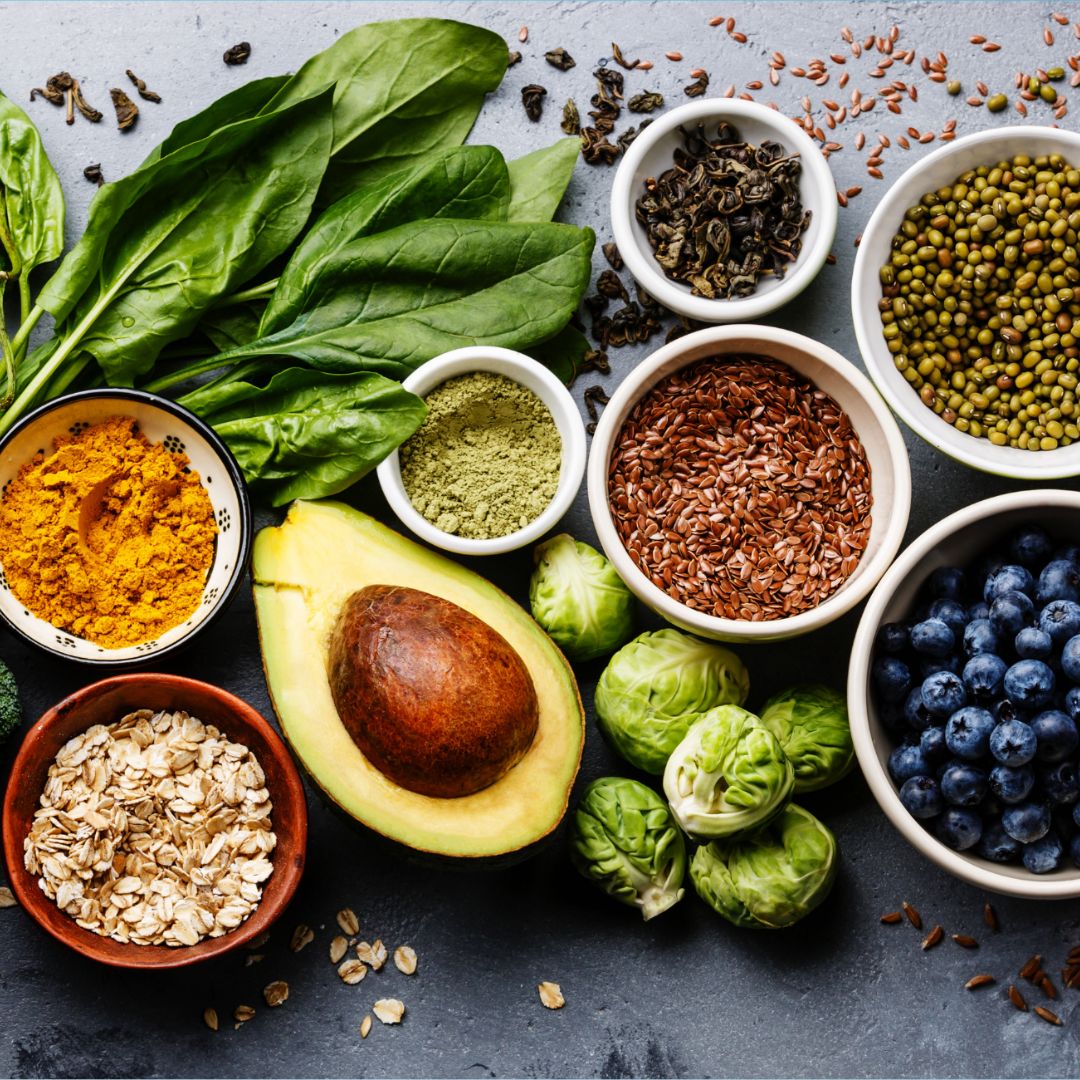
5 Simple Food Swaps to Beat Sugar Cravings with PMOS
Many women with PMOS describe feeling stuck in a cycle of cravings, fatigue, and energy dips. I often hear clients say things like:
These are signs that your blood sugar might be fluctuating more than it should be. When blood sugar rises quickly after eating, the pancreas releases insulin to move glucose into your cells for energy. Over time, repeated spikes can make the body less responsive to insulin’s signal — a key feature of PMOS known as insulin resistance.
Balancing blood sugar helps reduce cravings, stabilise energy, and support hormone regulation. And the good news is, it doesn’t mean cutting out all carbohydrates! We just need to make a few simple swaps that help your body use energy more efficiently.
Swap 1: White carbs → colourful veggies and legumes
Refined carbohydrates such as white bread, pasta, or rice are digested quickly, leading to sharp rises in blood sugar and insulin. Replacing some of these with non-starchy vegetables and fibre-rich legumes can help keep blood sugar steady and provide more vitamins, minerals, and antioxidants.
Try switching to:
Vegetables and legumes add fibre, colour, and texture to meals while supporting healthy digestion and a more balanced insulin response. For ideas, see our Courgetti – Three Ways recipe.
Swap 2: Sugary snacks → protein-based snacks
That mid-afternoon biscuit or cereal bar may give a quick lift, but it often leads to a crash soon after. Protein slows digestion and releases glucose gradually, helping you stay satisfied for longer.
Try replacing sugary snacks with:
A little protein between meals helps stabilise mood and energy while reducing the urge to reach for something sweet.
Swap 3: Fruit juice → fruit paired with protein
Fruit juice, even when labelled “100% pure”, contains concentrated sugars without the fibre that helps slow absorption. This can cause a quick rise and fall in blood sugar.
Whole fruit is a better option, especially when paired with protein or healthy fats to keep energy steady. For example:
Pairing fruit with protein supports satiety and smoother energy through the morning or afternoon.
Swap 4: Sugary breakfasts → savoury, protein-rich breakfasts
Starting the day with a sugary cereal or pastry may feel comforting, but it often leads to mid-morning energy dips. A savoury, protein-rich breakfast balances blood sugar and supports hormone health throughout the day.
Try options like:
These breakfasts combine protein, healthy fats, and fibre to help you stay full, focused, and energised.
Swap 5: Processed ready meals → simple home-prepped meals
Ready meals are convenient but often contain refined oils, added sugars, and low-quality fats that can make blood sugar harder to manage.
Cooking simple meals at home doesn’t need to be complicated. Start small:
Even one or two home-cooked meals each week can help improve energy, digestion, and overall wellbeing.
Small changes, big impact
Balancing blood sugar isn’t about restriction or perfection, it’s about consistency. Small, everyday swaps can support steadier energy, reduce cravings, and make it easier to manage PMOS symptoms in the long term.
Try one or two of these swaps this week and notice how your body responds. Over time, these small steps can make a real difference to your energy, mood, and hormonal balance.
For more on managing symptoms, visit my blog on PMOS Symptoms.
If you’re ready to balance your blood sugar and feel more energised, book a free discovery call to explore how a personalised nutrition plan can support your PMOS journey.
This article is for educational purposes only and does not replace medical advice or diagnosis.
PMOS and Insulin Resistance: What You Need to Know
What is insulin resistance?
Insulin is a hormone made by your pancreas that helps move glucose (sugar) from your blood into your body’s cells, where it can be used for energy. When, over time and with increased levels, cells in the muscles, liver, and fat tissue become less responsive to insulin’s signal, your pancreas compensates by releasing more. This is called insulin resistance.
Over time, if insulin levels stay high (known as hyperinsulinaemia), the system becomes strained. This increases the risk of higher blood sugar levels and, in the long term, type 2 diabetes.
The latest international PMOS guidelines highlight that insulin resistance is a common feature of PMOS and recommend assessing blood glucose control with an oral glucose tolerance test (OGTT), rather than measuring insulin directly.
Why insulin resistance happens in women with PMOS
Insulin resistance can affect anyone, but it’s especially common in PMOS due to a mix of genetic, hormonal, and metabolic factors, not simply weight or diet.
Key factors include:
1. Cellular insulin signalling changes
Women with PMOS can have differences in how their cells respond to insulin, even at a healthy weight. The muscles and fat tissue don’t take up glucose efficiently, so the pancreas produces more insulin to compensate.
2. Androgen excess
High androgen levels, one of the defining features of PMOS, can reduce how well the body responds to insulin. Meanwhile, high insulin can also drive-up androgen levels, creating a vicious cycle that reinforces both problems.
3. Visceral fat and inflammation
Fat stored around the abdomen produces inflammatory molecules that interfere with insulin’s action. Even small reductions in waist size can make a measurable difference to insulin sensitivity.
4. Genetic predisposition
Insulin resistance and type 2 diabetes often run in families. Genetic factors linked to PMOS can affect how the body regulates insulin and glucose metabolism.
5. Cellular energy and oxidative stress
Emerging research suggests that reduced mitochondrial efficiency (how cells produce energy) and oxidative stress can also impair insulin function in women with PMOS.
These overlapping mechanisms explain why insulin resistance can occur in both lean and overweight women with PMOS, and why it requires a personalised, whole-body approach.
Why hyperinsulinaemia makes PMOS symptoms worse
Persistently high insulin levels can influence other hormone systems and worsen many PMOS symptoms.
Androgen excess
High insulin stimulates the ovaries to produce more testosterone and lowers sex hormone-binding globulin (SHBG), increasing the amount of active testosterone in circulation. This contributes to acne, oily skin, and excess hair growth.
Ovulation disruption
Elevated insulin and androgens can disrupt the hormonal feedback loop needed for ovulation, leading to irregular or absent periods and difficulty conceiving.
Weight management challenges
Insulin promotes fat storage, especially around the abdomen. This creates a cycle where higher insulin makes weight loss more difficult, and higher fat levels worsen insulin resistance.
Cravings and appetite changes
Fluctuating blood sugar and insulin can disrupt hunger hormones such as leptin and ghrelin, leading to intense sugar cravings and a feeling of never feeling full.
Mood and energy
Blood sugar swings can affect energy and concentration. Many women report fatigue, brain fog, or irritability that improve once blood sugar becomes more stable.
Signs and symptoms of insulin resistance
Insulin resistance develops gradually, so it’s easy to miss. While there is no single symptom, these patterns are common among women with PMOS:
Recognising these early signs allows you to take proactive steps through nutrition and lifestyle before complications develop.
Practical next steps if you’re concerned
If several of these symptoms sound familiar, here are steps to support metabolic and hormonal balance – but always seek guidance from your GP or a registered nutrition professional before making major changes.
Request appropriate testing
Ask your GP whether an Oral Glucose Tolerance Test (OGTT) is suitable for you. It’s the most sensitive way to assess glucose handling in PMOS.
Review your wider metabolic picture
Blood pressure, cholesterol, liver function, and waist measurement all contribute to understanding overall metabolic health.
Focus on balanced eating
There is no single “best” diet for PMOS, despite what influencers might try and tell you! It depends on the individual. However, it is best to focus on:
Over-restricting carbohydrates can cause fatigue and cravings, so aim for balance rather than extremes.
Move regularly
Regular movement improves insulin sensitivity. A combination of brisk walking, cycling, or swimming along with weight or strength training offers broad benefits. Consistency matters more than intensity.
Prioritise sleep and stress management
Poor sleep and chronic stress raise cortisol, which can worsen insulin resistance. Good sleep hygiene and simple stress-reduction techniques can make a noticeable difference.
Insulin resistance and diabetes risk
Research shows that women with PMOS are at a higher risk of developing impaired glucose tolerance and type 2 diabetes, even at a healthy weight. This happens because insulin resistance often develops earlier and progresses more quickly in PMOS. Studies show that women with PMOS have a four- to eight-fold increased risk of type 2 diabetes compared with women without PMOS.
Over time, if insulin levels stay high, the pancreas may struggle to keep up with demand, leading to rising blood glucose. Early identification and consistent lifestyle changes can significantly reduce this risk.
Regular blood sugar checks and ongoing metabolic monitoring are therefore key parts of long-term PMOS care. The goal isn’t restriction - it’s understanding and prevention.
For a refresher on the fundamentals, see What is PMOS?
If you’d like to understand your blood sugar and hormone balance better, book a consultation to create a tailored, evidence-based nutrition and lifestyle plan designed to support PMOS and insulin sensitivity.
This article is for educational purposes only and does not replace medical advice or diagnosis.

Are you saying I’m cranky?
Tackling Mood and PMOS
For many women with PMOS, irregular or absent periods are more than just a medical symptom. They can bring uncertainty, frustration, and even a sense of disconnection from your body. Some women I’ve worked with have described feeling “broken” or anxious about not knowing when their period will arrive, while others feel dismissed when their concerns are minimised by healthcare providers.
These emotional experiences are valid. Understanding the impact of irregular cycles is an important step in caring for both your physical and mental health.
Why irregular cycles affect emotions
Menstrual cycles are guided by a rhythm of hormonal changes that influence not only reproduction but also mood, energy, and mental wellbeing. In PMOS, irregular or absent ovulation means these hormones often do not follow their usual patterns. Instead of a predictable rise and fall of oestrogen and progesterone, women may experience fluctuating oestrogen with little or no progesterone to balance it.
This disruption can lead to:
Rather than being “all in your head,” these experiences are rooted in the biology of PMOS, which helps explain why mood changes are so common.
Research has shown that women with PMOS are significantly more likely to experience mood difficulties. One large UK survey reported that around 50% of women with PMOS met criteria for anxiety and nearly 14% experienced depression using standard screening tools. Other international studies have found that more than half of women with PMOS report depressive symptoms, with around a quarter experiencing anxiety symptoms. These rates are substantially higher than in women without PMOS, highlighting the very real emotional burden of the condition.
How hormonal changes influence mood
Alongside the unpredictability of cycles, hormonal imbalances themselves can affect emotional wellbeing.
These hormonal dynamics help explain why women with PMOS may experience more frequent or intense mood changes, beyond the emotional impact of irregular cycles alone.
PMS and PMOS
Premenstrual syndrome (PMS) describes the physical and emotional symptoms that occur in the days before a period. These may include mood swings, irritability, bloating, and breast tenderness. In PMOS, PMS can sometimes feel more severe.
Because cycles are often longer and ovulation less frequent, progesterone levels can remain low while oestrogen fluctuates. This imbalance contributes to symptoms such as heightened irritability, anxiety, and sleep disturbance. The unpredictability of cycles can also mean PMS arrives unexpectedly, adding to distress.
While PMS is very common, if symptoms are severe or interfere with daily life, it is important to discuss them with a healthcare professional.
When PMS becomes PMDD
For some women, premenstrual symptoms go beyond PMS and develop into premenstrual dysphoric disorder (PMDD), a recognised mood disorder. PMDD causes severe emotional symptoms such as intense mood swings, depression, irritability, or anxiety in the luteal phase of the cycle (the two weeks before menstruation).
Although research into PMDD in PMOS is still developing, the hormonal irregularities of PMOS may increase vulnerability in some women. If you suspect PMDD, it is important to speak to your GP. Diagnosis usually involves symptom charting across several cycles, and treatment options can include medical, psychological, and lifestyle approaches.
You do not need to suffer in silence. Support is available, and seeking help is an important step towards improving quality of life.
The impact of feeling dismissed
A common theme for many women with PMOS is feeling unheard when they raise concerns. Being told “it’s just irregular periods” or “come back when you’re trying for a baby” can feel incredibly invalidating. Over time, this can add to feelings of isolation and frustration.
Recognising that these concerns are legitimate – and that your emotional wellbeing matters as much as your physical symptoms – is an important part of managing PMOS.
Supportive ways to cope with cycle unpredictability
While irregular cycles cannot always be fully controlled, there are ways to feel more grounded and supported:
These strategies cannot change the underlying hormonal patterns alone, but they can restore a sense of control and self-compassion.
When to seek professional input
If irregular cycles, PMS, or possible PMDD are causing distress or interfering with daily life, it may help to seek support. A GP can investigate medical options, while a nutrition practitioner can help you explore evidence-based ways to support hormone balance.
It is important to remember that you deserve support not just for your physical health, but also for the emotional impact of living with PMOS. If you’d like to chat further, why not book a free call?
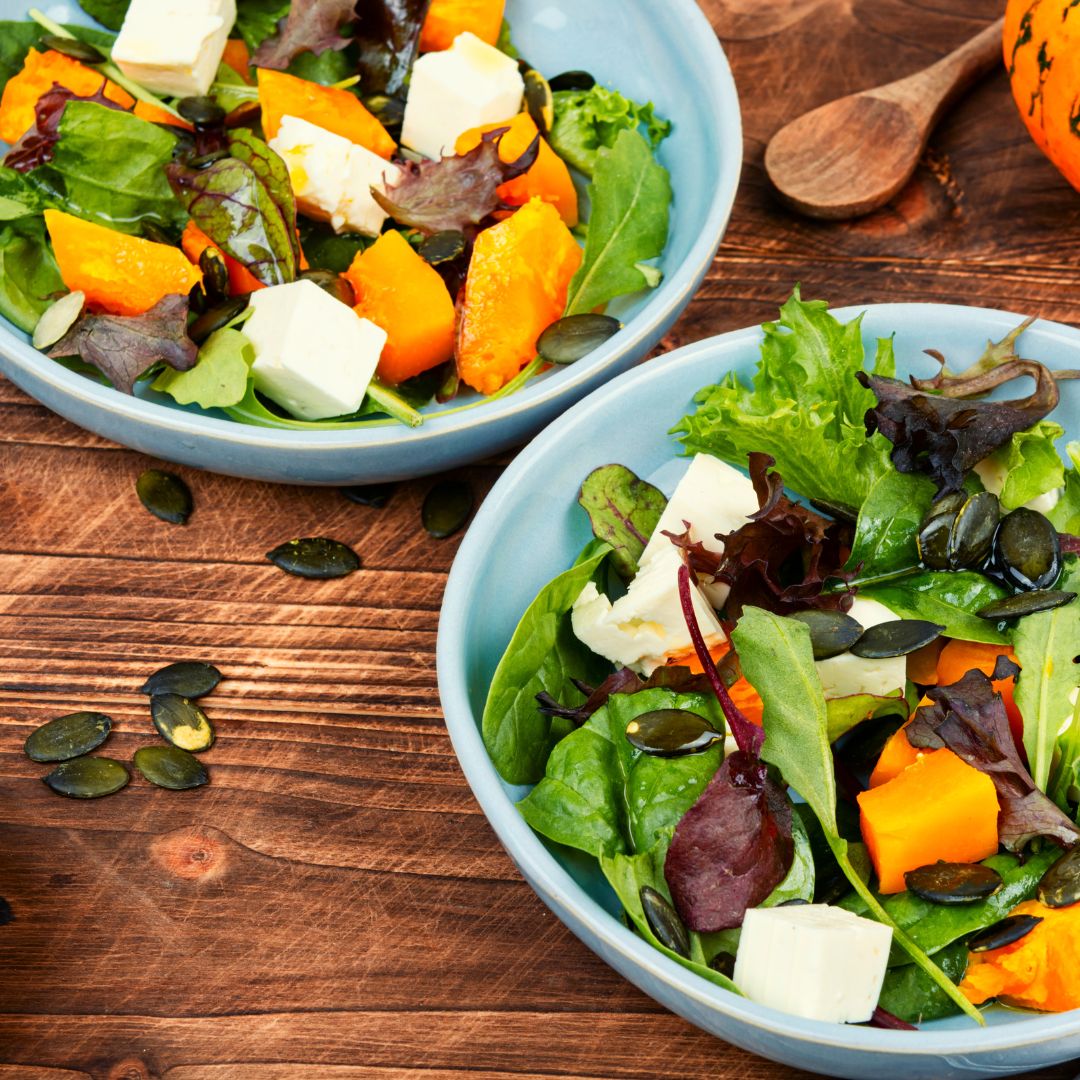
Autumn Nourish Bowl with Pumpkin, Quinoa, and Seeds
When autumn arrives, many of us look for food that feels comforting but still nourishing. This recipe combines roasted pumpkin with quinoa, greens, and seeds - and adds either salmon or tofu - to create a colourful bowl with around 30g protein per portion. The ingredients have been chosen to support healthy ovulation, hormone balance, and steady energy for women with PMOS.
Why this recipe supports ovulation in PMOS
Ovulation can be disrupted in PMOS due to hormonal imbalances, insulin resistance, and inflammation. While food is absolutely not a cure, balanced meals can provide the nutrients needed for healthier cycles.
This nourish bowl offers:
Key ingredients and their benefits for ovulation
Serves 2
Ingredients:
Protein option (choose one):
For the tahini dressing:
Method:
How to adapt this bowl for your needs
By building your bowl with a base of protein, fibre, healthy fats, and colourful vegetables, you’ll nourish your body and support healthy ovulation.
Want more practical recipe ideas to support healthy ovulation with PMOS? Book a consultation today for personalised nutrition guidance.








For any conditions other than PMOS, please feel free to be in touch with our sister clinic Alex Allan Nutrion
PMOS Clinics is part of the Green Leaf Company (London) Ltd, a limited company registered in England and Wales. Registered number: 10990293
Disclaimer: ‘Please note that nutritional therapy is not medical advice - this should always be sought from your doctor or other medical provider. We aim to work alongside your doctor or GP to provide nutritional and lifestyle advice to support any underlying imbalances.'
Website by Phuse Media - Web Design Southend
