
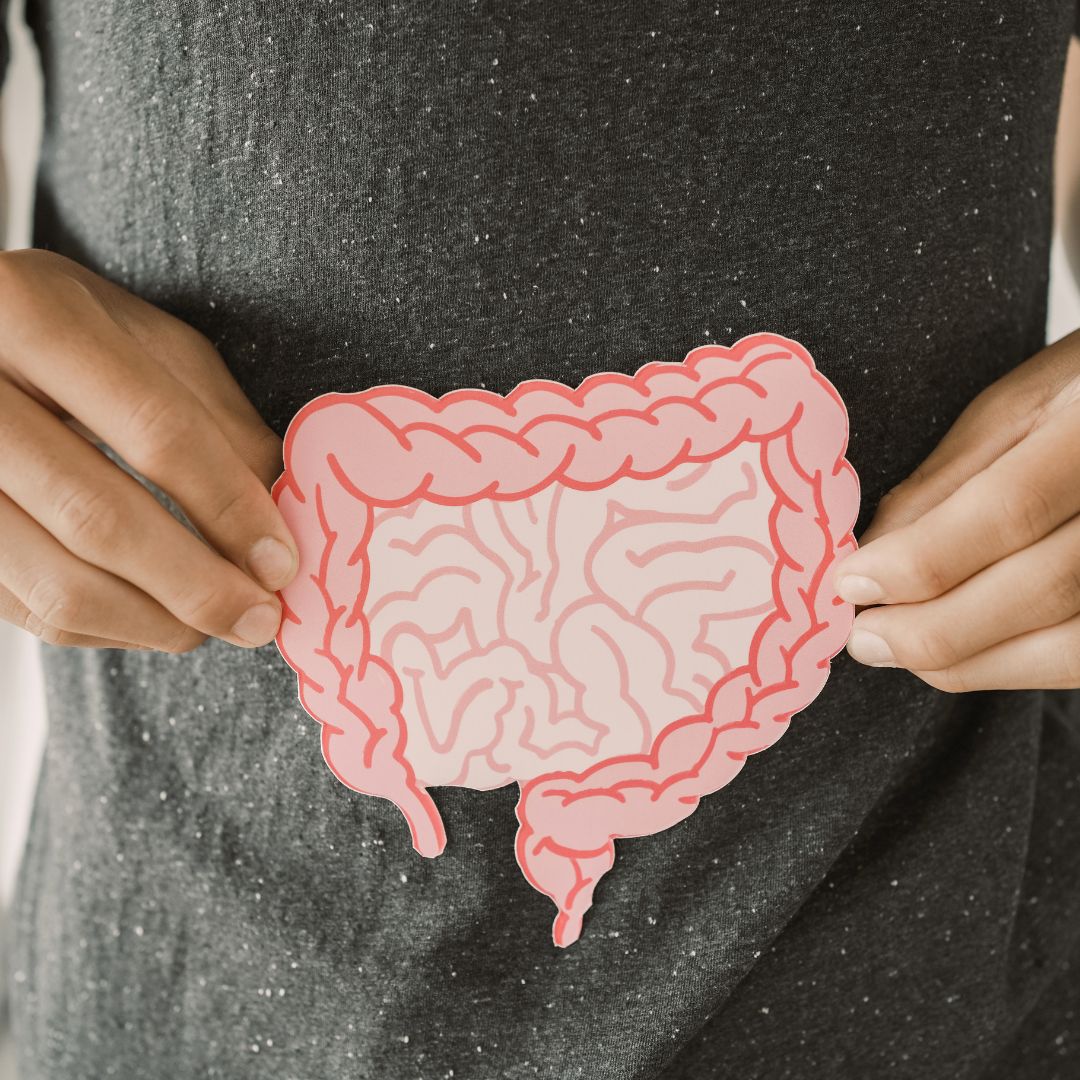
The Gut–Skin Axis in PCOS / PMOS
Skin problems can make it feel as though something is going wrong on the surface. But it’s important to remember that the skin does not operate in isolation. It communicates continually with the immune system, nervous system and endocrine system. It also responds to signals influenced by sleep, stress, blood sugar regulation, nutrient status and the trillions of microorganisms living in the digestive tract.
This network of communication is often described as the gut–skin axis.
It is an exciting area of research, particularly for people with polycystic ovary syndrome (PCOS), now also known as polyendocrine metabolic ovarian syndrome or PMOS. Both acne and PMOS are associated with changes in inflammation, insulin signalling and microbial communities.
However, the gut–skin axis is also easily oversimplified. Online, acne may be presented as proof of “leaky gut”, candida, parasites or a poorly functioning liver. People may then be encouraged to purchase ‘gut detox’ protocols, probiotic supplements, or highly restrictive diets.
The science does not currently support such a simple explanation.
Research suggests that the gut, hormones, metabolism and skin may influence one another. Understanding what the evidence does and does not show can help you support your digestive and skin health without becoming trapped in another restrictive wellness plan.
How Gut Health Influences Skin
The digestive tract is home to a vast community of bacteria, viruses, fungi and other microorganisms. Together with their genes and the substances they produce, these organisms form the gut microbiome.
The microbiome helps break down parts of food that human digestive enzymes cannot fully process. It also produces metabolites that can interact with the intestinal lining, immune system, liver, brain and metabolic tissues. These effects are not confined to the gut.
One important example is the production of short-chain fatty acids, including acetate, propionate and butyrate. Certain intestinal bacteria make these compounds when they ferment dietary fibres. Short-chain fatty acids help provide energy for cells lining the colon and are involved in maintaining the intestinal barrier. They also interact with immune cells and metabolic signalling pathways. In this way, substances produced in the bowel may influence systems far beyond it, potentially including the skin.
This does not mean that microbial metabolites travel directly to a spot on your chin and cause or cure it. The relationship is more complex. The microbiome may influence the wider biological environment in which the skin is functioning.
The gut microbiome is also involved in the metabolism of bile acids, tryptophan, and dietary polyphenols. These compounds can affect immune activity, glucose regulation and inflammatory signalling.
The intestinal barrier is another area of interest. The cells lining the gut form a selective barrier. They must allow digested nutrients to pass into the circulation while limiting the movement of harmful microorganisms and inflammatory substances.
If this barrier becomes impaired, microbial components may interact more strongly with the immune system. Researchers have proposed that this could contribute to low-grade systemic inflammation and influence inflammatory skin conditions.
What is also interesting to know is that the skin has its own microbiome too. Bacteria, fungi and viruses live on the skin surface and within hair follicles. Their composition varies between oily, dry and moist areas of the body. Rather than simply being harmful, many of these organisms help occupy space, interact with the immune system, and contribute to the skin’s local environment.
One familiar example is Cutibacterium acnes. Despite its name, this bacterium is a normal resident of healthy skin. Acne does not necessarily develop because somebody has “too much” of it. Differences between bacterial strains, the conditions within the blocked follicle, and the way the immune system responds all matter.
The gut–skin axis therefore involves communication between two complex microbial ecosystems, rather than a battle between “good” and “bad” bacteria.
Inflammation, the Microbiome and Acne
Acne is an inflammatory disorder of the hair follicle and sebaceous gland. Androgens can increase sebaceous-gland activity and sebum production. Skin cells may then accumulate within the follicle, creating a blockage. Changes in the follicle environment and microbial activity can activate the immune system, leading to redness, swelling and painful inflammatory lesions.
In PMOS, this may overlap with insulin resistance and higher androgen activity.
Higher insulin concentrations can encourage ovarian androgen production and reduce sex hormone-binding globulin, leaving more testosterone available to act on tissues such as the skin. Insulin and insulin-like growth factor 1 may also influence the sebaceous gland and the cells lining the follicle.
Where does the gut microbiome fit into this? Studies comparing people with and without acne have reported differences in gut microbial composition and diversity. Some have found changes in bacterial groups involved in carbohydrate fermentation, short-chain-fatty-acid production, or immune regulation.
Researchers have also identified differences in the gut microbiome of women with PMOS compared with control groups. A 2024 review found that the overall evidence supports an association between PMOS and altered gut microbial patterns, but the bacterial findings varied substantially between studies. Differences in diet, medication, ethnicity, body composition and methods of analysing stool samples make it difficult to define a single “PMOS microbiome”.
There are several routes through which the microbiome could interact with PMOS and the skin. Microbial metabolites may influence insulin sensitivity, appetite regulation and inflammatory pathways. The microbiome can modify bile acids, which act as signalling molecules as well as helping digest fats. And Intestinal bacteria also influence the metabolism and recycling of some hormones.
These mechanisms are scientifically interesting, but most have not yet been shown to produce a predictable acne pattern in an individual woman with PMOS.
Lifestyle Factors That Support the Gut–Skin Connection
You do not need to know the exact names of your intestinal bacteria to support the gut–skin axis. The most evidence-based approach is to create conditions that generally support digestive, metabolic, and immune health while recognising that acne may still require medical skincare or prescription treatment.
Feed the microbiome through ordinary food
Dietary fibre provides material that intestinal bacteria can ferment. Different microbes prefer different fibres, which is why dietary variety may be more useful than concentrating on one fashionable “superfood”. Include a mixture of vegetables, fruit, beans, lentils, wholegrains, nuts, seeds, herbs and spices according to your tolerance.
Increasing fibre very quickly can worsen bloating, particularly when somebody is constipated or has been eating a low-fibre diet. Build gradually, drink enough fluid and pay attention to digestive comfort.
Plant diversity does not require thirty perfect, freshly prepared foods every week. Frozen vegetables, tinned beans, dried herbs, seeds and frozen berries all contribute.
Support blood sugar without fearing carbohydrates
Blood sugar regulation links the gut–skin discussion with PMOS metabolism. Meals dominated by rapidly digested carbohydrates may lead to a greater glucose and insulin response. Higher insulin can interact with androgen production and skin signalling.
Combine carbs with protein, fibre and healthy fats to prevent the insulin spike. For example, add eggs or Greek yoghurt to breakfast, beans or chicken to lunch, and fish, tofu, lentils or meat to an evening meal.
Choose less refined carbohydrate sources more often, while allowing flexibility for enjoyment and social eating. A supportive eating pattern should not require fear of bread, potatoes, fruit or an occasional dessert.
Consider fermented foods, but do not force them
Live yoghurt, kefir, sauerkraut, kimchi and other traditionally fermented foods can introduce microbial and chemical variety into the diet.
They can be included where enjoyed and tolerated, but they are not essential. Some people find that fermented foods aggravate digestive or histamine-related symptoms. There is no benefit in forcing down kimchi every day because social media has labelled it a gut-health requirement.
Look beyond food
The gut and skin both respond to the wider environment. Sleep disruption can impair glucose regulation, affect appetite and alter inflammatory signalling. Stress can influence the gut through the nervous system, changes in motility and altered digestive secretions. It can also exacerbate acne through neuroendocrine and inflammatory pathways.
Regular movement supports insulin sensitivity and bowel motility. It may also help regulate stress and sleep, although sweat, friction and occlusive clothing can irritate acne-prone areas in some people. Showering after exercise and changing out of damp clothing may help.
Treat digestive symptoms as symptoms, not a detox problem
Persistent bloating, pain, diarrhoea, constipation, reflux or a marked change in bowel habit deserves proper assessment.
Digestive symptoms can have many causes, including irritable bowel syndrome (IBS), coeliac disease, inflammatory bowel disease, medication effects, pelvic-floor difficulties and changes in food intake. So, it’s important to get it checked out. Seek medical advice for unexplained weight loss, blood in the stool, persistent vomiting, or a sustained change in bowel habits.
You can read more about the wider relationship between digestion, insulin and hormone metabolism in Why Gut Health Matters in PMOS. For a fuller explanation of androgen activity, insulin resistance and sebaceous-gland changes, see Acne and PMOS.
At PMOS Clinics, we look at skin concerns alongside your digestive symptoms, menstrual cycle, nutrition, sleep, stress, medication, and health history. The aim is to identify realistic areas where personalised nutrition and lifestyle support may complement appropriate medical and dermatological care.
Book a Gut and Skin Health Consultation to explore the connections between your digestive health, hormones and skin symptoms.
This article is for educational purposes and does not provide medical diagnosis or treatment. Nutritional therapy works alongside, rather than instead of, care from your GP, dermatologist or other qualified healthcare professional. Seek medical advice for painful, rapidly worsening or scarring acne, significant digestive symptoms, sudden changes in androgen-related symptoms or concerns about your mental wellbeing.







For any conditions other than PMOS, please feel free to be in touch with our sister clinic Alex Allan Nutrion
PMOS Clinics is part of the Green Leaf Company (London) Ltd, a limited company registered in England and Wales. Registered number: 10990293
Disclaimer: ‘Please note that nutritional therapy is not medical advice - this should always be sought from your doctor or other medical provider. We aim to work alongside your doctor or GP to provide nutritional and lifestyle advice to support any underlying imbalances.'
Website by Phuse Media - Web Design Southend
