
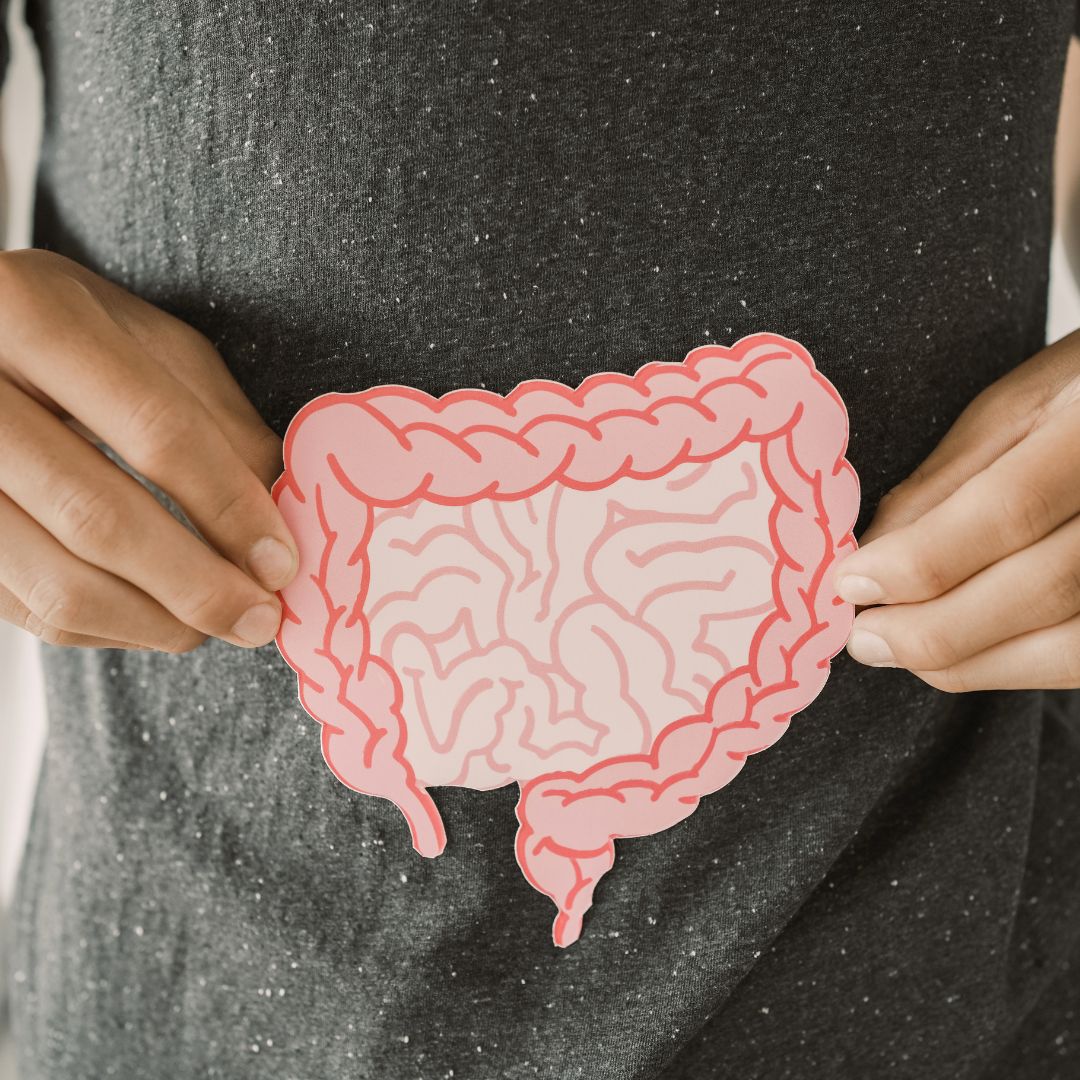
The Gut–Skin Axis in PCOS / PMOS
Skin problems can make it feel as though something is going wrong on the surface. But it’s important to remember that the skin does not operate in isolation. It communicates continually with the immune system, nervous system and endocrine system. It also responds to signals influenced by sleep, stress, blood sugar regulation, nutrient status and the trillions of microorganisms living in the digestive tract.
This network of communication is often described as the gut–skin axis.
It is an exciting area of research, particularly for people with polycystic ovary syndrome (PCOS), now also known as polyendocrine metabolic ovarian syndrome or PMOS. Both acne and PMOS are associated with changes in inflammation, insulin signalling and microbial communities.
However, the gut–skin axis is also easily oversimplified. Online, acne may be presented as proof of “leaky gut”, candida, parasites or a poorly functioning liver. People may then be encouraged to purchase ‘gut detox’ protocols, probiotic supplements, or highly restrictive diets.
The science does not currently support such a simple explanation.
Research suggests that the gut, hormones, metabolism and skin may influence one another. Understanding what the evidence does and does not show can help you support your digestive and skin health without becoming trapped in another restrictive wellness plan.
How Gut Health Influences Skin
The digestive tract is home to a vast community of bacteria, viruses, fungi and other microorganisms. Together with their genes and the substances they produce, these organisms form the gut microbiome.
The microbiome helps break down parts of food that human digestive enzymes cannot fully process. It also produces metabolites that can interact with the intestinal lining, immune system, liver, brain and metabolic tissues. These effects are not confined to the gut.
One important example is the production of short-chain fatty acids, including acetate, propionate and butyrate. Certain intestinal bacteria make these compounds when they ferment dietary fibres. Short-chain fatty acids help provide energy for cells lining the colon and are involved in maintaining the intestinal barrier. They also interact with immune cells and metabolic signalling pathways. In this way, substances produced in the bowel may influence systems far beyond it, potentially including the skin.
This does not mean that microbial metabolites travel directly to a spot on your chin and cause or cure it. The relationship is more complex. The microbiome may influence the wider biological environment in which the skin is functioning.
The gut microbiome is also involved in the metabolism of bile acids, tryptophan, and dietary polyphenols. These compounds can affect immune activity, glucose regulation and inflammatory signalling.
The intestinal barrier is another area of interest. The cells lining the gut form a selective barrier. They must allow digested nutrients to pass into the circulation while limiting the movement of harmful microorganisms and inflammatory substances.
If this barrier becomes impaired, microbial components may interact more strongly with the immune system. Researchers have proposed that this could contribute to low-grade systemic inflammation and influence inflammatory skin conditions.
What is also interesting to know is that the skin has its own microbiome too. Bacteria, fungi and viruses live on the skin surface and within hair follicles. Their composition varies between oily, dry and moist areas of the body. Rather than simply being harmful, many of these organisms help occupy space, interact with the immune system, and contribute to the skin’s local environment.
One familiar example is Cutibacterium acnes. Despite its name, this bacterium is a normal resident of healthy skin. Acne does not necessarily develop because somebody has “too much” of it. Differences between bacterial strains, the conditions within the blocked follicle, and the way the immune system responds all matter.
The gut–skin axis therefore involves communication between two complex microbial ecosystems, rather than a battle between “good” and “bad” bacteria.
Inflammation, the Microbiome and Acne
Acne is an inflammatory disorder of the hair follicle and sebaceous gland. Androgens can increase sebaceous-gland activity and sebum production. Skin cells may then accumulate within the follicle, creating a blockage. Changes in the follicle environment and microbial activity can activate the immune system, leading to redness, swelling and painful inflammatory lesions.
In PMOS, this may overlap with insulin resistance and higher androgen activity.
Higher insulin concentrations can encourage ovarian androgen production and reduce sex hormone-binding globulin, leaving more testosterone available to act on tissues such as the skin. Insulin and insulin-like growth factor 1 may also influence the sebaceous gland and the cells lining the follicle.
Where does the gut microbiome fit into this? Studies comparing people with and without acne have reported differences in gut microbial composition and diversity. Some have found changes in bacterial groups involved in carbohydrate fermentation, short-chain-fatty-acid production, or immune regulation.
Researchers have also identified differences in the gut microbiome of women with PMOS compared with control groups. A 2024 review found that the overall evidence supports an association between PMOS and altered gut microbial patterns, but the bacterial findings varied substantially between studies. Differences in diet, medication, ethnicity, body composition and methods of analysing stool samples make it difficult to define a single “PMOS microbiome”.
There are several routes through which the microbiome could interact with PMOS and the skin. Microbial metabolites may influence insulin sensitivity, appetite regulation and inflammatory pathways. The microbiome can modify bile acids, which act as signalling molecules as well as helping digest fats. And Intestinal bacteria also influence the metabolism and recycling of some hormones.
These mechanisms are scientifically interesting, but most have not yet been shown to produce a predictable acne pattern in an individual woman with PMOS.
Lifestyle Factors That Support the Gut–Skin Connection
You do not need to know the exact names of your intestinal bacteria to support the gut–skin axis. The most evidence-based approach is to create conditions that generally support digestive, metabolic, and immune health while recognising that acne may still require medical skincare or prescription treatment.
Feed the microbiome through ordinary food
Dietary fibre provides material that intestinal bacteria can ferment. Different microbes prefer different fibres, which is why dietary variety may be more useful than concentrating on one fashionable “superfood”. Include a mixture of vegetables, fruit, beans, lentils, wholegrains, nuts, seeds, herbs and spices according to your tolerance.
Increasing fibre very quickly can worsen bloating, particularly when somebody is constipated or has been eating a low-fibre diet. Build gradually, drink enough fluid and pay attention to digestive comfort.
Plant diversity does not require thirty perfect, freshly prepared foods every week. Frozen vegetables, tinned beans, dried herbs, seeds and frozen berries all contribute.
Support blood sugar without fearing carbohydrates
Blood sugar regulation links the gut–skin discussion with PMOS metabolism. Meals dominated by rapidly digested carbohydrates may lead to a greater glucose and insulin response. Higher insulin can interact with androgen production and skin signalling.
Combine carbs with protein, fibre and healthy fats to prevent the insulin spike. For example, add eggs or Greek yoghurt to breakfast, beans or chicken to lunch, and fish, tofu, lentils or meat to an evening meal.
Choose less refined carbohydrate sources more often, while allowing flexibility for enjoyment and social eating. A supportive eating pattern should not require fear of bread, potatoes, fruit or an occasional dessert.
Consider fermented foods, but do not force them
Live yoghurt, kefir, sauerkraut, kimchi and other traditionally fermented foods can introduce microbial and chemical variety into the diet.
They can be included where enjoyed and tolerated, but they are not essential. Some people find that fermented foods aggravate digestive or histamine-related symptoms. There is no benefit in forcing down kimchi every day because social media has labelled it a gut-health requirement.
Look beyond food
The gut and skin both respond to the wider environment. Sleep disruption can impair glucose regulation, affect appetite and alter inflammatory signalling. Stress can influence the gut through the nervous system, changes in motility and altered digestive secretions. It can also exacerbate acne through neuroendocrine and inflammatory pathways.
Regular movement supports insulin sensitivity and bowel motility. It may also help regulate stress and sleep, although sweat, friction and occlusive clothing can irritate acne-prone areas in some people. Showering after exercise and changing out of damp clothing may help.
Treat digestive symptoms as symptoms, not a detox problem
Persistent bloating, pain, diarrhoea, constipation, reflux or a marked change in bowel habit deserves proper assessment.
Digestive symptoms can have many causes, including irritable bowel syndrome (IBS), coeliac disease, inflammatory bowel disease, medication effects, pelvic-floor difficulties and changes in food intake. So, it’s important to get it checked out. Seek medical advice for unexplained weight loss, blood in the stool, persistent vomiting, or a sustained change in bowel habits.
You can read more about the wider relationship between digestion, insulin and hormone metabolism in Why Gut Health Matters in PMOS. For a fuller explanation of androgen activity, insulin resistance and sebaceous-gland changes, see Acne and PMOS.
At PMOS Clinics, we look at skin concerns alongside your digestive symptoms, menstrual cycle, nutrition, sleep, stress, medication, and health history. The aim is to identify realistic areas where personalised nutrition and lifestyle support may complement appropriate medical and dermatological care.
Book a Gut and Skin Health Consultation to explore the connections between your digestive health, hormones and skin symptoms.
This article is for educational purposes and does not provide medical diagnosis or treatment. Nutritional therapy works alongside, rather than instead of, care from your GP, dermatologist or other qualified healthcare professional. Seek medical advice for painful, rapidly worsening or scarring acne, significant digestive symptoms, sudden changes in androgen-related symptoms or concerns about your mental wellbeing.
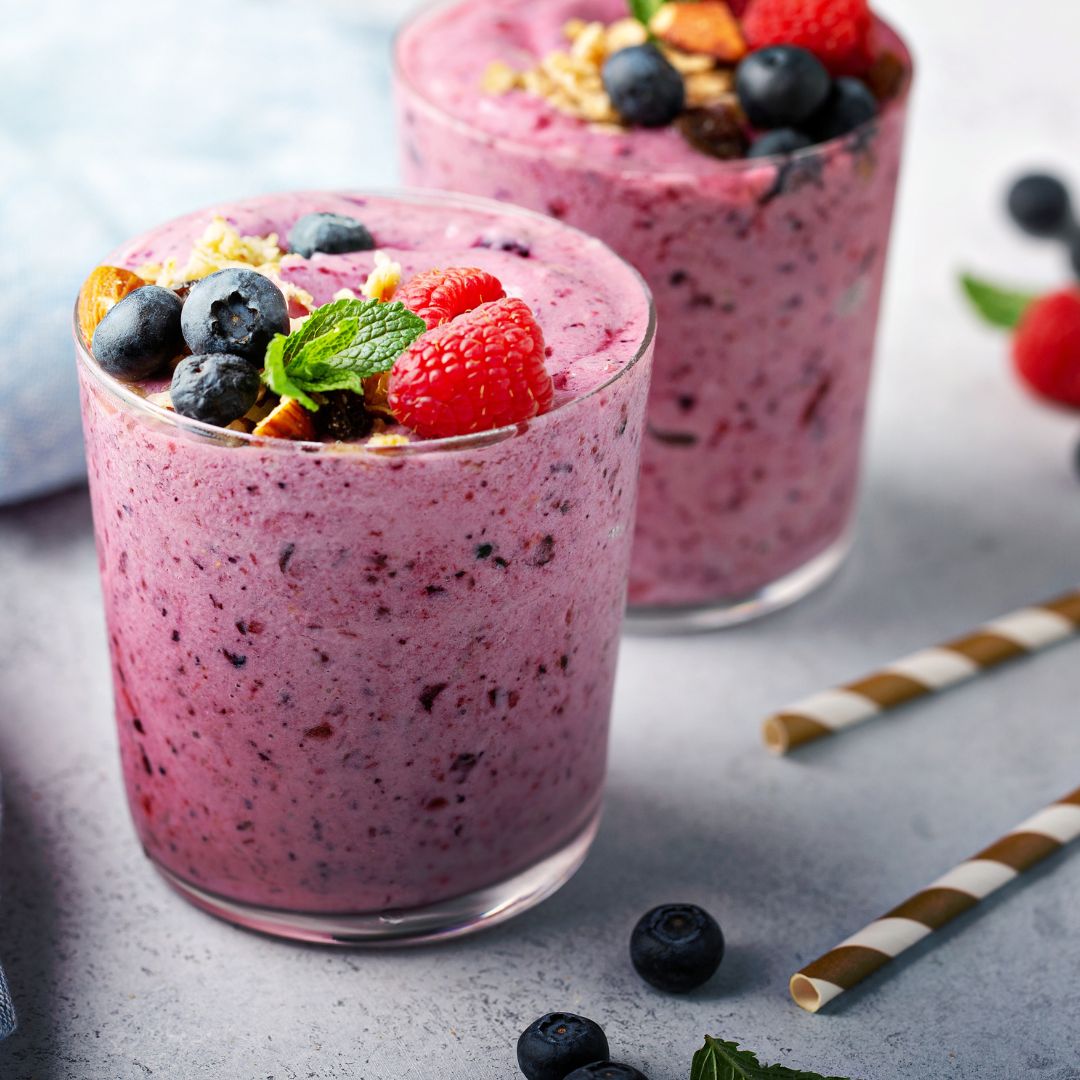
Antioxidant-Rich Summer Berry Smoothie
Cool, colourful and ready in five minutes, this summer berry smoothie makes a refreshing breakfast for warmer mornings.
Unlike smoothies made mainly from fruit juice, this recipe combines whole berries with protein, fibre and beneficial fats. This makes it more satisfying and creates a more balanced breakfast for women with polycystic ovary syndrome (PCOS), now also known as polyendocrine metabolic ovarian syndrome or PMOS.
The combination of mixed berries, protein-rich yoghurt or soya milk, ground flaxseed and chia seeds also provides nutrients involved in normal skin structure, antioxidant defence and digestive health.
It is important not to over-promise what a recipe can do. No smoothie can clear acne or correct a hormonal imbalance by itself. Skin health is influenced by many things including genes, androgen activity, insulin signalling, inflammation, stress and sleep, as well as the wider diet.
However, this smoothie can offer a convenient way to include protein, fibre, omega-3-rich seeds and several colourful plant foods in one meal.
Why Antioxidants Matter for Skin Health
Skin is continually exposed to ultraviolet light, pollution and normal metabolic processes that generate unstable molecules known as free radicals.
The body has its own antioxidant defence systems to manage these molecules. Nutrients and plant compounds obtained through food help support these systems, but antioxidants do not act as a simple internal sunscreen or “detox” treatment.
Berries are particularly rich in a family of polyphenols called anthocyanins. These are the plant pigments responsible for many of their red, purple and blue colours. Research suggests that anthocyanins can interact with antioxidant and inflammatory signalling pathways, although we cannot assume that eating berries will directly treat acne.
Berries also provide vitamin C, which is required for normal collagen formation and contributes to the protection of cells from oxidative stress.
Fresh berries are wonderful in summer, but frozen berries work just as well. They are often less expensive, reduce food waste and make the smoothie naturally cold and thick.
The protein and seeds are just as important as the berries. A fruit-only smoothie may be digested quickly and may not keep you satisfied for long. Adding protein, fat and fibre creates a more complete meal.
Serves 1
Ingredients
Method
Depending on the yoghurt and milk used, the basic recipe provides approximately 20 to 25 grams of protein. Adding a good quality protein powder can bring this closer to 30 grams.
Optional Additions:
To increase the protein
Add one of the following:
Choose a protein powder with a simple ingredient list and no sugars or sweeteners. A pea, soya or blended plant protein can be used if whey or dairy does not suit you.
Whey protein does not cause acne in everybody, but there are reports of acne worsening in some susceptible people after starting whey-based sports supplements. If your skin changed after introducing one, try a non-whey alternative rather than removing all dairy foods without good reason.
To increase the fibre
You could add:
Increase concentrated fibres gradually and drink enough fluid. Adding large amounts suddenly may cause bloating or discomfort.
To make it more filling
Smoothies are convenient, but drinking a meal can feel less satisfying than chewing one.
Make the smoothie thick enough to eat from a bowl and sprinkle with whole nuts and berries, or have it with a couple of boiled eggs, a slice of seeded toast or another protein-rich food if you know that smoothies alone do not keep you full.
You can also explore more balanced breakfasts, snacks and main meals in our PMOS Clinics Recipe Index.
Everyday Nutrition Tips for Clearer Skin
When your skin is breaking out, it is easy to feel as though everything you eat is under suspicion.
Was it the chocolate? The cheese? The coffee? The meal out at the weekend? Should you remove dairy, gluten, sugar, carbohydrates or all of them at once?
Online advice can make acne feel like evidence that you have eaten badly. Yet acne is absolutely not caused by a lack of dietary discipline, and nutrition is just one part of a much larger picture involving hormones, genes, insulin signalling, inflammation, skincare, stress and the skin microbiome.
This is especially important in polycystic ovary syndrome (PCOS), now also known as polyendocrine metabolic ovarian syndrome or PMOS. Acne may be influenced by androgen activity and insulin resistance, but that does not mean that food alone can switch these processes on or off.
The evidence around nutrition and acne is still developing. NICE advises that there is currently insufficient evidence to recommend a specific therapeutic diet for acne. Research suggests that some broad dietary patterns may support metabolic and skin health, particularly when they improve blood sugar regulation and provide adequate protein, essential fats, fibre, minerals and plant nutrients.
The aim is not to create a flawless “clear-skin diet”. It is to build everyday meals that support the environment in which your skin is trying to function.
Why Blood Sugar Balance Matters for Skin
Blood sugar may not seem immediately connected to the pores on your face, but the two can be linked through insulin and insulin-like growth factor 1, usually shortened to IGF-1.
When we eat carbohydrates, they are broken down into glucose, which enters the bloodstream. The pancreas then releases insulin to help move that glucose into cells, where it can be used or stored. This is a normal and essential process. The problem is not carbohydrates themselves. However, meals and snacks dominated by rapidly absorbed carbohydrates may produce a faster rise in blood glucose and require a larger insulin response, particularly when they contain little protein, fibre or fat.
In PMOS, cells may already be less responsive to insulin. The body can compensate by producing more of it, even before blood glucose or HbA1c moves outside the normal laboratory range. Higher insulin levels can stimulate ovarian androgen production and reduce the liver’s production of sex hormone-binding globulin. This may leave more biologically available testosterone able to act on tissues such as the skin. Insulin and IGF-1 can also influence sebaceous-gland activity, skin-cell growth and the processes that contribute to blocked follicles.
Several small trials have found that lower-glycaemic-load diets may reduce acne lesion counts or alter acne-related hormonal signals. A systematic review concluded that high glycaemic index and glycaemic load diets may have an acne-promoting effect, although the studies were relatively small and did not specifically focus on women with PMOS.
This does not mean adopting a very low-carbohydrate diet or removing fruit, potatoes, oats and wholegrains entirely. It means changing the way carbohydrates appear within the meal.
Begin with a useful question: What can I add to make this meal more balanced?
For example:
For many women with PMOS, three satisfying meals containing around 25 to 30 grams of protein can also reduce the need to graze throughout the day. This is not a rigid rule, and individual needs vary, but protein can make meals more filling and slow the overall digestion of the meal.
Rather than judging your skin after one meal, look at patterns over several weeks. Skin changes slowly, and acne naturally fluctuates with the menstrual cycle, stress, sleep, skincare and treatment. A single breakout the morning after eating something does not prove that the food caused it.
Nutrients That Support Skin Health
Skin is constantly renewing itself. It needs amino acids to build proteins, fats to maintain cell membranes and the skin barrier, and vitamins and minerals to support antioxidant defence, wound healing and normal immune function.
This does not make every nutrient a treatment for acne. It does mean that repeatedly under-eating, skipping meals or following a highly restricted diet may leave the skin without the full range of materials it needs.
Make protein a foundation
Protein supplies amino acids needed for the formation and repair of skin tissue. It also helps balance meals and may support steadier blood glucose.
Useful sources include fish, poultry, eggs, Greek or natural yoghurt, cottage cheese, tofu, tempeh, beans, lentils, edamame, lean meat, seafood and good-quality protein powders.
You do not need to eat an enormous chicken breast at every meal. Protein can be spread across the day and combined from several sources. A bowl containing lentils, quinoa and seeds, for example, may provide protein from more than one ingredient.
One acne-related consideration is whey protein. Case reports and observational evidence have linked whey-based sports supplements with acne in some susceptible people, although good-quality controlled research is limited. If acne began or noticeably worsened after introducing a whey protein shake, it may be worth discussing an alternative with a nutritional professional rather than removing all dairy automatically.
Include omega-3 fats regularly
Omega-3 fats are incorporated into cell membranes and help regulate the production of inflammatory signalling molecules. The most directly usable forms, EPA and DHA, are found predominantly in oily fish.
Good sources include salmon, sardines, mackerel, trout, herring and anchovies. Plant foods such as flaxseed, chia seeds and walnuts provide alpha-linolenic acid, or ALA, although only a limited proportion is converted into EPA and DHA.
A 2024 study followed 60 people with mild-to-moderate acne who were encouraged to follow a Mediterranean-style diet and were given omega-3 supplements. Acne severity improved over 16 weeks, particularly among those who reached the study’s target omega-3 status. However, the study was small, had no separate placebo group and combined dietary changes with supplementation, so it cannot prove that omega-3 alone caused the improvement.
A sensible food-first target is to include oily fish two or three times per week where appropriate. People who do not eat fish may obtain omega-3 from algae-based products, but supplements should be considered individually, particularly when taking medication or during pregnancy.
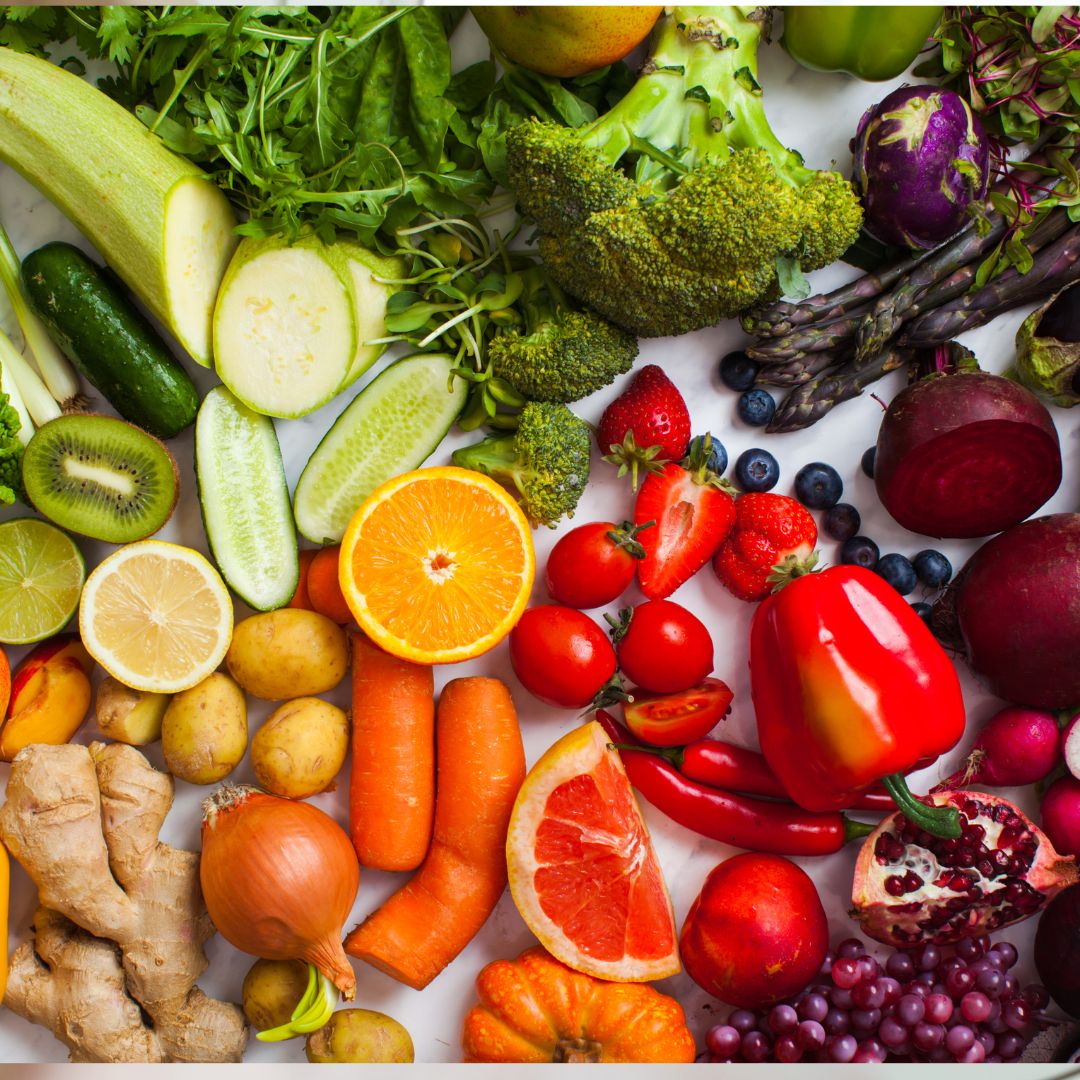
Eat the rainbow, but not because it “detoxes” your skin
Colourful plant foods supply vitamin C, carotenoids and polyphenols, which participate in antioxidant and inflammatory-regulation systems.
Vitamin C is also required for collagen formation and wound healing. Sources include peppers, berries, kiwi fruit, citrus fruit, broccoli, tomatoes, cabbage and leafy greens.
Rather than searching for the single best fruit for acne, aim for variety. Frozen berries, tinned tomatoes, frozen spinach and pre-chopped vegetables still count. A realistic colourful diet is more useful than an expensive fridge full of produce that goes uneaten.
Try to include two or three different plant colours at a main meal. This might look like berries and seeds at breakfast, tomatoes and rocket at lunch, or broccoli, red pepper and herbs with dinner.
Think food first for zinc
Zinc contributes to normal immune function, wound healing, cell division and antioxidant protection. Some studies have found lower average zinc concentrations in people with acne, while a meta-analysis reported that oral zinc may reduce inflammatory papules. However, the trials varied considerably in dose, zinc form and quality.
Food sources include oysters and other shellfish, meat, poultry, cheese, eggs, pumpkin seeds, beans, lentils, tofu and wholegrains.
This is one area where “more” is not necessarily better. High-dose zinc supplements can cause nausea and interfere with copper absorption. Supplementation should therefore be based on individual need rather than added automatically to a generic skin programme.
Foods That Help Support the Gut–Skin Connection
The gut and skin are separate organs, each with its own microbial community, barrier and immune system. However, both communicate with the immune and metabolic systems, leading researchers to explore what has become known as the gut–skin axis.
An evidence-informed approach is to feed the gut microbiome through ordinary foods. Dietary fibre reaches the large intestine, where certain bacteria can ferment it and produce short-chain fatty acids. These compounds help support the intestinal lining and interact with immune and metabolic pathways.
Useful fibre-rich foods include:
Variety matters because different microbes use different carbohydrates and plant compounds. Instead of suddenly eating enormous amounts of fibre, increase it gradually and drink enough fluid, especially if you are prone to bloating or constipation.
Fermented foods can add further microbial and dietary variety. Examples include live yoghurt, kefir, sauerkraut, kimchi, miso and traditionally fermented vegetables. They are not compulsory, and they may not suit everyone, particularly during a digestive flare or where histamine-containing foods are poorly tolerated.
Dairy
It is also worth being cautious about blaming dairy as a whole food group.
Observational studies have found associations between milk intake, particularly skimmed milk, and acne. However, these studies cannot establish that milk directly caused the acne, and findings for yoghurt and cheese are less consistent. Removing dairy unnecessarily may reduce calcium, iodine and protein intake, especially in women who already have a limited diet.
If you strongly suspect a relationship, keep a symptom record and seek guidance before making a long-term exclusion. Where dairy is removed, use nutritionally appropriate alternatives rather than simply replacing yoghurt with a low-protein coconut product.
Ultimately, the most useful nutrition pattern for skin health is unlikely to be dramatic. It will usually look like regular balanced meals, plenty of varied plants, sufficient protein, beneficial fats, fibre-rich carbohydrates and fewer meals dominated by highly refined carbohydrates.
Acne may still require medical skincare or prescription treatment. Nutrition is best viewed as supportive care rather than a replacement for your GP, pharmacist or dermatologist.
And if you’d like to investigate how nutrition and lifestyle changes may be able to help with your acne, why not book a free call?
This article is for educational purposes and does not provide medical diagnosis or treatment. Nutritional therapy works alongside medical and dermatological care. Please speak to your GP or dermatologist about painful, persistent, rapidly worsening or scarring acne, significant pigmentation, sudden androgen-related symptoms, or acne that is affecting your mental wellbeing.
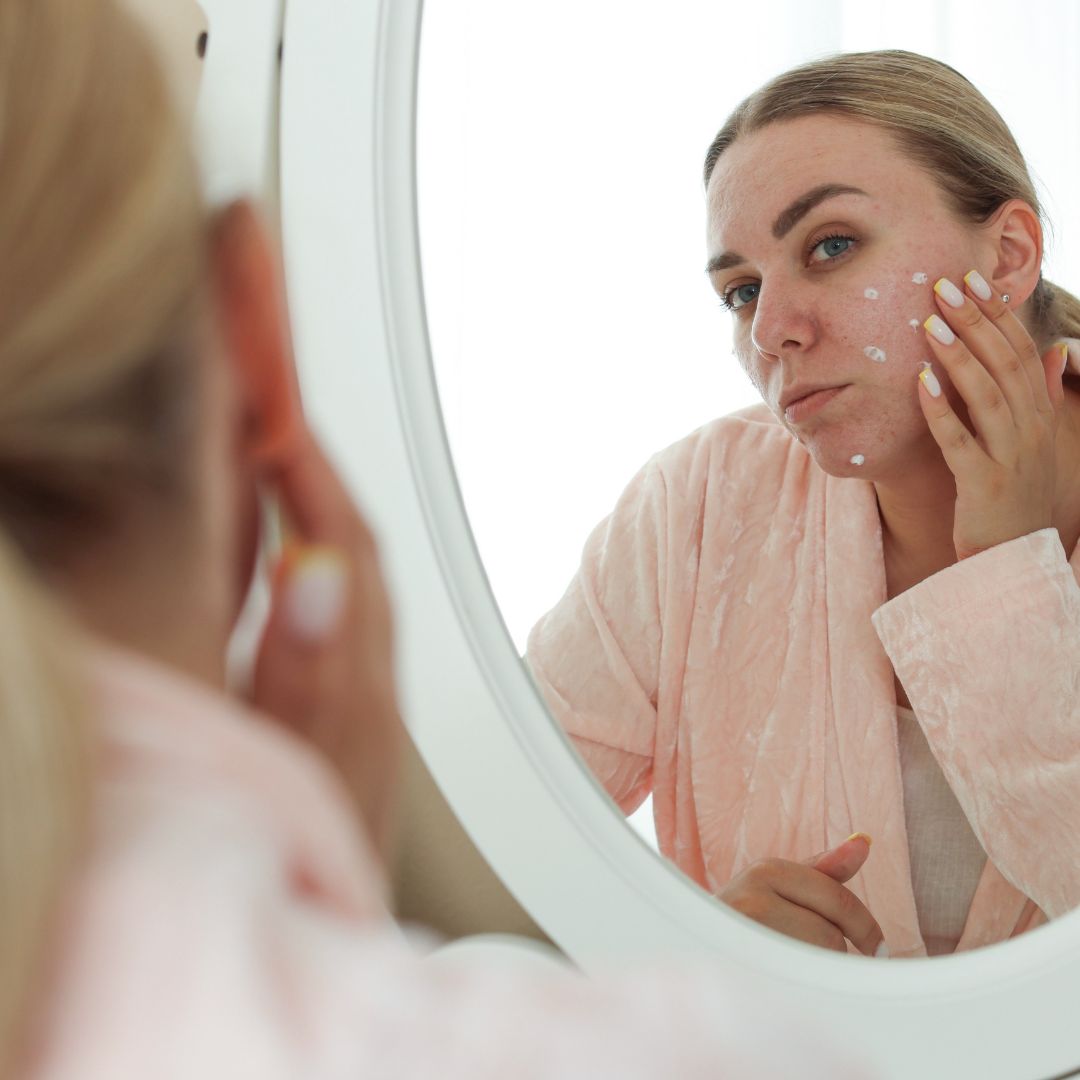
Acne and PMOS
Acne can be one of the most visible and frustrating symptoms of polycystic ovary syndrome, now also known as polyendocrine metabolic ovarian syndrome or PMOS. Unlike an irregular period or a blood test result, skin changes are difficult to put out of your mind. You may see them every time you look in the mirror, apply make-up or join a video call. A flare can appear before an important event, remain painful for days and then leave behind redness, pigmentation or scarring long after the original spot has healed.
For some women, the most confusing part is that they seem to be doing everything “right”. They have bought the right skincare, removed foods from their diet, and followed endless online advice, but their skin still changes throughout the month.
This is because PMOS-related acne develops through an interaction between the sebaceous glands, sex hormones, insulin signalling, inflammation, and the skin microbiome.
Research suggests that acne affects around half of women with PMOS, although estimates vary between studies and populations. However, acne alone does not prove that somebody has PMOS, nor does it necessarily mean that their testosterone will be outside the laboratory range. The 2023 International Evidence-Based PCOS Guidelines describe acne on its own as a relatively weak predictor of biochemical hyperandrogenism. But it still deserves investigation, particularly when it appears alongside irregular periods, excess facial or body hair, thinning scalp hair or metabolic symptoms.
Androgens, Sebum and Skin Changes
Androgens are hormones that include testosterone, androstenedione and dihydrotestosterone, usually shortened to DHT. Everyone produces androgens, but women with PMOS may produce more of them or experience stronger effects from them.
The skin is not simply a passive surface waiting for hormones to arrive. It contains androgen receptors and enzymes that can convert weaker hormones into more active forms. One of these enzymes, 5-alpha-reductase, converts testosterone into DHT, which has a particularly strong effect on androgen receptors.
Sebaceous glands are especially sensitive to androgen signalling. These glands sit alongside hair follicles and produce sebum, the oily substance that helps lubricate and protect the skin. When androgen activity increases, the glands may grow larger and produce more sebum. This can explain why some women notice oily skin as well as acne. However, sebum is only one part of the story.
Acne develops when several processes meet inside the hair follicle. Skin cells may accumulate and obstruct the follicle opening. Sebum becomes trapped behind this blockage, creating a comedone, commonly known as a blackhead or whitehead. Changes in the follicle environment and in the behaviour of Cutibacterium acnes, a normal member of the skin microbiome, can then activate an inflammatory response. The result may be a red spot, pustule or deeper painful nodule.
This helps explain why aggressively drying the skin is not necessarily the answer. Harsh cleansers, scrubs and excessive exfoliation may irritate the skin barrier without addressing the hormonal signals affecting the sebaceous gland.
It also explains why a “normal” testosterone result does not always rule out a hormonal contribution. Some women may have sebaceous glands that are particularly sensitive to ordinary circulating androgen levels. Local conversion of hormones within the skin may also matter, while blood tests provide only a snapshot of what is circulating in the bloodstream.
The characteristic jawline breakout is often described as the defining sign of hormonal acne, but real-life patterns are not always so tidy. PMOS-related acne may occur around the chin and lower face, but it can also affect the cheeks, forehead, chest, shoulders and back. The distribution of spots should therefore be considered alongside the wider hormonal and metabolic picture, rather than used as a diagnosis by itself.
PMOS can also be associated with other visible skin changes. These may include increased oiliness, excess facial hair, scalp hair thinning and acanthosis nigricans. Acanthosis nigricans creates areas of darker, thicker or velvety-feeling skin, commonly around the neck, underarms or groin, and can be associated with insulin resistance.
Acne inflammation may also leave post-inflammatory hyperpigmentation. These are flat areas of altered colour rather than true indented or raised scars. Pigmentation can affect any skin tone, but it is generally more noticeable and may persist for longer in darker skin.
The Role of Insulin Resistance and Inflammation
Insulin is usually discussed in relation to blood sugar, but it also communicates with the ovaries, liver and skin. When cells become less responsive to insulin – which can happen in PMOS – the pancreas may produce more of it to keep blood glucose within a safe range. This is known as compensatory hyperinsulinaemia. It can occur even when a standard glucose or HbA1c result is still within range.
Higher insulin levels can encourage the ovaries to produce more androgens. Insulin may also reduce the liver’s production of sex hormone-binding globulin, or SHBG. SHBG normally binds some circulating testosterone. When SHBG is lower, a greater proportion of testosterone may remain biologically available to interact with tissues such as the skin.
Insulin and insulin-like growth factor 1, known as IGF-1, can also influence the sebaceous gland and the cells lining the follicle. Experimental and observational research suggests that IGF-1 signalling may promote sebaceous gland growth, sebum production, skin-cell proliferation and androgen synthesis.
This does not mean that everyone with acne has insulin resistance or that every breakout is caused by eating carbohydrates. It does help explain why acne, oily skin, irregular cycles and blood sugar difficulties can sometimes appear together in PMOS. It also means that the answer is not to remove all carbohydrates.
Highly restrictive eating can make meals nutritionally unbalanced, increase anxiety around food and become difficult to sustain. The international PMOS guideline concludes that there is no single diet composition that is superior for every woman with PMOS. Nutrition should be flexible, nutritionally adequate and tailored to the individual.
Rather than fearing individual foods, it is usually more helpful to look at the overall pattern. Regular meals containing protein, fibre, colourful vegetables, whole-food carbohydrates and beneficial fats can support metabolic health without requiring perfection. Movement, resistance training, sleep and stress support can also influence insulin sensitivity.
Inflammation provides another connection between PMOS and acne. Acne itself is an inflammatory skin condition, while PMOS is associated in many studies with altered inflammatory and oxidative-stress markers. Insulin resistance, androgen activity, body composition, sleep, stress and dietary pattern can all influence these pathways. However, it would be too simplistic to label someone as having “inflammatory PMOS” on the basis of acne alone.
The gut-skin axis is also receiving increasing research attention. The intestinal microbiome can interact with immune regulation, gut-barrier function and metabolic health, while the skin has its own distinct microbial ecosystem. Early research suggests possible differences in the gut microbiome of people with acne and PMOS, but this field is still developing. We do not yet have enough evidence to claim that a particular probiotic, stool test or “gut cleanse” will resolve hormonal acne.
Skin Symptoms Can Affect Confidence and Wellbeing
Acne is sometimes dismissed as a cosmetic concern, but its impact can extend far beyond appearance. It may affect what you wear, whether you go out without make-up, how comfortable you feel being photographed, and how confident you feel in relationships or at work. Some women spend considerable time checking their skin, covering blemishes, or avoiding social events during a flare.
Women with PMOS already have an increased risk of anxiety, depression, and reduced quality of life. Research has found associations between acne and depressive symptoms within PMOS populations, while studies of acne more broadly consistently report effects on self-esteem and wellbeing.
The international PMOS guideline recommends that healthcare professionals recognise the impact of PMOS symptoms on quality of life and screen women with PMOS for anxiety and depression. NICE guidance also advises considering specialist referral when acne causes persistent pigmentation, scarring or significant psychological distress, regardless of its apparent physical severity.
Seeking help for acne is therefore not vain. Nor should you be expected to manage it through nutrition alone.
Persistent, painful, cystic or scarring acne should be discussed with your GP, pharmacist or dermatologist. Medical skincare and prescription treatments can be important, particularly when there is a risk of permanent scarring. A sudden onset of severe acne or rapidly worsening androgen-related symptoms also warrants medical assessment.
Nutrition and lifestyle support can sit alongside this care by exploring factors such as blood sugar regulation, dietary adequacy, inflammation, stress, sleep, digestive health and any pattern of restrictive eating. The aim is not to promise perfectly clear skin or blame you for every flare. It is to understand more of the hormonal and metabolic environment in which your skin is functioning.
If you have tried increasingly restrictive diets, complicated supplement plans or harsh skincare without understanding what may be driving your symptoms, a more individual assessment may help.
You can also read more about the relationship between PMOS and emotional wellbeing in our Food–Mood Connection blog.
At PMOS Clinics, we take time to consider your skin symptoms alongside your cycles, metabolic health, nutrition, stress, sleep and wider health history. This allows us to build a realistic plan that supports the whole person rather than focusing only on what is visible in the mirror.
Book a Skin and Hormone Assessment to explore the factors that may be contributing to your symptoms and receive personalised nutrition and lifestyle support.
This article is for educational purposes and does not provide medical diagnosis or treatment. Nutritional therapy works alongside, rather than instead of, care from your GP, dermatologist or other qualified medical professional. Please seek medical advice for severe, painful, rapidly worsening or scarring acne, persistent pigmentation, sudden changes in androgen-related symptoms, or concerns about your mental wellbeing.
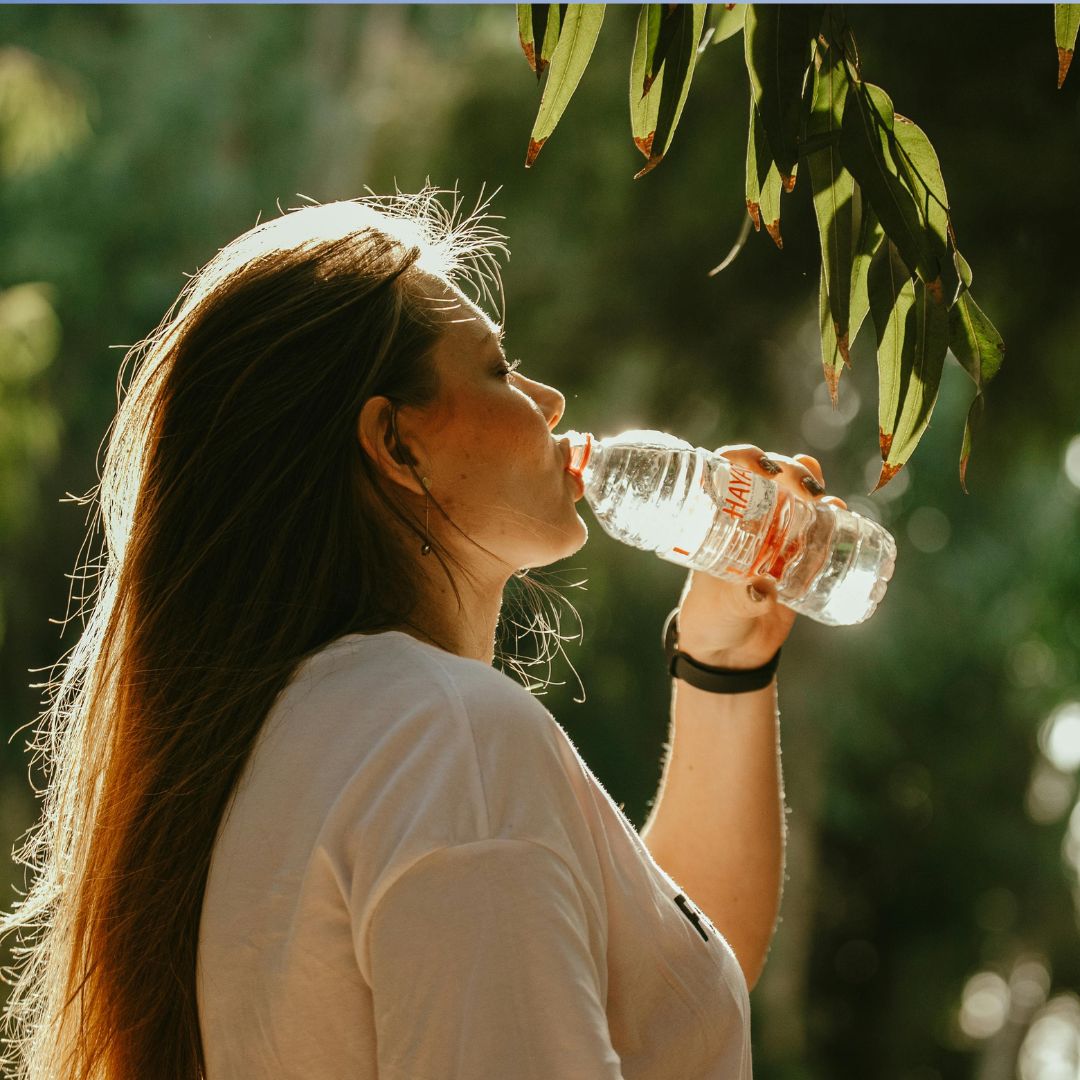
Summer Heat, PMS and PMOS
Why You May Feel More Tired, Puffy or Irritable on Holiday
Summer can be wonderful, but it can also be surprisingly hard on the body.
If you live with PCOS / PMOS, you may notice that hot weather or holidays leave you feeling more tired, puffy, bloated, irritable or emotionally sensitive than usual. You may sleep less well, crave more sugar, feel more swollen, struggle with exercise, or find that your PMS-type symptoms feel more intense.
This can be frustrating, especially when everyone else seems to be enjoying the sunshine with endless energy.
But there are good reasons why summer heat, travel and disrupted routines can affect how you feel. Hot weather changes fluid needs, it affects sleep quality, appetite, levels of movement and alcohol intake may changes, and all of this affects blood sugar patterns. For women with PMOS, who may already be more vulnerable to insulin resistance, inflammation, stress, and sleep disruption, those changes can feel more noticeable.
This does not mean you need a strict summer plan. It simply means your body may need a little more support when the weather is hot, your sleep is disrupted or your normal routine disappears.
Why Hot Weather Can Feel Harder with PMOS
Heat is a physiological stressor. Your body has to work harder to regulate temperature, circulate blood, produce sweat and keep fluid and electrolyte balance steady.
On a hot day, you may sweat more, sleep less deeply, drink less than you need, feel less hungry during the day, then become ravenous later. You may also be more likely to drink alcohol, eat later, move less during the hottest part of the day, or rely on quick snacks and iced coffees to keep going.
For someone with PMOS, this combination can affect energy, appetite, mood and digestion. If you are already prone to blood sugar dips, cravings or fatigue, then missing meals and relying on caffeine can make this worse. If you are prone to bloating or constipation, then dehydration and less movement can add to the problem. If your sleep is disrupted, you may feel more emotionally reactive and less resilient the next day.
Poor sleep is especially important. Research suggests that women with PCOS/PMOS may have higher rates of sleep disturbance, and circadian disruption may interact with insulin resistance, inflammation and hormonal regulation. In real life, this can look like waking unrefreshed, craving more sugar, feeling more anxious, struggling with motivation, or finding that PMS symptoms feel harder to manage.
Hot weather does not “cause” hormone imbalance on its own. But it can disrupt the foundations that help hormones, metabolism and mood feel steadier.
Fluid Retention, Bloating and Feeling Puffy
Many women notice that they feel more swollen or puffy in hot weather or after travelling, particularly flying.
This can happen for several reasons. Heat can cause blood vessels to widen, and fluid may shift more easily into the tissues, especially around the hands, feet, ankles or legs. Sitting for long periods on flights, trains or car journeys can also reduce circulation and contribute to swelling. Alcohol, salty restaurant meals, dehydration, constipation and menstrual cycle changes can all add to that heavy, uncomfortable feeling.
This is not about “toxins” or needing a detox. It is usually about fluid balance, circulation, digestion, hormones and inflammation.
For women with PMOS, bloating and puffiness can feel especially distressing because body image can already be difficult. You may feel as though your body has changed overnight. You may feel uncomfortable in summer clothes or swimwear. You may feel tempted to restrict food to “fix it”.
But restriction often makes things worse. Under-eating can destabilise blood sugar, increase cravings, worsen constipation and heighten stress. A more supportive approach is to focus on hydration, movement, regular meals and fibre you tolerate.
Simple strategies can help. Drink regularly, especially in hot weather. Include potassium-rich foods such as potatoes, avocado, tomatoes, spinach, yoghurt and bananas if they suit you. Move your legs during long journeys. Walk in the morning or evening when it is cooler. Avoid sitting still for very long periods. Include vegetables, fruit, oats, seeds or other fibre sources that you tolerate, rather than suddenly increasing fibre dramatically.
If constipation is part of the picture, hydration and movement are often essential. Fibre needs fluid to work properly. More fibre without enough fluid can sometimes make bloating worse.
PMS, Mood and Blood Sugar in the Heat
Summer holidays can bring joy, but they can also bring more emotional load than people realise.
There may be body image worries, photos, swimwear, group meals, alcohol, family dynamics, disrupted sleep and less time alone. Add hot weather and blood sugar swings, and it is not surprising that mood can feel more fragile.
For women with PMOS, this matters because mental health symptoms, including anxiety and low mood, are more common. Blood sugar instability can also affect mood and appetite. When meals are delayed, protein is low, sleep is poor and caffeine is high, you may feel more irritable, tearful, anxious or craving-driven.
PMS-type symptoms may also feel more noticeable in the heat. This is not because heat directly “creates” PMS, but because the same foundations that support premenstrual wellbeing can become disrupted: sleep, hydration, blood sugar balance, bowel regularity, movement and stress management.
If you know your luteal phase is more sensitive, the week or two before your period may not be the best time to push your body hard in the heat, skip meals, drink more alcohol and sleep badly. Your body may need more steadiness, not more pressure.
A supportive luteal-phase holiday approach might include protein at breakfast, regular meals, mineral-rich foods, gentle movement, magnesium-rich foods such as nuts, seeds, oats and dark chocolate if tolerated, and earlier nights when you need them. You may also feel better choosing cooling movement such as swimming, walking in the shade, yoga or morning strength training rather than intense midday exercise in the heat.
Gentle Summer Strategies for PMOS Support
The goal is not to create another set of rules. It is to identify the small habits that give you the biggest return.
Hydration is one of the most important. In hot weather, you may need more fluid than usual, especially if you are sweating, walking more, travelling or drinking alcohol. Water-rich foods such as cucumber, tomatoes, watermelon, berries, citrus fruits, courgettes and yoghurt can help. Mineral-rich foods such as potatoes, avocado, spinach, nuts, seeds and dairy or fortified alternatives can support electrolyte intake.
Protein at breakfast can also make a noticeable difference. A breakfast based only on coffee, toast, pastries or fruit may not support energy for long. Eggs, Greek yoghurt, smoked salmon, tofu, nuts, seeds or a protein smoothie can help create a steadier foundation for the day.
Movement can be adjusted rather than abandoned. If it is too hot for your usual workout, try walking earlier in the morning, swimming, stretching, gentle cycling or a short strength session indoors. Exercise does not need to be extreme to be useful. For PMOS, consistent movement can support insulin sensitivity, mood and metabolic health, but it should be adapted to your environment and energy.
Sleep may need protecting more than usual. Keep the room as cool as possible, limit alcohol if it disrupts your sleep, get morning daylight, and consider an earlier night after a late one. If you are travelling across time zones, daylight exposure, meal timing and movement can help your body adjust.
Digestion also needs attention. If hot weather makes you less hungry, try not to skip meals all day and then eat a large late dinner. Lighter meals can still be balanced. Think Greek yoghurt with berries and seeds, eggs with vegetables, tuna or salmon salad with potatoes, chicken with rice and vegetables, hummus with oatcakes, or tofu with noodles and salad.
Hot weather and holidays can disrupt the foundations that help PMOS symptoms feel more stable. Sleep, hydration, meal timing, blood sugar balance, movement, digestion and stress all matter.
The good news is that you do not need perfection. You need a few anchors.
Drink regularly. Eat enough. Start the day with protein. Move in a way that suits the temperature. Keep your bowels moving. Protect your sleep when you can. Avoid using restriction as a response to feeling puffy or uncomfortable.
If you regularly feel exhausted, swollen, anxious, craving-driven or hormonally “off” during summer or while travelling, it may be worth looking at the bigger picture. PMOS symptoms can be influenced by insulin resistance, inflammation, gut health, stress, sleep, nutrient status, thyroid function and other health factors. If you’d like to know more, why not get in touch?
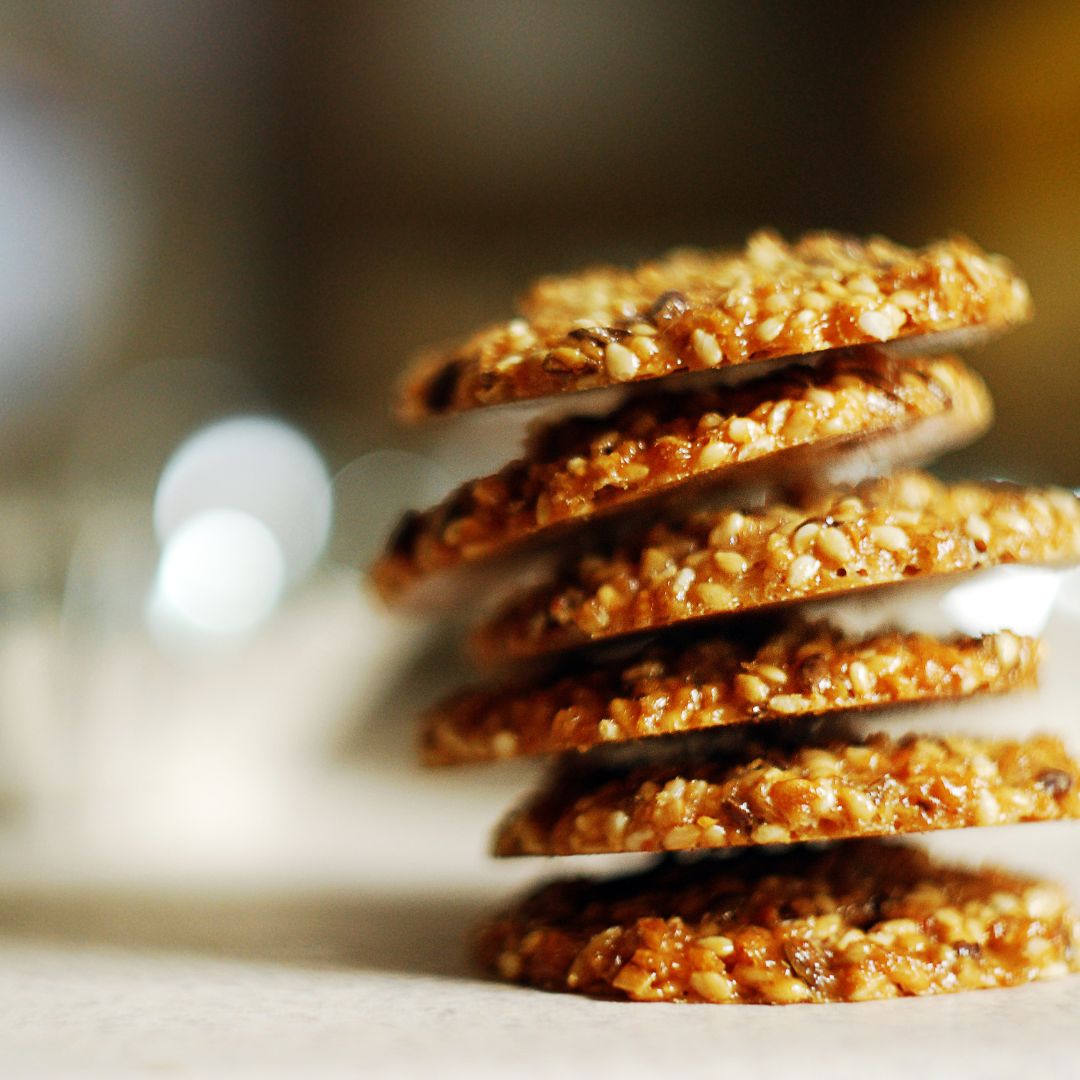
Portable PMOS-Friendly Snack: Savoury Seedy Oatcakes
Travel snacks can be tricky when you live with PMOS / PCOS.
Many of the easiest options are either very sweet, very beige, very low in protein, or not particularly satisfying. You might start the journey with good intentions, then find yourself relying on crisps, pastries, cereal bars, sweets or another round of coffee because there is very little else available.
There is nothing wrong with enjoying convenience foods sometimes. But if you are travelling, working long days, driving, flying or heading out for a summer day trip, having one or two reliable snacks with you can make a real difference to your energy, appetite, digestion and blood sugar balance.
These savoury oatcakes are designed to be portable, practical and satisfying. They combine oats, seeds, chickpea or buckwheat flour, herbs and olive oil to create a fibre-rich snack that pairs well with protein toppings such as cottage cheese, hummus, boiled eggs, smoked salmon, chicken, tuna, nut butter or Greek yoghurt.
They are not a replacement for meals, but they are a useful back-up option when you need something more substantial than a sweet snack bar.
Why Protein and Fibre Matter for PMOS While Travelling
When you are away from home, it is very easy for meals and snacks to become low in protein and fibre.
That might look like toast and jam for breakfast, a pastry at the station, crisps in the car, a muffin at the airport, or a sandwich with very little filling. These foods may be convenient, but they do not always keep you full for long. For women with PMOS, this can be especially relevant because PMOS is often linked with insulin resistance, cravings, fatigue and blood sugar fluctuations.
Protein helps meals and snacks feel more satisfying. It also supports muscle maintenance and many normal body functions. Fibre supports digestive regularity, stool consistency and the gut microbiome. Together, protein and fibre can help create a steadier, more satisfying snack, which may be useful if travel tends to disrupt your usual eating routine.
Oats are a particularly useful travel food because they are portable, versatile and contain beta-glucan, a type of soluble fibre. Seeds add extra fibre, minerals and healthy fats, while chickpea flour adds more protein and structure. If you are very sensitive to legumes, or if chickpea flour tends to make you bloated, you can use buckwheat flour instead.
As always, tolerance matters. A food can be nutritious and still not suit every gut. If you are prone to bloating, IBS-type symptoms or SIBO-type symptoms, start with a small portion and pair the oatcakes with foods you already know you tolerate.
This recipe makes approximately 14–16 oatcakes, depending on size and thickness.
Ingredients
150g rolled oats
60g chickpea flour or buckwheat flour
40g pumpkin seeds, roughly chopped
30g hemp seeds
20g ground flaxseed or chia seeds
20g nutritional yeast, optional but adds savoury flavour
1 teaspoon gluten-free baking powder
½ teaspoon sea salt
1 teaspoon dried rosemary, thyme or mixed herbs
½ teaspoon garlic granules, optional
½ teaspoon smoked paprika, optional
2 tablespoons extra virgin olive oil
120–150ml warm water
Optional: 1 tablespoon sesame seeds for the top
Method
Storage and Batch Cooking Tips
These oatcakes are ideal for batch cooking because they store well and are easy to pack.
Once completely cool, keep them in an airtight container for up to 5 days. If you want them to stay crisp, make sure they are fully cooled before storing. You can also freeze them for up to 3 months. Freeze in small portions, then defrost as needed.
For travel, pack them in a small container rather than a bag so they do not crumble in your handbag, rucksack or hand luggage.
You can also vary the flavour depending on what you enjoy. Rosemary and sea salt works well with cheese or hummus. Smoked paprika pairs nicely with avocado or chicken. Thyme and sesame seeds are lovely with cottage cheese or smoked salmon. If you prefer a plainer oatcake, leave out the stronger spices and keep the flavour simple.
If you have a sensitive gut, it is worth keeping the first batch simple. You may prefer buckwheat flour instead of chickpea flour, and you may wish to leave out garlic granules if garlic tends to trigger bloating.
Travel-Friendly Serving Ideas
The oatcakes are useful on their own, but they work best when paired with protein or healthy fats. This is especially helpful for PMOS because pairing carbohydrates with protein, fibre and fat can make snacks more satisfying and support steadier energy.
Try them with cottage cheese and cucumber, hummus and grated carrot, boiled eggs, smoked salmon and avocado, tuna with olive oil and lemon, chicken slices, nut butter, or a small pot of Greek yoghurt on the side.
For a road trip, pack oatcakes with a small pot of hummus, cheese, fruit and a bottle of water. For a flight, pair them with a protein option bought at the airport, such as boiled eggs, yoghurt, chicken salad or smoked salmon. For a hotel room snack, keep them with nut butter sachets, fruit or a small portion of nuts.
They can also be used as part of a light lunch. Add them to a plate with soup, salad, leftover frittata, roasted vegetables, tinned fish, avocado or a protein-rich dip.
If you are prone to blood sugar dips, try not to eat them completely on their own. They will usually be more satisfying when paired with protein or healthy fats.
Preparing Ahead Without Becoming Rigid
The point of a recipe like this is not to make travel food perfect.
It is to give you an easy option when your choices are limited. If you have something nourishing in your bag, you are less likely to become over-hungry, rely on coffee to push through, or grab the nearest ultra-processed snack simply because there is nothing else available.
That does not mean you need to pack all your food or avoid local meals. Holidays, weekends away and summer days out should still be enjoyable. But a little planning can give your body more stability, especially if travel tends to trigger bloating, cravings, fatigue, constipation or blood sugar dips.
Think of these oatcakes as a useful anchor. They are simple, portable and easy to pair with other foods. They support a food-first approach to PMOS travel nutrition without making things complicated.





For any conditions other than PMOS, please feel free to be in touch with our sister clinic Alex Allan Nutrion
PMOS Clinics is part of the Green Leaf Company (London) Ltd, a limited company registered in England and Wales. Registered number: 10990293
Disclaimer: ‘Please note that nutritional therapy is not medical advice - this should always be sought from your doctor or other medical provider. We aim to work alongside your doctor or GP to provide nutritional and lifestyle advice to support any underlying imbalances.'
Website by Phuse Media - Web Design Southend
