

Eating Out on Holiday with PMOS
How to Enjoy Food Without the Blood Sugar Rollercoaster
Eating out on holiday should feel enjoyable! But if you live with PCOS / PMOS, restaurant meals, hotel buffets and social eating can sometimes feel more complicated than they should. You may want to relax and enjoy yourself, but you may also worry about bloating, cravings, energy dips, feeling out of control around food, or undoing the progress you have made at home.
This can create an incredibly exhausting internal dialogue. Should I have the bread? Is pasta a bad idea? Will dessert make my cravings worse? Should I skip breakfast because dinner will be bigger? What if there is nothing I can eat?
If this sounds familiar to you, please rest assured you are not alone.
PMOS is closely linked with metabolic health, insulin resistance, appetite regulation, inflammation, mood and stress physiology. This means that when your holiday brings weird mealtimes, disrupted sleep, a bit more alcohol than usual, low protein intake, and loooong gaps between meals this can throw a wobbler for your symptoms. But that doesn’t mean you have to follow strict food rules on holiday – it’s about getting the mix right.
By understanding how to build meals that support blood sugar, digestion and energy, this should give you the flexibility to enjoy restaurants, local food and social occasions. Which is what a holiday should be!
Why Holiday Meals Can Feel Difficult with PMOS
Many women with PMOS feel better when meals are regular, balanced and protein-rich. Travel and holidays often disrupt exactly these foundations.
You may eat breakfast later than usual, drink more coffee, walk more than expected, have a lighter lunch, then eat a much larger dinner late in the evening. You may have more alcohol, fewer vegetables, more refined carbohydrates and a different sleep pattern. None of this is “wrong”, but it can make symptoms feel less stable.
For some women, this shows up as cravings. For others, it is bloating, reflux, fatigue, anxiety, low mood, poor sleep or waking up feeling puffy and sluggish.
This is not simply about willpower. When blood sugar becomes a rollercoaster, the body naturally looks for quick energy. If you have eaten very little protein during the day, or have relied mainly on coffee, pastries, crisps, bread or sweet snacks, it is understandable that your appetite may feel stronger by the evening.
This is why skipping meals to “save calories” before a restaurant dinner often backfires. You may arrive too hungry, eat more quickly, crave more sugar or alcohol, and then feel uncomfortable afterwards. A more supportive approach is to eat normally earlier in the day, especially including protein, then enjoy your meal from a calmer place.
The Plate Structure That Helps Without Feeling Restrictive
A helpful PMOS-friendly meal does not need to be low carb, joyless or complicated, I promise you.
A good starting point is to think about protein, fibre-rich carbs, healthy fats and colour. This structure helps meals feel more satisfying and can support steadier energy.
In a restaurant, this might look like fish with potatoes and veggies, chicken with rice and salad, eggs with sourdough and avocado, Greek yoghurt with berries and seeds, tofu with noodles and vegetables, or a bean-based dish with olive oil and a side salad if you tolerate legumes well.
The point is not to avoid carbs. Carbohydrates can absolutely fit within a PMOS-supportive diet. The issue is often how they are eaten. A large plate of refined carbohydrates on its own may affect you differently from the same carb eaten alongside protein, veggies and healthy fats.
For example, pasta with seafood, vegetables and olive oil may feel more stable than a plain bowl of pasta followed by dessert after skipping lunch. Pizza with salad and protein may feel better than pizza eaten very late after a day of coffee and snacks. Bread at the table may be fine when it is part of a balanced meal but may not feel so good if it becomes the whole meal.
This is where holiday food can become more flexible. You are asking, “How can I make this work better for my body?” rather than “Is this allowed?”
Buffets, Breakfasts and Restaurant Menus
Hotel breakfasts can be either very helpful or a blood sugar rollercoaster waiting to happen.
The classic holiday breakfast of pastries, toast, juice and coffee may taste lovely, but for many women with PMOS it does not keep energy steady for long. You may feel hungry again quickly, crave more sugar by mid-morning, or find that your mood and concentration dip.
A more supportive approach is to start with protein. Eggs, Greek yoghurt, smoked salmon, cheese, nuts, seeds, tofu, beans or a protein-rich smoothie can help create a steadier foundation. You can then add carbs you enjoy, such as oats, sourdough, fruit or potatoes, plus colour from vegetables or berries where available.
This does not mean avoiding the pastry. It may simply mean not making the pastry the whole breakfast. Having a croissant after eggs and fruit may affect you differently from having a croissant and coffee on an empty stomach.
At buffets, it can help to do a quick scan before filling your plate. Choose your protein first, then add plants, then add the carbohydrate you genuinely want. This tends to work better than starting with everything that looks tempting and ending up with a plate that is very heavy but not very satisfying.
Restaurant menus can be approached in the same way. Look for the protein anchor first. This might be fish, seafood, chicken, lean meat, eggs, tofu, beans, lentils or yoghurt-based dishes. Then think about what you can add for fibre and colour: vegetables, salad, fruit, herbs, legumes, wholegrains or potatoes.
If the menu is mostly pizza, pasta or bread-based dishes, that is not a disaster. Choose something you will enjoy and add what you can. A side salad, vegetables, seafood, chicken, cheese, yoghurt dip or olive oil can all help make the meal feel more balanced.
Alcohol, Desserts and Food Guilt on Holiday
Alcohol and desserts often bring up guilt for women with PMOS.
But guilt is not a useful health strategy, and we shouldn’t have to put up with it! Guilt tends to increase that all-or-nothing thinking, which can make food feel more chaotic and give us a case of the ‘sod its’.
Alcohol can affect sleep and blood sugar regulation. And for some of us it can worsen cravings the next day, especially if combined with a late night and poor sleep. Working out your pattern and what works for you is a great strategy.
So, for example, if you drink alcohol with food rather than on an empty stomach, you might feel a whole lot better and be able to enjoy the local cocktails. Think about alternating alcoholic drinks with water, or avoiding the very sugary mixers, if they don’t suit you. Think about choosing to have an earlier night when you feel a little run down. For some of us, keeping alcohol moderate is one of the biggest factors in maintaining better energy and mood on holiday.
Desserts can also fit - always. If you want dessert, have dessert! A helpful approach is to enjoy it after a balanced meal (ie plenty of protein, fibre and healthy fats) rather than using it to fill the gap left by under-eating all day. If you know very sweet foods can trigger cravings for you, sharing a dessert, choosing something with protein or fat such as yoghurt, nuts or cheese, or simply slowing down and eating it mindfully may help.
The key is to avoid the “I’ve blown it” mindset. One meal, one dessert or one cocktail does not undo your health. The body responds to patterns, not isolated moments.
Eating Out Without Losing Trust in Yourself
Many women with PMOS have spent years being given weight-focused, restrictive or oversimplified, terrible advice. This can make holiday eating feel incredibly emotionally loaded.
You may worry that if you relax, you’ll lose control. You may feel guilty for eating foods you enjoy. You may compare your choices to other people’s. You may feel anxious in photos, swimwear or group meals.
This matters because stress itself can affect digestion, appetite and blood sugar regulation. A supportive PMOS approach should not increase shame. It should help you feel more confident in your body and more capable of making choices that work for you.
What can be helpful is to choose a few flexible principles rather than rigid rules. You might decide that you will aim for protein at breakfast, water through the day, vegetables when they are available, and a walk after dinner when it feels enjoyable. That is enough. You do not need to track, compensate or make every meal perfect.
If a meal is less balanced, the next meal can simply bring you back to your foundations. No drama. No punishment. No starting again on Monday.
A Simple PMOS-Friendly Eating Out Strategy
Before you go away, think about the part of holiday eating that usually feels hardest.
If breakfast is your weak point, plan a protein-rich option. If you get over-hungry before dinner, pack a snack or eat a proper lunch. If alcohol affects your sleep and cravings, decide what moderation looks like for you. If buffets overwhelm you, start with protein and plants before adding extras. If desserts trigger guilt, practise enjoying them without turning them into a moral issue.
This is not about controlling your holiday. It is about reducing the blood sugar rollercoaster so that you feel more stable, more energised and more relaxed around food. And then you can really enjoy your time away!
PMOS nutrition should support your life, not shrink it.
If eating out, cravings, food guilt or blood sugar dips feel difficult to manage, there may be deeper foundations to look at, including insulin resistance, sleep, stress, gut health, appetite regulation and your relationship with food.
You do not have to work all of this out alone. Why not get in touch with us?

How Travel Can Impact Your PMOS Symptoms
Travelling can be exciting, restorative and much needed. But if you live with PCOS, now increasingly referred to as PMOS, you may also notice that your symptoms can feel harder to manage when you are away from home.
You might feel more bloated, more tired, more anxious around food choices, or more prone to cravings and blood sugar dips. Your sleep may become disrupted, your digestion may slow down, your usual movement routine may disappear, and meals may become less predictable.
This does not mean you have done anything wrong. Travel naturally changes the routines that often help the body feel more stable. For women with PCOS/PMOS, this can be particularly noticeable because the condition is closely linked with insulin resistance, inflammation, stress physiology, sleep disruption, gut health and appetite regulation.
The aim is not to control every meal or follow a perfect routine while you are away. Holidays and travel should still feel enjoyable! But understanding why symptoms can flare can help you plan in a way that feels supportive rather than restrictive.
Sleep, Stress and Circadian Rhythm Changes
Sleep is one of the first things to change when we travel. Early flights, late nights, different beds, unfamiliar environments, jet lag, alcohol, hotter rooms and disrupted meal timing can all affect sleep quality. Even short-term sleep disruption can influence appetite, energy, mood and blood sugar regulation.
This matters in PCOS/PMOS because many women are already more vulnerable to insulin resistance, energy dips, cravings and stress-related symptoms. Poor sleep can make the body less efficient at handling glucose, increase hunger hormones, reduce satiety signals and raise stress hormones such as cortisol. You may notice this as stronger cravings, feeling less satisfied after meals, waking tired, needing more caffeine, or feeling more emotionally reactive around food.
Circadian rhythm matters hugely when it comes to sleep. Your circadian rhythm is your internal body clock, which helps regulate sleep, digestion, temperature, hormone signalling and metabolic processes. Travel can disrupt this rhythm, especially when you cross time zones, eat meals much later than usual, or stay up later for several nights in a row. For women with PCOS/PMOS, this may be relevant because research suggests that circadian disruption and poorer sleep may interact with insulin resistance, inflammation and reproductive hormone regulation. This does not mean one late night will “ruin” your hormones. But it does help explain why several days of poor sleep, irregular meals and high stress can leave you feeling more symptomatic.
A supportive travel approach is not about being rigid. It may simply mean keeping a few anchors in place: getting morning daylight, eating a balanced breakfast when possible, avoiding too much caffeine late in the day, keeping alcohol moderate, and allowing one or two earlier nights if you start to feel depleted.
If you are travelling across time zones, morning light exposure, regular meal timing and gentle movement can all help your body adjust. If you are staying in the UK or Europe, the biggest issue may simply be later nights, less sleep and a more irregular rhythm. In that case, protecting your sleep on a few nights of the trip can make a real difference to how your energy, appetite and mood feel.
Gut Health and Digestive Disruption While Travelling
Digestive symptoms are very common when travelling. You may become constipated because you are sitting for longer, drinking less, eating less fibre, moving less, or ignoring the urge to go. Or you may experience looser stools, reflux or bloating because of richer food, alcohol, unfamiliar ingredients, stress, disrupted sleep or changes in routine.
For women with PCOS/PMOS, gut health is especially relevant. Research increasingly suggests that the gut microbiome may be involved in metabolic, inflammatory and hormonal pathways linked with PCOS. This is still an emerging area, and we should be careful not to overstate it, but it does support what many women experience clinically: when digestion is disrupted, symptoms such as fatigue, cravings, inflammation, skin changes and mood may also feel worse.
Travel often disrupts the foundations that support gut health. Meals may become lower in fibre and higher in refined carbohydrates. You may eat fewer vegetables, fewer plant foods and less fermented food. You may drink more alcohol, eat later, skip meals or graze through the day. Even if the food itself is enjoyable, the overall rhythm may be very different from what your gut is used to.
This can affect bowel habits, bloating and appetite. It may also affect blood sugar balance, because gut health and metabolic health are closely connected. Fibre-rich foods help support the gut microbiome and can also influence satiety and glucose response. When fibre drops and refined carbohydrates increase, many women notice more hunger, cravings and afternoon energy crashes.
However, it is important not to respond to this by becoming overly restrictive. The goal is not to avoid all holiday food. A more sustainable approach is to build in a few gut-supportive choices each day.
This might mean choosing cooked vegetables instead of relying only on bread and pastries, adding berries or seeds to breakfast, choosing oats when available, having a side salad or vegetables with dinner, or packing a few snacks you know your gut tolerates. It might also mean not suddenly increasing fibre dramatically on holiday, especially if you are prone to bloating or IBS symptoms. More fibre is not always better if your gut is sensitive and your routine is already disrupted.
For many women with PCOS/PMOS, the most helpful approach is consistency rather than perfection. A familiar breakfast, a daily walk, regular fluids and a few plant foods each day can help your digestion feel less overwhelmed by change.
Blood Sugar Balance on the Move
Blood sugar balance is one of the biggest reasons women with PCOS/PMOS can feel worse when travelling. Many women with PCOS/PMOS have some degree of insulin resistance, although this can vary from person to person. Insulin resistance means the body has to work harder to move glucose from the bloodstream into cells. This can contribute to energy dips, cravings, hunger, difficulty concentrating and feeling shaky or anxious if meals are delayed.
Travel days are often a perfect storm for blood sugar instability. You may skip breakfast because you are rushing. You may rely on coffee to get through the morning. You may have a pastry or cereal bar at the airport, then go several hours without a proper meal. By the time you do eat, you may be over-hungry, tired and more likely to choose something fast, sweet or very carb-heavy.
This is not a willpower issue. It is physiology.
When you under-eat early in the day, particularly if you miss protein, your appetite and cravings may intensify later. If you then combine that with poor sleep, stress, caffeine and disrupted routine, your body is more likely to look for quick energy.
A supportive travel strategy is to prioritise protein and fibre earlier in the day. This does not need to be complicated. At the airport, you might choose eggs, Greek yoghurt, smoked salmon, chicken, hummus, nuts, seeds or a more substantial sandwich with a decent filling. At a hotel breakfast, you might build your plate around eggs, yoghurt, fruit, oats, vegetables or smoked salmon rather than relying only on pastries, toast and juice.
If you are travelling by car or train, packing a few options can be very helpful. Oatcakes with cheese or nut butter, a protein bar with a simple ingredient list, Greek yoghurt, boiled eggs, nuts and fruit, hummus with crackers, or leftovers in a small container can all help reduce the likelihood of arriving somewhere exhausted and ravenous.
This does not mean you cannot enjoy holiday foods. It simply means that your body may cope better if you add some structure around them. For example, having ice cream after a balanced meal may feel very different from having it as lunch after a morning of coffee and no protein. Enjoying a pastry alongside yoghurt or eggs may feel more stable than having it alone with a sugary coffee.
For women with PCOS/PMOS, blood sugar balance is often less about restriction and more about pairing foods well. Protein, fibre-rich carbohydrates and healthy fats help meals feel more satisfying and can support steadier energy. This can also reduce the sense of anxiety or loss of control around food that many women experience when routines disappear.
Why Symptoms Can Feel Worse Emotionally Too
Travel can also bring up a lot emotionally. For some of us with PCOS/PMOS, holidays come with anxiety around clothes, body image, eating out, alcohol, photos, swimwear, group meals or feeling out of routine. If you have spent years being told to lose weight, cut carbs, avoid certain foods or control your body more strictly, travel can feel difficult.
It is worth saying clearly: you do not need to earn your holiday by dieting beforehand. You do not need to punish yourself afterwards. And you do not need to follow a perfect plan while you are away.
PMOS management should be supportive, not shame-based. A good travel routine should help you feel more stable, not make you feel anxious, restricted or guilty.
If food choices feel overwhelming, focus on one or two foundations rather than trying to control everything. For example, aim for protein at breakfast, water through the day, and a walk after dinner. That alone may be enough to support blood sugar, digestion and mood without turning your holiday into a set of rules.
How to Support Yourself Without Becoming Rigid
The most useful travel strategy is to decide which habits give you the biggest return.
For many women with PCOS/PMOS, this will be sleep, hydration, protein, meal timing and gentle movement. You do not need to do everything. You simply need enough consistency to stop your body feeling as though every foundation has disappeared at once.
Before you travel, think about your most likely trigger. Is it skipping breakfast? Eating late? Constipation? Alcohol? Anxiety around food? Cravings after poor sleep? Long gaps between meals? Once you know your pattern, you can plan around it.
If breakfast is your weak point, pack something or decide what you will choose at the airport or hotel. If constipation is common, prioritise fluids, movement and familiar fibre. If cravings become intense, avoid under-eating early in the day. If anxiety around food is the issue, decide on a few flexible principles rather than a list of strict rules.
This is about working with your body, not fighting it.
Travel will always involve some disruption. But with a few supportive anchors, you can reduce the likelihood of returning home feeling bloated, exhausted, inflamed and frustrated.
If you know that your PMOS symptoms flare when you travel, it may also be a sign that your everyday foundations need more support. Blood sugar instability, digestive symptoms, fatigue, cravings and stress sensitivity can all be influenced by nutrition, sleep, movement, gut health, inflammation and metabolic health.
You do not have to manage it all alone. Why not get in touch with us?

Autoimmune Conditions and PMOS/PMOS: What We Know
Many women with PMOS or PMOS feel as though their symptoms extend far beyond periods, ovulation and fertility alone. Fatigue, digestive symptoms, brain fog, joint aches, skin changes, anxiety, hair thinning and ongoing exhaustion are all commonly reported, yet many women are told that their blood tests are “normal” or that these symptoms are simply part of having hormonal issues.
Over the last few years, researchers have become increasingly interested in the relationship between PMOS/PMOS, inflammation and immune health. In particular, studies have explored whether women with PMOS may be more likely to experience certain autoimmune conditions, especially autoimmune thyroid disease.
This does not mean PMOS/PMOS is automatically an autoimmune disease. It is currently understood as a complex endocrine, metabolic and reproductive condition. However, the research does suggest that, for some women, there may be important connections between hormones, metabolism, inflammation and the immune system.
Is PMOS/PMOS an inflammatory condition?
PMOS/PMOS is now understood to involve far more than reproductive hormones alone.
Research consistently suggests that many women with PMOS have higher levels of chronic low-grade inflammation compared with women without the condition. This does not necessarily mean there is obvious inflammation that will always be picked up on standard blood tests. Instead, it refers to subtle, ongoing activation of inflammatory pathways within the body.
Several factors may contribute to this, including insulin resistance, oxidative stress, disrupted sleep, chronic stress, altered body composition, gut health disturbances and blood sugar dysregulation. This matters because the immune system does not operate separately from the rest of the body - it is constantly responding to signals from hormones, blood sugar, the gut microbiome, stress hormones and inflammatory messengers.
Over time, a more inflammatory internal environment may affect immune tolerance. Immune tolerance is the process that helps the immune system recognise what is “self” and what is “foreign”. When this becomes dysregulated, the immune system may become more likely to react inappropriately to the body’s own tissues. That does not mean inflammation alone causes autoimmune disease. Genetics, environment, infections, stress, gut health, hormones and other triggers may all play a role. However, this inflammatory and metabolic picture may help explain why autoimmune conditions appear more common in some women with PMOS/PMOS.
Thyroid autoimmunity and hormonal health
The strongest and most consistent autoimmune link in the research is between PMOS/PMOS and autoimmune thyroid disease, particularly Hashimoto’s thyroiditis. Hashimoto’s is an autoimmune condition where the immune system produces antibodies that target the thyroid gland. Over time, this can contribute to reduced thyroid hormone production in some people.
Several studies and reviews have found that autoimmune thyroiditis and thyroid antibodies are more common in women with PMOS compared with women without PMOS. One large 2025 study found higher anti-thyroid peroxidase antibody levels in women with PMOS, with anti-TPO antibodies positive in 12.89% of women with PMOS in that cohort.
Subclinical hypothyroidism also appears to be more common in PMOS. A 2025 systematic review and meta-analysis of 29 studies involving 5,765 women with PMOS found that around 19.7% had subclinical hypothyroidism. It also found that women with both PMOS and subclinical hypothyroidism had higher fasting insulin and HOMA-IR, a marker of insulin resistance.
This overlap is important because thyroid symptoms can look very similar to PMOS/PMOS symptoms. These may include fatigue, hair thinning, weight changes, low mood, brain fog, constipation, cold intolerance and irregular cycles. This is why it can be worth discussing thyroid testing with your GP if symptoms persist, especially where fatigue, hair loss, menstrual changes or unexplained changes in weight are present.
Other autoimmune conditions seen alongside PMOS/PMOS
Although thyroid autoimmunity has the strongest evidence base, newer research has started to look at other autoimmune and inflammatory conditions too.
A 2026 study looking at autoimmune diseases across different PMOS phenotypes found that organ-specific and systemic autoimmune disorders affected 22.6% of women with PMOS in their cohort. Autoimmune thyroiditis was the most common, affecting 20.3% of women. Non-thyroid autoimmune conditions were less common overall, but the most frequently reported were psoriasis, type 1 diabetes, alopecia areata and rheumatoid arthritis.
Psoriasis
Psoriasis is an immune-mediated inflammatory skin condition. In the 2026 PMOS cohort, psoriasis was the most common non-thyroid autoimmune condition reported, although still present in a small percentage of women.
This link is biologically plausible because both PMOS/PMOS and psoriasis are associated with inflammation, insulin resistance and metabolic risk factors. However, more research is needed before we can say whether PMOS directly increases psoriasis risk or whether shared inflammatory and metabolic pathways explain the overlap.
Type 1 diabetes
Type 1 diabetes is an autoimmune condition in which the immune system targets insulin-producing beta cells in the pancreas.
The 2026 study found type 1 diabetes among the more common non-thyroid autoimmune conditions in women with PMOS, although again at a low overall percentage. The authors suggested that autoimmune markers may be particularly relevant in women with PMOS who have dysglycaemia, because not all blood sugar problems in PMOS are necessarily driven by classic insulin resistance alone.
This is a useful reminder that personalised assessment matters. Two women may both have PMOS/PMOS and blood sugar issues, but the underlying drivers may not be identical.
Alopecia areata
Alopecia areata is an autoimmune condition that causes patchy hair loss. This is different from androgen-related scalp hair thinning, which can occur in PMOS/PMOS.
This distinction matters because hair loss in PMOS can have several possible drivers. Higher androgen levels may contribute to female pattern hair thinning, whilst thyroid dysfunction, iron deficiency, stress, autoimmune activity and nutrient insufficiencies may also play a role.
If hair loss is sudden, patchy, rapidly worsening or associated with other symptoms, it is important to seek medical advice rather than assuming it is “just PMOS”.
Why might autoimmune conditions be more common in PMOS/PMOS?
There is unlikely to be one single explanation. Instead, the overlap probably reflects several interacting mechanisms.
Insulin resistance is one key factor. Higher insulin levels can stimulate inflammatory pathways and oxidative stress. Inflammation can then affect hormone signalling, immune regulation and metabolic health.
Hormonal patterns may also matter. PMOS/PMOS is often associated with irregular ovulation, altered progesterone exposure and higher androgen levels. Oestrogen, progesterone and androgens all interact with the immune system, which may help explain why autoimmune diseases are generally more common in women and why symptoms can fluctuate across hormonal life stages.
Adipose tissue may also contribute. Body fat is not inert tissue. It produces inflammatory signalling molecules that can influence insulin sensitivity and immune activity. This does not mean weight is the whole story, as lean women with PMOS/PMOS may also experience inflammation and autoimmune conditions. However, metabolic health is an important part of the picture.
Gut health is another area of growing interest. The gut microbiome plays a central role in immune education, inflammation and metabolic signalling. Changes in microbial diversity, gut barrier function and short-chain fatty acid production have all been explored in relation to both PMOS/PMOS and autoimmune disease.
Again, this does not mean gut support can cure autoimmune disease. However, it may form one part of a broader strategy to support immune resilience, digestion, inflammation balance and overall wellbeing.
Gut health, immune function and lifestyle factors
Because a large proportion of the immune system is associated with the gut, supporting gut health can be a useful foundation for many women with PMOS/PMOS.
This does not need to mean extreme elimination diets, expensive testing or complicated protocols. In fact, highly restrictive approaches can sometimes create more stress, reduce dietary diversity and make symptoms harder to manage long term.
A more supportive approach may include:
A Mediterranean-style dietary pattern may be particularly useful because it naturally includes fibre, polyphenols, omega-3 fats, extra virgin olive oil, legumes, vegetables, herbs, spices and oily fish. This way of eating has been widely studied in relation to metabolic and inflammatory health. For women with PMOS/PMOS, this can be a more sustainable and nourishing approach than trying to cut out more and more foods.
When to speak to your GP
It is important not to self-diagnose autoimmune conditions based on symptoms alone, as many symptoms overlap with PMOS/PMOS, thyroid dysfunction, nutrient insufficiencies, stress and other health issues.
However, it may be worth speaking to your GP if you experience:
Depending on symptoms, your GP may consider blood tests such as thyroid function, thyroid antibodies, inflammatory markers, full blood count, ferritin, B12, folate, vitamin D or referral for further assessment.
The bigger picture
The research does not suggest that every woman with PMOS/PMOS will develop an autoimmune condition. It also does not mean that PMOS/PMOS should be treated as an autoimmune disease.
However, the evidence does suggest that immune and inflammatory pathways deserve more attention.
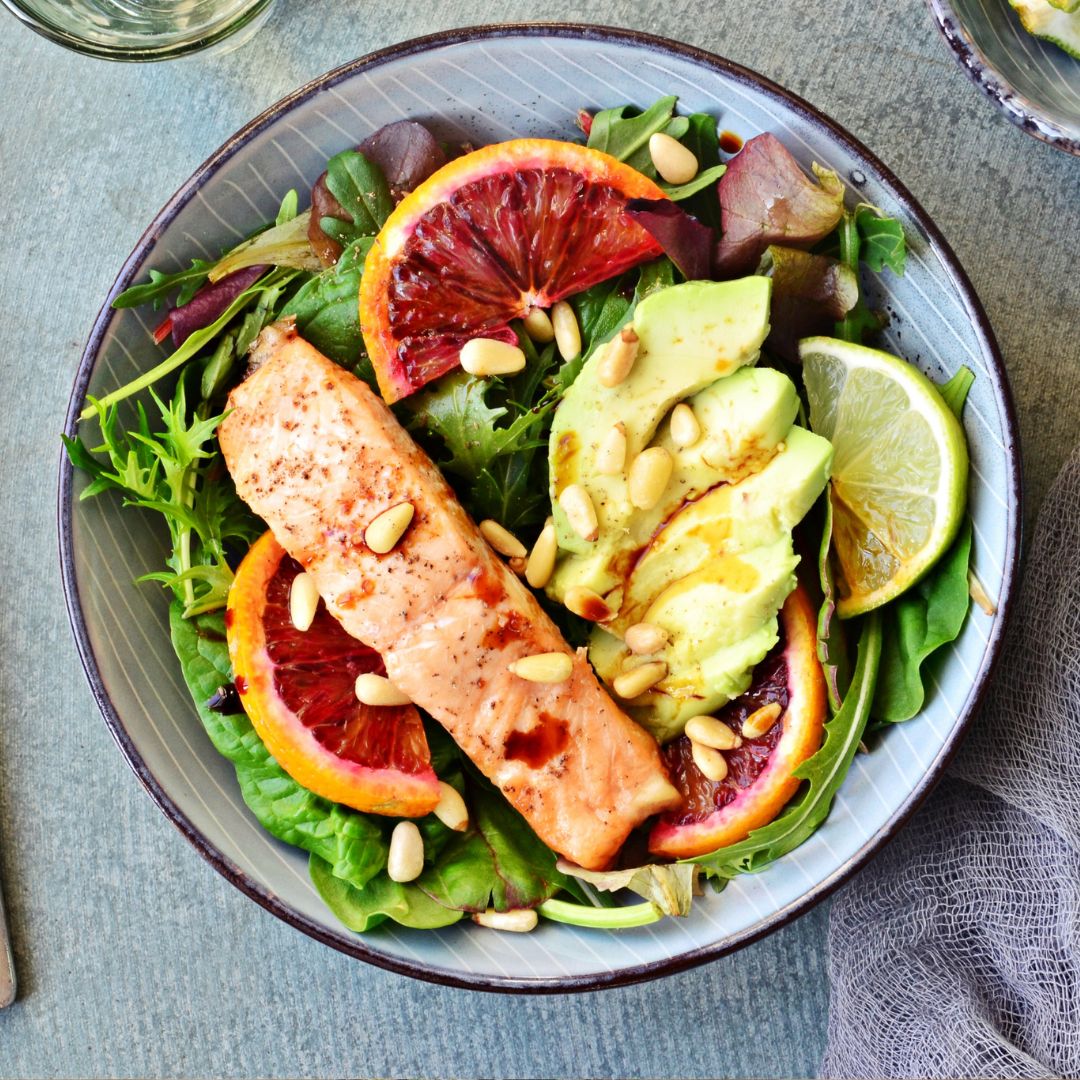
Hormone-Friendly Summer Salad with Avocado and Salmon
When the weather is warmer, we all naturally start craving lighter meals. The challenge is that salads can often leave you hungry an hour later, particularly if they are missing enough protein, fibre and healthy fats.
This summer salad is designed to be both fresh and satisfying, whilst also supporting blood sugar balance, energy and hormone health.
It combines protein-rich salmon with healthy fats from avocado, fibre-rich vegetables and polyphenol-rich herbs and leaves. It is also incredibly versatile and works well as a quick lunch or light dinner during busy summer weeks.
Why this salad supports hormone health
One of the key things I focus on with clients is building meals that help them feel fuller and more energised, rather than constantly grazing or relying on caffeine and sugar to get through the day.
This recipe contains several nutrients that may support hormone and metabolic health:
Protein Salmon provides high-quality protein which may help support blood sugar balance, muscle maintenance and appetite regulation.
Omega-3 fats Oily fish such as salmon is rich in omega-3 fatty acids, which are associated with cardiovascular, cognitive and inflammatory health. This can be particularly important for women with PMOS/PMOS and during perimenopause, where inflammation and metabolic health may become increasingly relevant.
Fibre The vegetables, leaves, seeds and avocado help increase fibre intake, which supports gut health, cholesterol balance and blood sugar regulation.
Magnesium and potassium Avocado, pumpkin seeds and leafy greens provide important minerals involved in stress regulation, muscle function and energy production.
Polyphenols Colourful vegetables, herbs and extra virgin olive oil contain polyphenols, plant compounds associated with gut and metabolic health.
Most importantly, this is a meal that feels realistic and enjoyable rather than restrictive.
Serves 2
Ingredients
Method
Easy ingredient swaps
This salad works well with lots of variations depending on what you have available.
You could try:

Thyroid and PMOS/PMOS: Understanding the Overlap
If you have PMOS/PMOS and constantly feel exhausted, cold, foggy headed or as though your body is working against you, it can be difficult to know what is actually driving your symptoms.
Many symptoms associated with thyroid dysfunction actually overlap with symptoms commonly seen in PMOS/PMOS. Fatigue, thinning hair, low mood, weight changes, irregular periods and difficulties with energy or concentration can occur in both conditions, which is one reason so many women feel confused or dismissed when trying to get answers.
Research over the last few years has also shown that thyroid conditions, particularly hypothyroidism and autoimmune thyroid conditions such as Hashimoto’s thyroiditis, appear to be more common in women with PMOS/PMOS compared with women without the condition.
This does not mean that everyone with PMOS/PMOS has a thyroid condition. However, it does highlight how interconnected our hormones, metabolism, immune system and nervous system really are.
Why can thyroid issues and PMOS/PMOS overlap?
Research has consistently shown that autoimmune thyroid conditions, particularly Hashimoto’s thyroiditis, are more common in women with PMOS/PMOS than in women without the condition. While we do not yet fully understand the relationship, several underlying mechanisms are thought to contribute.
One of the most important appears to be chronic low-grade inflammation. Women with PMOS/PMOS often have higher levels of inflammatory markers, alongside increased oxidative stress and altered immune signalling. Over time, this inflammatory environment may affect immune tolerance, meaning the immune system becomes more likely to mistakenly target healthy tissue, including the thyroid gland.
Insulin resistance may also play a role. Persistently elevated insulin levels can influence inflammatory pathways and immune activity, whilst excess adipose (fat) tissue itself can produce pro-inflammatory signalling molecules which further stimulate immune dysregulation.
Hormonal imbalances may contribute too. Oestrogen and progesterone both influence immune function, and disrupted ovulation in PMOS/PMOS can alter the balance of these hormones over time. Some researchers believe this may partly affect autoimmune susceptibility in genetically predisposed women.
Emerging evidence is also exploring the gut-thyroid connection. Increased intestinal permeability, changes in the gut microbiome and altered short-chain fatty acid production have all been observed in both PMOS/PMOS and autoimmune thyroid disease. Because around 70% of the immune system is associated with the gut, researchers are increasingly interested in how gut health may influence immune regulation and thyroid autoimmunity.
At the same time, blood sugar dysregulation, chronic stress, under-fuelling, poor sleep and restrictive dieting may all place additional strain on the body, potentially affecting hormonal signalling more broadly.
This is often why women feel that their symptoms cannot simply be explained by one hormone in isolation.
Fatigue, hair loss and irregular periods
One of the most common things I hear from women with PMOS/PMOS is: “I just don’t feel like myself anymore.”
Fatigue is incredibly common, but it is rarely caused by one thing alone.
Poor blood sugar balance, stress, inadequate sleep, low iron levels, inflammation, gut issues and thyroid dysfunction may all contribute to low energy and brain fog. In practice, it is often a combination of factors rather than a single root cause.
Hair thinning can also be complex. Higher androgen levels associated with PMOS/PMOS may contribute to scalp hair thinning in some women, whilst thyroid dysfunction may affect the hair growth cycle itself.
Similarly, both thyroid dysfunction and PMOS/PMOS may contribute to irregular or heavy menstrual cycles.
This is why taking a whole-body approach can be so important. Looking at hormones in isolation often misses the bigger picture.
The role of stress and inflammation
Many women with PMOS/PMOS have spent years battling symptoms, trying restrictive diets, over-exercising or feeling frustrated that their body does not seem to respond in the way they expect.
Over time, chronic stress can have a significant impact on sleep, blood sugar regulation, inflammation and overall wellbeing.
This is one reason I often focus on foundations such as blood sugar balance, adequate nourishment, sleep, stress management and gut health support, rather than chasing quick fixes or extreme protocols.
Nutrition and lifestyle factors that may support thyroid health
Nutrition cannot cure thyroid conditions, and it is important that persistent symptoms are properly investigated by your GP or endocrinologist. However, lifestyle factors may play an important supportive role in overall hormonal health and wellbeing.
Some of the most helpful foundations often include:
Certain nutrients including selenium, iodine, zinc, iron and vitamin D are also important for thyroid health. However, supplementation should always be individualised, particularly with iodine, as taking high doses is not always appropriate.
Most importantly, it is essential that women feel listened to.
Too many women with PMOS/PMOS normalise exhaustion, hair loss, anxiety or feeling “burnt out” because they have been told that these symptoms are simply part of having hormonal issues.
You deserve to understand what your body is trying to tell you.
If you are experiencing ongoing fatigue, changes in your cycle, hair thinning, digestive symptoms or persistent low mood, it may be worth having a conversation with your healthcare provider about whether further thyroid investigation is appropriate.
You can also read more about the relationship between hormones, inflammation and gut health in my recent blogs on the Gut–Hormone Axis and the Food–Mood Connection.
And don’t forget, you’re welcome to book a free call with us here at any time.

Midlife Hormones and PMOS
For many women, perimenopause can feel confusing enough on its own. When you add PMOS or PMOS into the mix, it can sometimes feel as though your hormones are becoming even more unpredictable.
You may notice changes in your cycle, worsening sleep, increased anxiety, more stubborn weight gain, fatigue, joint aches, digestive symptoms or feeling far less resilient to stress than you used to. Many women also tell me that the strategies that once “worked” for their body suddenly no longer seem effective.
This can feel incredibly frustrating, particularly for women who have often spent years trying to manage symptoms already.
The good news is that nutrition and lifestyle factors may still have a powerful impact during this stage of life. While we cannot stop hormonal changes from occurring, we can often support how resilient and supported the body feels through the transition.
Why perimenopause can feel more intense with PMOS/PMOS
Perimenopause is the stage leading up to menopause where hormone levels begin to fluctuate more significantly. Oestrogen and progesterone levels may rise and fall unpredictably, which can affect mood, sleep, appetite, energy and menstrual cycles.
For women with PMOS/PMOS, this transition can sometimes feel more complicated because many are already dealing with underlying insulin resistance, inflammation, disrupted ovulation or nervous system dysregulation.
Research suggests that insulin resistance may become more significant during midlife due to age-related changes in muscle mass, body composition and hormonal signalling. This may contribute to increased fatigue, cravings, blood sugar swings and changes in weight distribution around the abdomen.
Sleep disturbances may also worsen during perimenopause, and poor sleep itself can negatively affect blood sugar balance, appetite regulation and stress hormones.
Many women also find that they become less tolerant to restrictive dieting, skipping meals or over-exercising during this stage of life. The body often responds far better to nourishment, consistency and recovery than to extremes.
Interestingly, research suggests that menopause itself may look slightly different in women with PMOS/PMOS compared with women without the condition.
Some studies suggest that women with PMOS may experience menopause slightly later on average, potentially due to a larger remaining follicle pool across the lifespan. However, this does not necessarily mean symptoms are easier. Many women continue to experience metabolic and hormonal challenges well into midlife and beyond.
Although testosterone levels often decline with age, women with PMOS/PMOS may still have relatively higher androgen levels after menopause compared with women without the condition. Insulin resistance also frequently persists, even after periods stop, which means blood sugar regulation, cardiovascular health and body composition often remain important areas of support.
This is one reason why some women notice increasing abdominal weight gain, rising cholesterol levels, worsening sleep or changes in energy levels during perimenopause and menopause. The hormonal shifts of midlife may amplify underlying insulin resistance and inflammatory pathways that were already present to some degree.
Research also suggests that women with PMOS may have a higher long-term risk of conditions linked to metabolic health, including type 2 diabetes, fatty liver disease and cardiovascular disease. This does not mean these outcomes are inevitable, but it does highlight the importance of focusing on sustainable lifestyle foundations during midlife rather than approaching menopause as simply the end of reproductive symptoms.
At the same time, many women with PMOS/PMOS describe feeling relieved once cycles become less unpredictable and ovulation-related symptoms settle. For some, this stage can become an opportunity to shift away from years of restrictive approaches and towards a more supportive and sustainable relationship with food, movement and health.
Protein, fibre and blood sugar balance
One of the most helpful places to start during perimenopause is often blood sugar balance.
Fluctuating blood sugar levels may contribute to energy crashes, increased hunger, poor concentration, mood swings and cravings. For women with PMOS/PMOS, stabilising blood sugar may also help support insulin sensitivity and overall hormone regulation.
This is where protein becomes particularly important.
Many women are simply not eating enough protein earlier in the day, which can leave them feeling hungrier, more fatigued and more likely to rely on sugar or caffeine to get through the afternoon.
Including protein at meals may help support:
Foods such as eggs, Greek yoghurt, fish, lean meat, chicken, tofu, edamame beans, lentils and high-protein breakfasts can all be useful additions depending on individual preferences and tolerances.
Fibre is equally important. Research increasingly shows that fibre supports not only digestive health, but also blood sugar regulation, cholesterol balance and the gut microbiome. This becomes especially relevant during midlife, when cardiovascular and metabolic health become increasingly important considerations.
Most women would benefit from gradually increasing fibre intake through foods such as:
A Mediterranean-style approach to eating is consistently associated with better metabolic, cardiovascular and cognitive health outcomes, and may be particularly supportive during perimenopause.
Nutrients that matter most in midlife
Rather than focusing on trendy supplements or restrictive protocols, I often encourage women to focus on nutritional foundations first. Some nutrients that may become increasingly important during perimenopause include:
Protein Important for muscle mass, blood sugar balance, bone health and recovery.
Calcium and vitamin D Both play important roles in bone health, particularly as oestrogen levels decline.
Omega-3 fats May help support cardiovascular, cognitive and inflammatory health.
Magnesium Involved in hundreds of processes in the body including sleep, muscle function, stress regulation and blood sugar balance.
Iron Heavy or irregular periods during perimenopause may still contribute to low iron status in some women, which can affect energy and concentration.
Phytoestrogen-rich foods Foods such as ground flaxseeds, tofu, tempeh and edamame contain naturally occurring phytoestrogens which may be supportive for some women during perimenopause.
Importantly, more supplementation is not always better. Individual needs vary significantly, and personalised support is often most helpful.
Supporting your body rather than fighting it
One of the biggest mindset shifts I encourage during perimenopause is moving away from punishment-based approaches to health.
Many women with PMOS/PMOS have spent years believing they simply need more willpower, stricter diets or more intense exercise. In reality, midlife hormones often respond far better to consistency, nourishment, sleep, stress support and realistic habits.
This stage of life is not about perfection. It is about building a way of eating and living that supports energy, metabolic health, muscle mass, mood and long-term wellbeing.
You can read more about bone and muscle health in my recent blog on Bone Health and PMOS/PMOS, where I discuss strength training, vitamin D and healthy ageing in more detail.
And don't forget you can always book in a free call with us too.
Please note: Nutritional therapy does not diagnose or treat medical conditions. Always speak to your GP regarding persistent symptoms or concerns about menopause or hormonal health.





For any conditions other than PMOS, please feel free to be in touch with our sister clinic Alex Allan Nutrion
PMOS Clinics is part of the Green Leaf Company (London) Ltd, a limited company registered in England and Wales. Registered number: 10990293
Disclaimer: ‘Please note that nutritional therapy is not medical advice - this should always be sought from your doctor or other medical provider. We aim to work alongside your doctor or GP to provide nutritional and lifestyle advice to support any underlying imbalances.'
Website by Phuse Media - Web Design Southend
