
Everyday Nutrition Tips for Clearer Skin
When your skin is breaking out, it is easy to feel as though everything you eat is under suspicion.
Was it the chocolate? The cheese? The coffee? The meal out at the weekend? Should you remove dairy, gluten, sugar, carbohydrates or all of them at once?
Online advice can make acne feel like evidence that you have eaten badly. Yet acne is absolutely not caused by a lack of dietary discipline, and nutrition is just one part of a much larger picture involving hormones, genes, insulin signalling, inflammation, skincare, stress and the skin microbiome.
This is especially important in polycystic ovary syndrome (PCOS), now also known as polyendocrine metabolic ovarian syndrome or PMOS. Acne may be influenced by androgen activity and insulin resistance, but that does not mean that food alone can switch these processes on or off.
The evidence around nutrition and acne is still developing. NICE advises that there is currently insufficient evidence to recommend a specific therapeutic diet for acne. Research suggests that some broad dietary patterns may support metabolic and skin health, particularly when they improve blood sugar regulation and provide adequate protein, essential fats, fibre, minerals and plant nutrients.
The aim is not to create a flawless “clear-skin diet”. It is to build everyday meals that support the environment in which your skin is trying to function.
Why Blood Sugar Balance Matters for Skin
Blood sugar may not seem immediately connected to the pores on your face, but the two can be linked through insulin and insulin-like growth factor 1, usually shortened to IGF-1.
When we eat carbohydrates, they are broken down into glucose, which enters the bloodstream. The pancreas then releases insulin to help move that glucose into cells, where it can be used or stored. This is a normal and essential process. The problem is not carbohydrates themselves. However, meals and snacks dominated by rapidly absorbed carbohydrates may produce a faster rise in blood glucose and require a larger insulin response, particularly when they contain little protein, fibre or fat.
In PMOS, cells may already be less responsive to insulin. The body can compensate by producing more of it, even before blood glucose or HbA1c moves outside the normal laboratory range. Higher insulin levels can stimulate ovarian androgen production and reduce the liver’s production of sex hormone-binding globulin. This may leave more biologically available testosterone able to act on tissues such as the skin. Insulin and IGF-1 can also influence sebaceous-gland activity, skin-cell growth and the processes that contribute to blocked follicles.
Several small trials have found that lower-glycaemic-load diets may reduce acne lesion counts or alter acne-related hormonal signals. A systematic review concluded that high glycaemic index and glycaemic load diets may have an acne-promoting effect, although the studies were relatively small and did not specifically focus on women with PMOS.
This does not mean adopting a very low-carbohydrate diet or removing fruit, potatoes, oats and wholegrains entirely. It means changing the way carbohydrates appear within the meal.
Begin with a useful question: What can I add to make this meal more balanced?
For example:
For many women with PMOS, three satisfying meals containing around 25 to 30 grams of protein can also reduce the need to graze throughout the day. This is not a rigid rule, and individual needs vary, but protein can make meals more filling and slow the overall digestion of the meal.
Rather than judging your skin after one meal, look at patterns over several weeks. Skin changes slowly, and acne naturally fluctuates with the menstrual cycle, stress, sleep, skincare and treatment. A single breakout the morning after eating something does not prove that the food caused it.
Nutrients That Support Skin Health
Skin is constantly renewing itself. It needs amino acids to build proteins, fats to maintain cell membranes and the skin barrier, and vitamins and minerals to support antioxidant defence, wound healing and normal immune function.
This does not make every nutrient a treatment for acne. It does mean that repeatedly under-eating, skipping meals or following a highly restricted diet may leave the skin without the full range of materials it needs.
Make protein a foundation
Protein supplies amino acids needed for the formation and repair of skin tissue. It also helps balance meals and may support steadier blood glucose.
Useful sources include fish, poultry, eggs, Greek or natural yoghurt, cottage cheese, tofu, tempeh, beans, lentils, edamame, lean meat, seafood and good-quality protein powders.
You do not need to eat an enormous chicken breast at every meal. Protein can be spread across the day and combined from several sources. A bowl containing lentils, quinoa and seeds, for example, may provide protein from more than one ingredient.
One acne-related consideration is whey protein. Case reports and observational evidence have linked whey-based sports supplements with acne in some susceptible people, although good-quality controlled research is limited. If acne began or noticeably worsened after introducing a whey protein shake, it may be worth discussing an alternative with a nutritional professional rather than removing all dairy automatically.
Include omega-3 fats regularly
Omega-3 fats are incorporated into cell membranes and help regulate the production of inflammatory signalling molecules. The most directly usable forms, EPA and DHA, are found predominantly in oily fish.
Good sources include salmon, sardines, mackerel, trout, herring and anchovies. Plant foods such as flaxseed, chia seeds and walnuts provide alpha-linolenic acid, or ALA, although only a limited proportion is converted into EPA and DHA.
A 2024 study followed 60 people with mild-to-moderate acne who were encouraged to follow a Mediterranean-style diet and were given omega-3 supplements. Acne severity improved over 16 weeks, particularly among those who reached the study’s target omega-3 status. However, the study was small, had no separate placebo group and combined dietary changes with supplementation, so it cannot prove that omega-3 alone caused the improvement.
A sensible food-first target is to include oily fish two or three times per week where appropriate. People who do not eat fish may obtain omega-3 from algae-based products, but supplements should be considered individually, particularly when taking medication or during pregnancy.
Eat the rainbow, but not because it “detoxes” your skin
Colourful plant foods supply vitamin C, carotenoids and polyphenols, which participate in antioxidant and inflammatory-regulation systems.
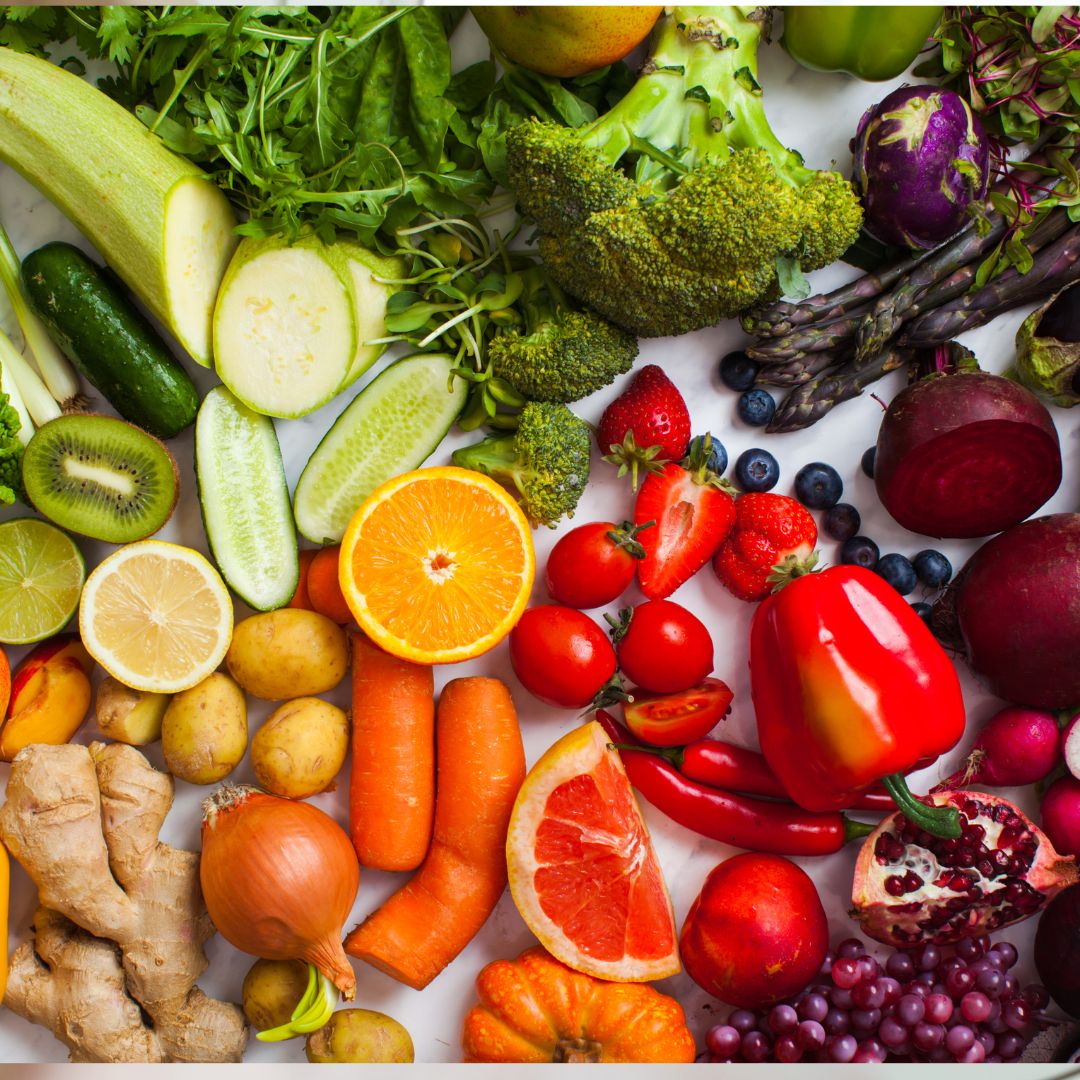
Vitamin C is also required for collagen formation and wound healing. Sources include peppers, berries, kiwi fruit, citrus fruit, broccoli, tomatoes, cabbage and leafy greens.
Rather than searching for the single best fruit for acne, aim for variety. Frozen berries, tinned tomatoes, frozen spinach and pre-chopped vegetables still count. A realistic colourful diet is more useful than an expensive fridge full of produce that goes uneaten.
Try to include two or three different plant colours at a main meal. This might look like berries and seeds at breakfast, tomatoes and rocket at lunch, or broccoli, red pepper and herbs with dinner.
Think food first for zinc
Zinc contributes to normal immune function, wound healing, cell division and antioxidant protection. Some studies have found lower average zinc concentrations in people with acne, while a meta-analysis reported that oral zinc may reduce inflammatory papules. However, the trials varied considerably in dose, zinc form and quality.
Food sources include oysters and other shellfish, meat, poultry, cheese, eggs, pumpkin seeds, beans, lentils, tofu and wholegrains.
This is one area where “more” is not necessarily better. High-dose zinc supplements can cause nausea and interfere with copper absorption. Supplementation should therefore be based on individual need rather than added automatically to a generic skin programme.
Foods That Help Support the Gut–Skin Connection
The gut and skin are separate organs, each with its own microbial community, barrier and immune system. However, both communicate with the immune and metabolic systems, leading researchers to explore what has become known as the gut–skin axis.
An evidence-informed approach is to feed the gut microbiome through ordinary foods. Dietary fibre reaches the large intestine, where certain bacteria can ferment it and produce short-chain fatty acids. These compounds help support the intestinal lining and interact with immune and metabolic pathways.
Useful fibre-rich foods include:
Variety matters because different microbes use different carbohydrates and plant compounds. Instead of suddenly eating enormous amounts of fibre, increase it gradually and drink enough fluid, especially if you are prone to bloating or constipation.
Fermented foods can add further microbial and dietary variety. Examples include live yoghurt, kefir, sauerkraut, kimchi, miso and traditionally fermented vegetables. They are not compulsory, and they may not suit everyone, particularly during a digestive flare or where histamine-containing foods are poorly tolerated.
Dairy
It is also worth being cautious about blaming dairy as a whole food group.
Observational studies have found associations between milk intake, particularly skimmed milk, and acne. However, these studies cannot establish that milk directly caused the acne, and findings for yoghurt and cheese are less consistent. Removing dairy unnecessarily may reduce calcium, iodine and protein intake, especially in women who already have a limited diet.
If you strongly suspect a relationship, keep a symptom record and seek guidance before making a long-term exclusion. Where dairy is removed, use nutritionally appropriate alternatives rather than simply replacing yoghurt with a low-protein coconut product.
Ultimately, the most useful nutrition pattern for skin health is unlikely to be dramatic. It will usually look like regular balanced meals, plenty of varied plants, sufficient protein, beneficial fats, fibre-rich carbohydrates and fewer meals dominated by highly refined carbohydrates.
Acne may still require medical skincare or prescription treatment. Nutrition is best viewed as supportive care rather than a replacement for your GP, pharmacist or dermatologist.
And if you’d like to investigate how nutrition and lifestyle changes may be able to help with your acne, why not book a free call?
This article is for educational purposes and does not provide medical diagnosis or treatment. Nutritional therapy works alongside medical and dermatological care. Please speak to your GP or dermatologist about painful, persistent, rapidly worsening or scarring acne, significant pigmentation, sudden androgen-related symptoms, or acne that is affecting your mental wellbeing.







For any conditions other than PMOS, please feel free to be in touch with our sister clinic Alex Allan Nutrion
PMOS Clinics is part of the Green Leaf Company (London) Ltd, a limited company registered in England and Wales. Registered number: 10990293
Disclaimer: ‘Please note that nutritional therapy is not medical advice - this should always be sought from your doctor or other medical provider. We aim to work alongside your doctor or GP to provide nutritional and lifestyle advice to support any underlying imbalances.'
Website by Phuse Media - Web Design Southend
